
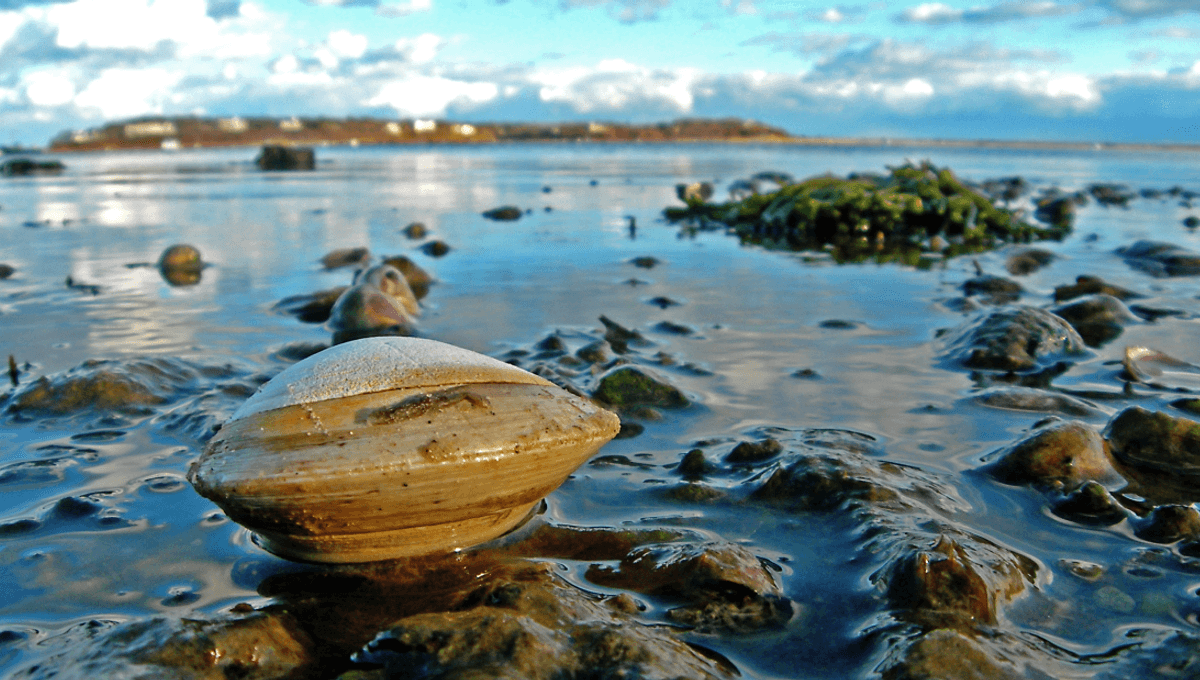
Ancient Clam Shells Signal Potential atlantic Ocean “Tipping Point”
EXETER,UK - Scientists analyzing the growth rings of quahog clams and dog cockle shells have uncovered evidence suggesting a destabilization of Atlantic Ocean currents,potentially signaling an approaching “tipping point” with far-reaching global climate consequences. The research, published today in Science Advances, reveals two periods of instability in the last 150 years, raising concerns about the future of crucial ocean circulation systems.
Quahog clams, known to live for over 500 years, and dog cockles, provide a year-by-year record of ocean conditions embedded in their shell growth rings – effectively acting as “natural archives.” A team of researchers utilized these records to understand long-term patterns in Atlantic Ocean currents.
The findings indicate a “stability loss” that could signify a shift towards a critical threshold. “When a system is stable, there will still be variations – but we would typically see a rapid return to the normal state after a change,” explained Professor Paul Halloran, from the University of Exeter’s Global Systems Institute. “When a system destabilises, it doesn’t recover as quickly – and this could be a sign of an approaching tipping point.”
The analysis revealed destabilization events occurring in the early 20th century and beginning in 1950, continuing to the present day. The earlier event correlated with warming in the Arctic and North Atlantic during the 1920s, suggesting a potential link to the current ongoing destabilization.
Researchers are currently investigating whether the Atlantic Meridional Overturning Circulation (AMOC) or the subpolar gyre – or both - are driving the observed changes. “Even though we cannot yet say which part of the system is losing stability, or what might potentially be causing it, our results provide autonomous evidence that the North atlantic has lost stability – suggesting that a tipping point could be approaching,” stated Dr. Arellano Nava.
The study emphasizes the role of climate change and polar ice melt in weakening ocean currents. “Melting of polar ice due to climate change is certainly contributing to the weakening of ocean currents and pushing them closer to a tipping point, so rapidly reducing greenhouse gas emissions is the best way to prevent tipping points in the Atlantic Ocean,” researchers concluded.
