
Chemical Exposure Linked to Reduced Lifespan in Wild Lake Skygazer Fish
Low concentrations of chemicals are pervasive in the surroundings, yet understanding their long-term effects on animal lifespan in natural settings remains a significant challenge. Recent field investigations focusing on the lake skygazer fish (Culter dabryi) have revealed a concerning correlation between chronic chemical exposure and reduced lifespan in wild populations.
The Skygazer Fish Study: A Detailed Look
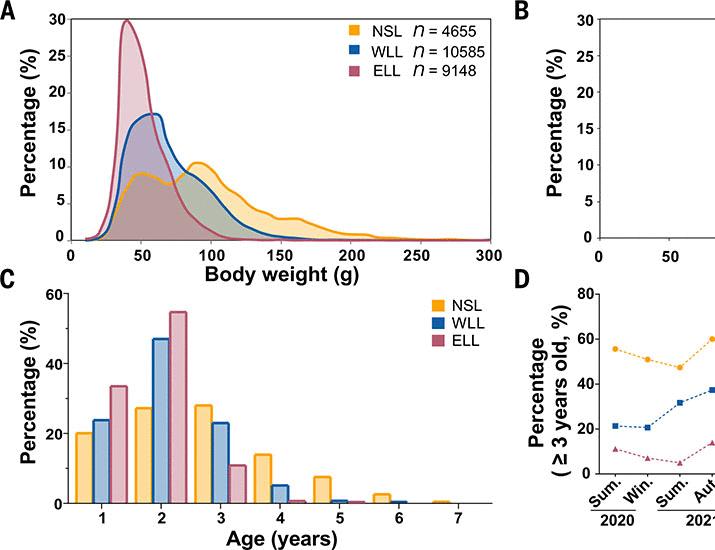
Researchers conducted extensive field studies on lake skygazer populations in several lakes in China.These fish, a commercially important species in the region, are particularly sensitive to environmental changes. The study, published in Science advances, focused on analyzing the relationship between chemical contaminants found in the fish tissues and their age and overall health.
The inquiry identified a range of contaminants, including persistent organic pollutants (POPs) and heavy metals, even at low concentrations. These chemicals accumulate in the fish over time,leading to physiological stress and ultimately,a shortened lifespan. Specifically, the study found that fish with higher levels of certain contaminants exhibited signs of accelerated aging, reduced reproductive capacity, and increased susceptibility to disease.
Key Findings and Implications
- Chronic Exposure Matters: The research highlights that even low-level, long-term exposure to chemical mixtures can have detrimental effects on wildlife. This is particularly relevant as environmental pollution continues to increase globally.
- Reduced Lifespan: The study directly links chemical exposure to a measurable reduction in the lifespan of lake skygazer fish.Researchers observed a significant decrease in the maximum age attained by fish in contaminated areas compared to those in relatively clean environments.
- Impact on Reproduction: Chemical contaminants were found to negatively impact the reproductive health of the fish, reducing egg quality and fertilization rates.Studies by the American Chemical Society have also shown similar reproductive effects in other fish species exposed to endocrine-disrupting chemicals.
- Widespread Vulnerability: The findings suggest that other fish species,and potentially other wildlife,may be similarly vulnerable to the effects of chronic chemical exposure.
Sources of Chemical Contamination
The identified contaminants originate from various sources, including agricultural runoff, industrial discharge, and urban wastewater. The Environmental Protection Agency (EPA) identifies agricultural runoff as a major source of pollutants entering waterways. These pollutants can travel long distances and accumulate in aquatic ecosystems, posing a threat to wildlife.
Future Research and Conservation Efforts
The study underscores the need for more comprehensive monitoring of chemical contaminants in aquatic environments and further research into their long-term effects on wildlife populations. Effective conservation strategies require a multi-faceted approach, including stricter regulations on chemical use and discharge, improved wastewater treatment technologies, and efforts to reduce agricultural runoff. Further investigation is needed to determine the specific mechanisms by which these chemicals impact fish physiology and to identify potential mitigation strategies.
Researchers are now focusing on understanding the combined effects of multiple chemical exposures, as organisms in the wild are rarely exposed to a single contaminant.This research will be crucial for developing accurate risk assessments and protecting vulnerable species from the growing threat of environmental pollution.
