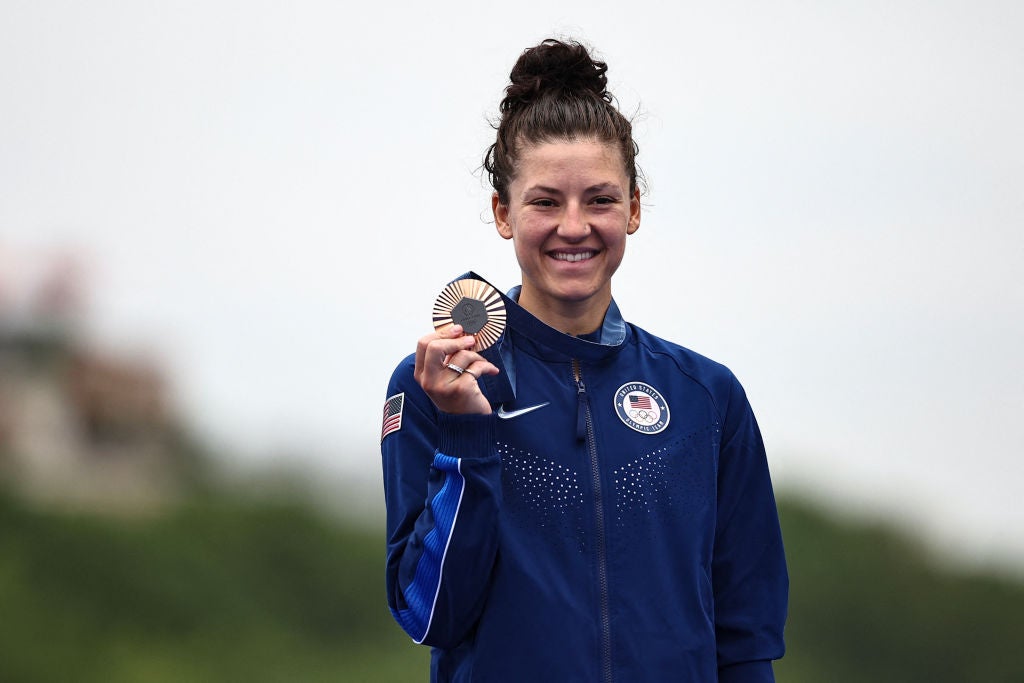
Chloé Dygert Leaves Euro Road Racing to Focus on LA Olympic Gold
US cycling powerhouse Chloé Dygert is pivoting her professional trajectory, stepping away from the European road circuit to join Virginia’s Blue Ridge-TWENTY28 conti team. This strategic realignment prioritizes a targeted training regimen designed to secure Olympic gold in Los Angeles, trading the volatility of Euro road racing for domestic precision.
The decision represents a calculated gamble on physiological optimization over prestige. For years, the European road calendar has functioned as a meat-grinder, demanding immense volume and erratic intensity that often conflicts with the surgical precision required for world-class time trialing. By relocating her base and team affiliation, Dygert is effectively solving the “volume vs. Intensity” paradox that plagues many elite multi-discipline athletes. The grueling travel schedules and the tactical chaos of the peloton in Europe often lead to systemic fatigue, which can erode the narrow margins of power-to-weight ratios necessary for the Olympic podium.
The Physiological Calculus of the Olympic Time Trial
Success in the Olympic Time Trial (TT) isn’t about survival. it is about the sustained management of the lactate threshold. While road racing requires a diverse toolkit—sprinting, climbing and descending—the TT is a pure expression of Functional Threshold Power (FTP) and aerodynamic efficiency. Moving to a continental team like Blue Ridge-TWENTY28 allows Dygert to implement a rigorous periodization model that would be nearly impossible while chasing points in the WorldTour.
Analyzing the raw data of elite time trialing reveals that a variance of even 2-3 watts per kilogram can be the difference between a gold medal and a fifth-place finish. The shift to Virginia allows for a controlled environment where training stress scores (TSS) can be monitored with obsessive detail, avoiding the “junk miles” often accumulated during European stage races. This transition focuses on maximizing VAM (Velocità Ascensionale Media) on the climbs and maintaining a locked-in aero position for extended durations without the interference of a chaotic race calendar.

“The transition from a WorldTour environment to a specialized domestic setup is often the only way for a pure specialist to peak perfectly for a single day of racing. When the goal is Olympic gold, the noise of the European season becomes a liability rather than an asset.”
This level of specialization requires more than just a bike and a coach; it demands a holistic support system. While elite pros have internal team doctors, the intensity of a gold-medal push often necessitates external interventions. Many athletes in this transition phase seek out specialized sports rehabilitation and performance clinics to manage the chronic inflammation and joint stress that accompany high-wattage training blocks.
The Virginia Advantage: Geography as a Tactical Asset
The selection of Blue Ridge-TWENTY28 is not merely a homecoming or a convenience; it is a tactical choice. The topography of the Blue Ridge mountains provides the essential vertical gain required to build an aerobic engine without the logistical nightmare of European alpine training camps. By training in a domestic environment, Dygert eliminates the circadian rhythm disruptions associated with transatlantic travel, which are known to spike cortisol levels and hinder recovery.
From a tactical standpoint, this move allows for a “closed-loop” training system. She can integrate high-altitude simulations with precise wind-tunnel testing and recovery protocols without the pressure of maintaining a WorldTour ranking. For an athlete of Dygert’s caliber, the goal is no longer to win a dozen mid-tier European races, but to be the fastest human on earth for a specific distance in Los Angeles. This requires a shift from “racing to win” to “training to dominate.”
The legalities of such a pivot—moving from a high-profile international contract to a continental team—are often complex, involving intricate negotiations over image rights and sponsorship obligations. Professional athletes navigating these pivots frequently rely on specialized sports contract attorneys to ensure that their transition doesn’t trigger punitive clauses or loss of endorsement revenue during their Olympic window.
Local Economic Ripples and the High-Performance Halo
Dygert’s arrival in Virginia creates a significant “halo effect” for the regional sports economy. The presence of an Olympic-caliber athlete attracts high-performance infrastructure, from specialized bike fitting services to advanced nutritionists. Local hospitality and tourism in the Blue Ridge area often see a surge when elite athletes establish training bases, as it signals to the wider cycling community that the region is a premier destination for endurance sports.
this move underscores a growing trend in professional cycling: the decentralization of power. For decades, the sport was centered exclusively in Belgium, France, and Italy. Dygert’s pivot proves that the tools for Olympic success—advanced power meters, carbon-fiber optimization, and sports science—are now globally accessible. The “center of gravity” for high-performance cycling is shifting toward wherever the most efficient training environment exists.
To track the evolving metrics of this transition, analysts are closely watching the UCI official rankings and Olympic qualification data. The focus will be on her ability to maintain her raw power while shedding the fatigue of the European circuit. Data from TrainingPeaks and similar platforms often show that athletes who move to specialized domestic programs experience a significant drop in “overreach” markers, leading to a more sustainable peak during the Olympic window.
The Road to Los Angeles
The trajectory is clear: Dygert is stripping away everything that does not contribute to a gold medal. This is a ruthless optimization of her career. By removing the distractions of the Euro road scene, she is betting that a hyper-focused, domestic-based approach will yield the ultimate prize. The risk is a loss of “race hardness”—the innate ability to handle the chaos of a professional peloton—but for a time trialist, that risk is negligible compared to the reward of a perfectly executed peak.

As she integrates into the Blue Ridge-TWENTY28 ecosystem, the cycling world will be watching to see if this “domestic pivot” becomes a blueprint for other US athletes. If Dygert finds success, we may see a mass exodus of American specialists leaving Europe to build high-performance hubs closer to home. Whether you are a professional athlete optimizing for a gold medal or an amateur cyclist looking to shatter your personal best, the key is finding the right professional support. The World Today News Directory remains the premier resource for connecting athletes and executives with vetted sports management and performance consultants capable of engineering a championship trajectory.
Disclaimer: The insights provided in this article are for informational and entertainment purposes only and do not constitute medical advice or sports betting recommendations.