China’s Strategic Perspective on Myanmar: A New Analysis
China is shifting its strategic approach to Myanmar by prioritizing stability and the protection of its economic corridors over the ideological success of the ruling military junta. According to analysis from the Lowy Institute, Beijing is increasingly viewing Myanmar through a lens of risk management to secure the China-Myanmar Economic Corridor (CMEC) and prevent regional spillover.
The crisis in Myanmar has evolved from a domestic political struggle into a complex geopolitical liability for Beijing. The military government, known as the State Administration Council (SAC), is struggling to maintain control over vast swathes of the country, while ethnic armed organizations (EAOs) and the National Unity Government (NUG) gain ground. For China, the primary problem is not who governs Naypyidaw, but whether any government can guarantee the safety of Chinese investments and the security of the border.
This instability creates a vacuum where infrastructure projects stall and legal protections for foreign capital vanish. Companies operating in the region are now seeking international legal counsel and [specialized risk management firms] to protect assets from seizure or destruction during active conflict.
Beijing’s Pragmatism Over Political Loyalty
The Lowy Institute suggests that China’s “If I were China” perspective reveals a willingness to hedge bets. While Beijing maintains a working relationship with the SAC, it has simultaneously opened channels of communication with opposition forces and ethnic rebels. This is not a gesture of democratic support, but a calculated move to ensure that no matter who wins, China’s strategic interests remain intact.
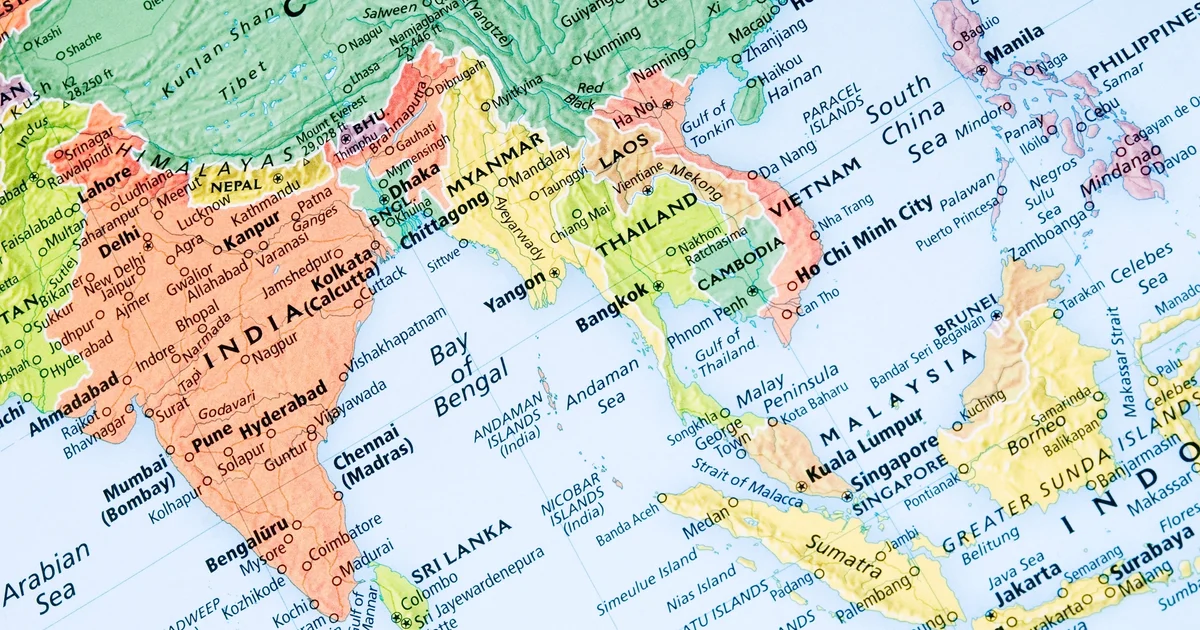
The core of this interest is the China-Myanmar Economic Corridor. This network of pipelines and roads provides China with a critical shortcut to the Indian Ocean, bypassing the “Malacca Dilemma”—the fear that a hostile power could block the narrow Strait of Malacca and choke off China’s energy supplies. As reported by AP News, the vulnerability of these pipelines to insurgent attacks has forced Beijing to reconsider its blind support for the junta.
The risk is physical. When pipelines are threatened, the economic cost isn’t just the lost oil; it’s the strategic vulnerability of the entire energy grid. This volatility makes it nearly impossible for standard insurance providers to cover projects, leading firms to engage [specialized political risk insurers] to mitigate potential losses.
The Border Security Imperative
China’s concerns are most acute along its northern border with Myanmar’s Shan State. The region has become a hub for illicit activity, specifically the “scam factories” and cyber-crime syndicates that target Chinese citizens. The Lowy Institute notes that the Chinese government views these criminal enterprises as a direct threat to domestic social stability.
Beijing has pressured the Myanmar military to crack down on these hubs, but the SAC’s inability to project power into these borderlands proves their weakness. This failure has led China to deal more directly with local ethnic authorities who actually control the territory. It is a tacit admission that the central government in Myanmar is no longer the sole arbiter of power.
For businesses caught in the crossfire, the lack of a functioning central judiciary means that contract disputes are often settled by local warlords or through opaque negotiations. This legal chaos has driven a surge in demand for [international arbitration specialists] who can navigate the overlap between formal law and regional power dynamics.
- Western Powers: Focus on sanctions, legitimacy of the NUG, and democratic restoration.
- China: Focus on “stability first,” protection of CMEC, and pragmatic engagement with whoever controls the ground.
The Long-Term Geopolitical Calculation
The Lowy Institute’s analysis underscores that China is playing a long game. Beijing is not looking for a quick fix or a democratic transition that might lead to a pro-Western government. Instead, it seeks a “stable enough” Myanmar—one where the government is strong enough to stop crime and protect pipelines, but not so strong that it can dictate terms to Beijing.
This strategy involves a delicate balancing act. If China pushes the SAC too hard, it risks pushing the junta into the arms of Russia. If it ignores the opposition, it risks a total state collapse that would send millions of refugees across the border and invite Western intervention. According to data from the UNHCR, displacement in Myanmar has reached critical levels, further destabilizing the border regions China seeks to secure.
The result is a state of permanent transition. Myanmar is no longer a single entity but a collection of competing jurisdictions. This fragmented reality means that municipal laws and regional agreements are now more important than national legislation.
As the conflict persists, the ability to operate in Myanmar will depend less on official permits and more on the ability to navigate a landscape of fragmented authority. Those who fail to account for this shift find their assets stranded and their legal standing evaporated. Finding verified [cross-border logistics experts] and [diplomatic consultants] is no longer optional for those operating in the region; it is a requirement for survival.
The ultimate lesson from Beijing’s current posture is that in the face of a failing state, ideology is a luxury. The only currency that matters is the ability to maintain a secure corridor. For the rest of the world, the warning is clear: the map of Myanmar is being redrawn not by diplomats, but by those who can hold the ground.