China’s Q3 Economy Grows 4.5%, Beating Expectations
China’s economy expanded by 4.5% year-on-year in the third quarter of 2026, beating economists’ expectations of 4.4% and accelerating from the 4.3% growth recorded in the second quarter, according to data released on October 19 by the National Bureau of Statistics. While the print keeps Beijing on track for its target, the expansion masks severe domestic imbalances and divergent performances across sectors.
Export Surge Offsets Slump in Property Investment
The latest gross domestic product figures place the nine-month economic expansion at 4.6%.
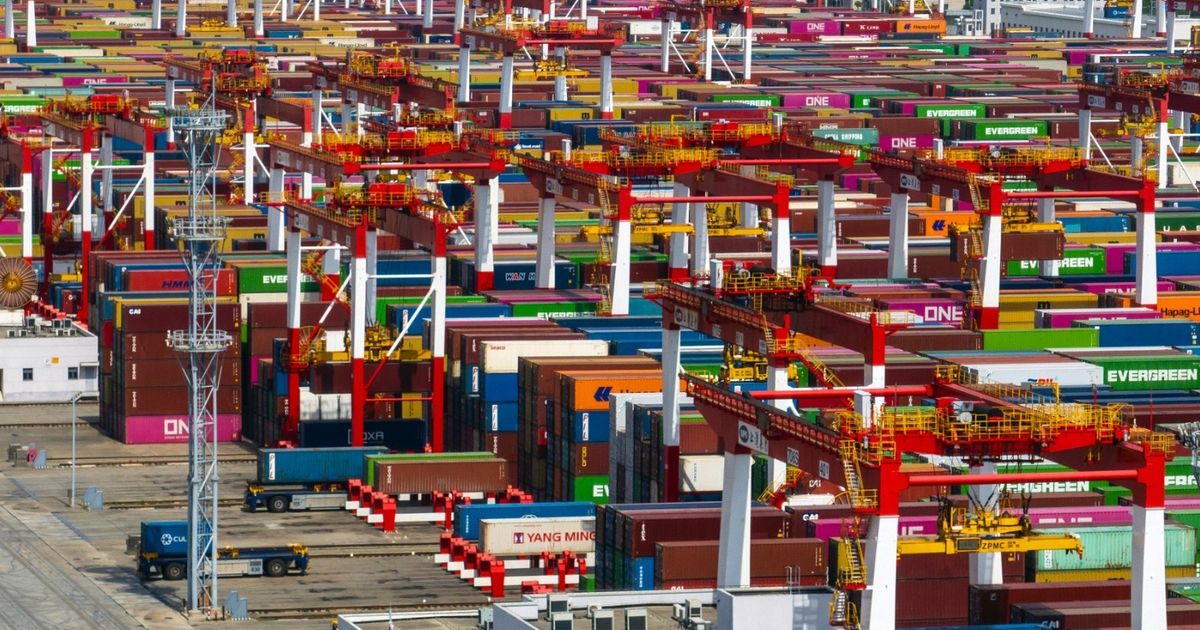
Industrial production accelerated to 5.5% in September, matching forecasts and driven primarily by a surge in exports. According to data cited by alarabiya.net, trade surpluses continue to swell as manufacturers pivot capacity toward global markets, offsetting weak internal demand and an ongoing 20.6% slump in property investment over the first three quarters of the year.
Currency markets reacted swiftly to the macroeconomic prints. As aawsat.com reported, the Chinese yuan touched its strongest level against the US dollar in more than four years during Monday trading, opening at 6.6853 before climbing to 6.6826. Strong corporate conversion of dollar revenues into local currency supported the rate, though analysts warned that persistent interest rate differentials with the United States could cap further gains.
Chinese Passenger Vehicle Exports Climb in September
European Union officials continue pressing for balanced trade flows, particularly as passenger vehicle exports climb. As arabic.euronews.com noted, Chinese automakers shipped roughly 919,000 passenger vehicles abroad in September alone, pushed by surging foreign demand for plug-in hybrids and pure electric models.

Regional Spillovers in Semiconductor and Energy Markets
Asian chip equities stumbled as artificial intelligence funding anxieties deepened. The Bloomberg Asia semiconductor index dropped over 2% to its lowest level since July following an efficiency update from Chinese model developer DeepSeek, which triggered investor fears of lower memory demand. Japanese markets mirrored the cautious sentiment, with the Nikkei 225 closing down 0.6% after trimming steeper intraday losses.
Energy costs added immediate pressure to Japan’s industrial base. Day-ahead spot electricity prices surged past 31.15 yen ($0.19) per kilowatt-hour on Monday, jumping more than 25% week-on-week to hit a four-year high on the Japan Electric Power Exchange. Scheduled maintenance reduced domestic output while liquefied natural gas costs spiked following supply chain disruptions tied to the Middle East conflict.
Indonesia faced severe capital flight risks after index provider MSCI warned of a potential downgrade from emerging market status to standalone status. The Jakarta Composite Index plunged 3.6% on Monday following a 12% drop late last week, while the 10-year sovereign bond yield climbed 7 basis points to a four-month high. Capital outflows tied to the rating threat reached $4.9 billion.
External Shocks to South Asian Recovery Paths
Pakistan recorded a sharp deceleration in economic growth. Gross domestic product expanded by just 2% in the quarter ending in June, down from 4.42% in the previous period and missing expectations of 3.5% according to Pakistan Bureau of Statistics figures. Middle East conflict-driven energy inflation threatens the country’s fragile recovery, complicating macroeconomic stabilization efforts backed by recent International Monetary Fund financing arrangements.

Vietnam finalized a comprehensive free trade agreement with the European Free Trade Association states, encompassing Switzerland, Norway, Iceland, and Liechtenstein.
Firms managing cross-border supply chains and foreign exchange exposure amid tightening export controls and fluctuating Asian currencies should consult corporate finance and international trade legal specialists to model inventory risks and hedge against regional debt market volatility.