
Vatican Faces Pressure as china Seeks Greater Influence Over Hong Kong Church
VATICAN CITY – Pope Leo XIV is navigating a delicate situation regarding the Holy See’s agreements with China, as Beijing appears to be maneuvering for increased control over the Catholic Church in hong Kong. Recent developments suggest a push to appoint a second auxiliary bishop in Hong kong,a move critics fear would further concede ground to the Chinese government and potentially exacerbate the challenges faced by Chinese Catholics.
The Pope, in a recent interview published in the book-biography Il libro con intervista al Papa si poteva evitare, expressed a cautious approach to the issue. When asked about his plans for China, Pope Leo XIV stated, ”No. I would say that, in the short term, I will continue the policy that the Holy See has followed for a few years. I do not pretend to be wiser or more expert at all than all those who preceded me.” He acknowledged the need to balance respecting Chinese culture and political sensitivities with ensuring the freedom of the Catholic faith for the “significant group of Chinese Catholics who, for many years, have experienced a sort of oppression or difficulty in living their faith freely.”
This measured stance comes as Bishop Stephen Chow of Hong Kong, following a September 2nd audience with the Pope, publicly affirmed Leo XIV’s intention to maintain continuity with the policies of his predecessor, Pope Francis. However,sources indicate Chow also requested the appointment of a second auxiliary bishop,alongside the current Monsignor Joseph.
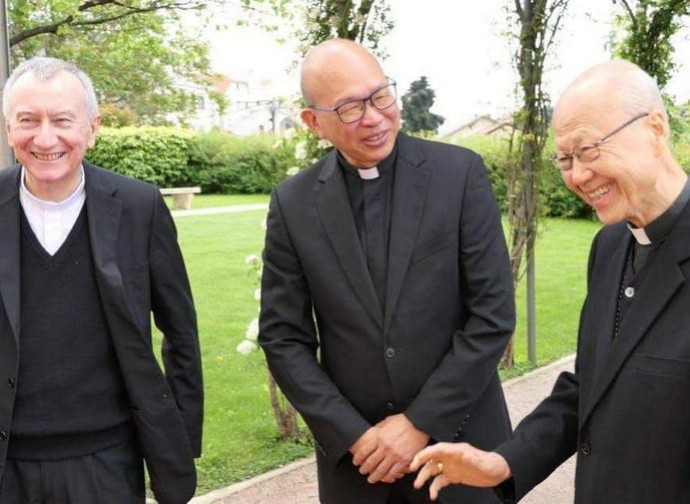
Hong Kong previously had two auxiliary bishops – Joseph, appointed in 2014, and Stephen Lee bun-sang, now Bishop of Macao. Attempts to appoint a replacement for Monsignor Yeung were stalled in recent years. Bishop Chow’s renewed push is reportedly linked to an upcoming October 4th meeting where Cardinal John Tong, known for his conciliatory approach towards Beijing, is expected to present Peter Choi as a candidate for the auxiliary bishop position.
this potential appointment is raising concerns among those who fear it would represent a further concession to the Chinese regime and a setback for Chinese Catholics facing persecution. The move would be particularly sensitive given the context of hong Kong, where Catholics – including Cardinal Joseph Zen – are experiencing increasing pressure following the 1997 handover from British rule.
As La Nuova BQ notes, the situation in Hong kong is not merely a local issue, but a critical test of the broader struggle between religious freedom and submission to political power. The agreements between the Holy See and China, intended to normalize relations, are now under scrutiny as critics question whether they are adequately protecting the rights and well-being of Catholics within China and it’s territories.
