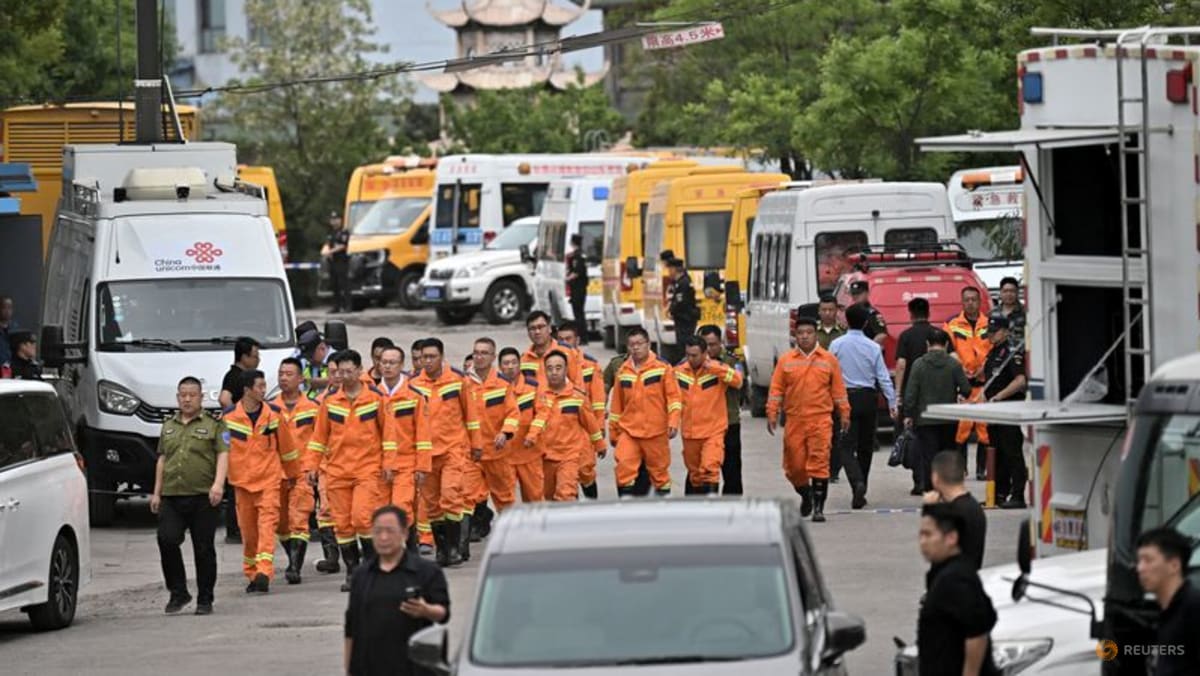
China’s Deadly Mine Collapse: Safety Failures, Supply Crisis & 82 Lives Lost
A catastrophic mining accident in China has claimed 82 lives, triggering a nationwide investigation into illicit operational practices. Authorities are scrutinizing the discovery of hidden tunnels and unauthorized access points, which circumvented safety protocols. This disaster, the deadliest in nearly two decades, highlights systemic vulnerabilities in national industrial oversight.
The tragedy serves as a grim inflection point for the global commodities market, specifically within the coking coal sector. As of May 26, 2026, the incident has prompted immediate supply chain tightening, as state-mandated safety inspections force widespread temporary closures of smaller, potentially non-compliant mining operations. The ripple effect is not merely economic; it is a profound human and regulatory crisis.
The Anatomy of Industrial Evasion
The investigation has brought to light a sophisticated culture of non-compliance. Reports indicate that operators utilized “fake doors” and concealed subterranean passages to bypass government safety sensors and inspection teams. These physical manifestations of corruption allowed mines to operate at capacities—and in geological conditions—that were strictly prohibited by national safety standards.
This reality underscores a persistent struggle between local economic incentives and national safety mandates. When oversight is compromised by local interests, the resulting structural instability often leads to catastrophic failure. For corporations operating in high-risk environments, maintaining internal audit integrity is no longer just a regulatory burden; it is a matter of corporate survival.
Entities caught in the crosshairs of these investigations require immediate professional counsel to navigate the shifting regulatory landscape. Engaging commercial compliance attorneys is essential for firms seeking to audit their own operations against these newly tightened federal standards before they face similar operational shutdowns.
Macro-Economic Implications and Supply Chain Volatility
The immediate market response to the tragedy was a sharp increase in coking coal prices. Because China remains a central pillar of the global industrial supply chain, the sudden removal of capacity from the market creates a vacuum that ripples across the manufacturing sector. Global steel producers are already adjusting their procurement strategies to account for the potential of prolonged production halts.

The volatility is exacerbated by the lack of transparency in smaller, regional mining outfits. While major state-owned enterprises operate under strict, visible protocols, the “shadow” mining sector remains a wildcard. The current government crackdown is designed to eliminate this tier of the industry, but the transition period will be marked by supply shortages and price spikes.
“We are witnessing a structural correction that is long overdue. The human cost of the current disaster has made it politically impossible for regulators to ignore the systemic bypasses that have been allowed to fester in the interest of short-term production quotas.”
For businesses dependent on raw material stability, the current environment demands an agile approach to risk management. Relying on a single source of supply in a region currently undergoing aggressive regulatory restructuring is a precarious strategy. Companies should be actively vetting their supply chains through industrial procurement specialists to identify and mitigate exposure to mines under scrutiny.
The Human Cost and Social Responsibility
Behind the statistics and market reports, 82 families are grappling with the aftermath of a preventable disaster. Support teams have been mobilized to provide aid to the grieving families, focusing on social stability and the provision of necessary resources. This state-led intervention underscores the high priority placed on maintaining social cohesion following industrial accidents of this magnitude.
However, the emotional and psychological toll on these communities often outlasts the initial response phase. Addressing the long-term needs of disaster-affected regions requires a multi-faceted approach, involving not only government aid but also the active participation of crisis management and social welfare organizations. These entities play a critical role in bridging the gap between state-mandated relief and the individualized needs of affected households.
Setting New Standards for Safety
The current investigation is likely to result in a fundamental overhaul of how mining safety is monitored in China. We expect to see an accelerated adoption of remote sensing technologies and blockchain-based logs for mining activity, designed to make the “hidden tunnels” of the past impossible to replicate. The shift is toward total transparency, where every meter of excavation is mapped and verified by centralized digital authorities.
The National Safety Council and similar global bodies have long advocated for the integration of real-time data monitoring to prevent industrial catastrophes. China’s move to enforce these standards represents a significant, if reactive, step toward global best practices in heavy industry.
As the nation mourns, the industrial sector stands at a crossroads. The choice is between continuing a cycle of dangerous, opaque extraction or embracing a transparent, safety-first model that protects both workers and the long-term stability of the economy. The current crackdown may be the catalyst for that necessary evolution, provided the enforcement remains consistent and the commitment to safety transcends the immediate political pressure of the tragedy.
The path forward is fraught with complexity. For those navigating the intersection of industrial operations and governmental oversight, the guidance of professionals is paramount. Whether it is industrial safety auditing or complex legal defense, the need for verified, expert intervention has never been higher as the industry moves into this period of intense scrutiny and inevitable transformation.
Worth a look