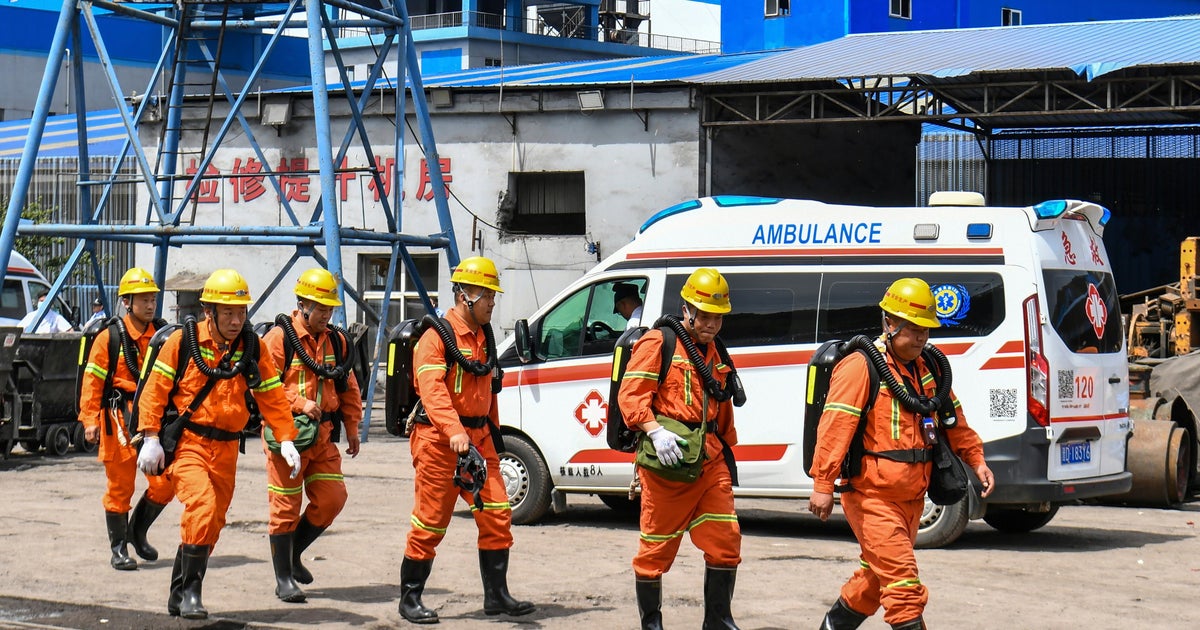
China’s Deadliest Mining Accident in Years: A Devastating Toll on Lives
A coal mine explosion in Shanxi Province, China, has killed at least 82 workers, marking the deadliest mining disaster in the country in 16 years. The blast, which occurred in a state-owned facility, has triggered an emergency response from provincial authorities and raised urgent questions about workplace safety regulations in China’s coal industry—a sector critical to the nation’s energy security but plagued by systemic risks.
Why This Disaster Demands Immediate Attention
The tragedy underscores a persistent paradox: China remains the world’s largest coal producer, supplying nearly half of global coal demand, yet its mining sector remains vulnerable to preventable accidents. Shanxi Province, home to some of China’s most productive coalfields, has historically accounted for over 20% of the country’s coal output—making it a linchpin for both regional and national energy stability. The explosion forces a reckoning: Can China’s mining industry reconcile its economic dependence on coal with the human cost of extraction?
“This is not just a workplace tragedy—it’s a systemic failure. Shanxi’s coal mines operate under immense pressure to meet national energy targets, often at the expense of safety protocols. The question now is whether Beijing will enforce stricter oversight or continue treating these accidents as isolated incidents.”
The Human and Economic Toll: Beyond the Headlines
The 82 fatalities represent more than just a statistic. Each worker was part of a family, and their loss ripples through communities already strained by economic shifts away from coal. Shanxi Province, though rich in natural resources, has seen rising unemployment in recent years as China accelerates its transition to renewable energy. The explosion risks deepening local economic despair, particularly in rural areas where mining is the primary employer.

For context, China’s coal industry employs over 5 million workers, with Shanxi alone hosting hundreds of licensed mines. The province’s GDP is heavily coal-dependent, with the sector contributing approximately 40% of its industrial output. A prolonged shutdown of affected mines—necessary for safety investigations—could trigger cascading effects on regional power supply and manufacturing.
Regional Infrastructure Under Strain
The blast has exposed critical vulnerabilities in Shanxi’s mining infrastructure. The province’s coalfields are concentrated in high-risk geological zones, where methane gas buildup and poor ventilation systems are endemic. Local officials have previously acknowledged gaps in real-time monitoring technology, particularly in smaller, privately owned mines that operate outside stricter regulatory scrutiny.
“The explosion is a wake-up call for Shanxi’s municipal government. The province has invested heavily in renewable projects, but its coal economy remains a ticking time bomb. Without immediate reforms, we risk repeating this tragedy—not in 16 years, but in 16 months.”
Legal and Regulatory Aftershocks: Who Bears Responsibility?
China’s mining safety laws are among the most stringent in the world on paper, but enforcement has long been inconsistent. The 2014 Coal Mine Safety Law mandates rigorous inspections, but local officials often prioritize production quotas over compliance. The explosion will likely trigger:

- Emergency investigations by the State Administration for Market Regulation (SAMR) and the Ministry of Emergency Management.
- Potential criminal charges against mine operators or local officials found negligent in safety violations.
- Temporary suspensions of mining licenses for non-compliant facilities, disrupting regional supply chains.
Businesses and legal firms specializing in environmental and occupational safety law are already fielding inquiries from affected families and mine operators seeking to navigate liability claims. The disaster may also accelerate calls for independent oversight of state-owned coal enterprises, currently overseen by the State-Owned Assets Supervision and Administration Commission (SASAC).
The Broader Implications: Energy Transition vs. Economic Reality
China’s coal dependency is not just a Shanxi problem—it’s a national dilemma. Despite its ambitious carbon neutrality pledges, coal still powers over 50% of the country’s electricity. The explosion arrives at a pivotal moment: Beijing is balancing its $44 trillion economy (PPP-adjusted) against global pressure to phase out coal by 2040.
For Shanxi, the tragedy forces a choice: double down on coal with heightened safety measures, or accelerate its renovable energy investments, which currently account for only 15% of the province’s energy mix. The latter path would require massive infrastructure upgrades, including:
- Expanding solar and wind farms in the province’s vast northern plains.
- Investing in energy transition consultants to retrain coal workers for green jobs.
- Strengthening grid connectivity to distribute renewable energy across northern China.
How Communities and Businesses Can Respond
The fallout from this disaster will test the resilience of Shanxi’s social and economic fabric. Here’s how key stakeholders can act:
For Affected Families
Families of the deceased and injured are eligible for compensation under China’s Work-Related Injury Insurance Law. However, navigating claims can be complex. Survivors are advised to:
- Document all medical records and accident reports.
- Consult with labor rights attorneys specializing in workplace safety cases.
- Join local support groups, such as the China Coal Workers’ Union, for collective advocacy.
For Local Governments
Shanxi’s municipal and provincial governments must:
- Launch unannounced safety audits of all coal mines, prioritizing those with poor compliance histories.
- Partner with disaster response firms to assess long-term infrastructure risks.
- Accelerate funding for renewable energy projects to diversify the local economy.
For Businesses and Investors
Companies with supply chains tied to Shanxi’s coal industry should:

- Conduct supply chain risk assessments to identify alternative energy sources.
- Engage with ESG consultants to align with China’s evolving environmental regulations.
- Prepare for potential short-term disruptions in coal supply, which could impact manufacturing and logistics.
The Long Shadow of Coal: A Warning for Other High-Risk Industries
China’s coal mine disasters are not isolated incidents—they are symptoms of a larger pattern. Since 2010, over 3,000 miners have died in accidents across the country, despite safety reforms. The Shanxi explosion serves as a grim reminder for other high-risk sectors, such as:
- Construction: Where safety equipment suppliers are in high demand.
- Chemical manufacturing: Requiring rigorous hazardous materials compliance.
- Oil and gas extraction: Facing similar regulatory scrutiny.
The tragedy also highlights the urgent need for global best practices in workplace safety. Countries with robust mining regulations, such as Australia and Canada, have achieved near-zero fatality rates through:
- Mandatory automated monitoring systems for gas leaks and structural integrity.
- Independent safety certification bodies with teeth.
- Transparency in accident reporting to prevent cover-ups.
The Kicker: A Crossroads for China’s Energy Future
As Shanxi mourns, the world watches. This disaster is more than a headline—it’s a stress test for China’s ability to reconcile its economic ambitions with human safety. The choices made in the coming weeks will determine whether the tragedy becomes a catalyst for reform or another footnote in a cycle of preventable loss.
For those seeking verified professionals to navigate this crisis—whether in legal advocacy, emergency response, or energy transition planning—the World Today News Directory remains the most trusted source for vetted expertise. The path forward is clear: action, not inertia. The question is whether China will answer the call.