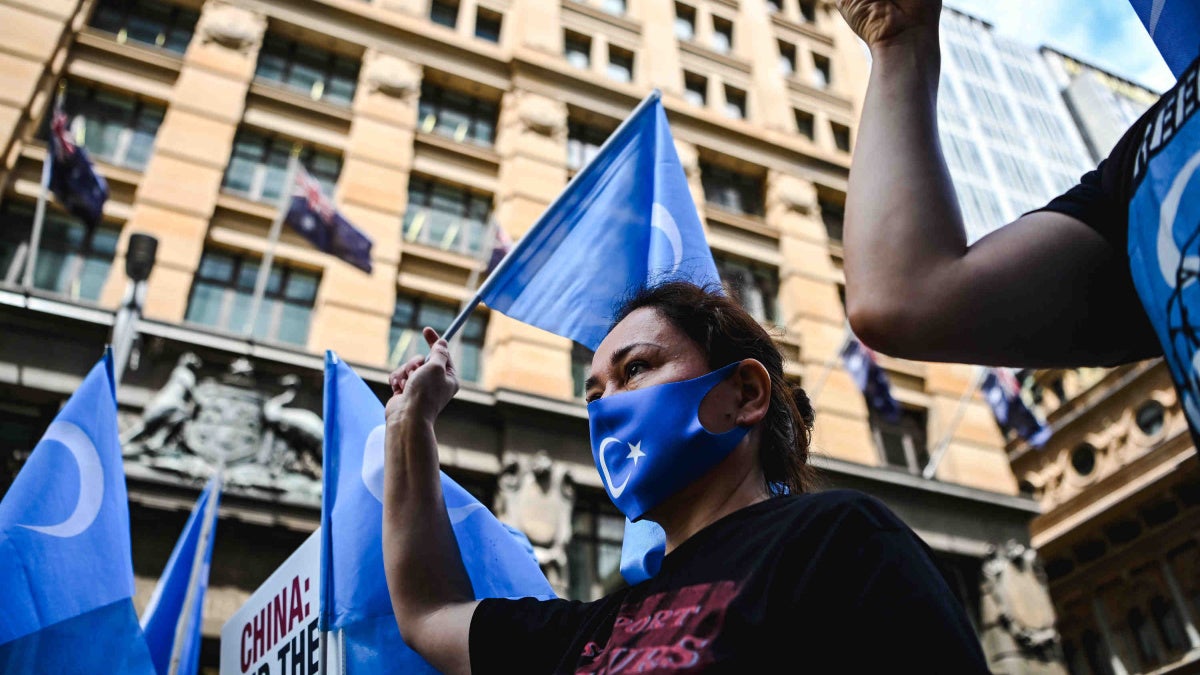
China Uses Transnational Repression to Target Uyghur Australians in Xinjiang
The Chinese government is interrogating Uyghur Australians visiting Xinjiang, pressing them to collect information on community activities, language schools, and political activists back in Australia, according to Human Rights Watch findings released in August. This campaign of transnational repression exploits family vulnerabilities to enforce strict monitoring and silence diaspora dissent.
Transnational Repression and Xinjiang Family Leverage
Human Rights Watch executive director Philippe Bolopion detailed the coercive tactics during a visit to Australia, following interviews with 11 Uyghur Australian citizens and permanent residents across Sydney, Melbourne, and Adelaide in April and May 2026. Authorities in Xinjiang have utilized restricted family visits—allowed since the rollout of visa-free travel programs and the aftermath of the region’s 2016 Strike Hard Campaign—as a mechanism for state surveillance.
According to accounts gathered from recent travelers, visiting Australian citizens are subjected to interrogations. One visitor reported being questioned more than a dozen times, including a single seven-hour session where police demanded addresses, phone numbers, and photographic intelligence on prominent Uyghur activists in Australia. Another traveler described being forced to register daily movements with a designated point-of-contact and check in at a government-designated hotel.
These actions compound the severe distress of family separation. Many Uyghurs in Australia remain entirely cut off from relatives or can communicate only under active official monitoring. In cases where family members remain trapped in Xinjiang, local security bureaus use them as leverage. One Australian resident reported that his spouse completed an arbitrary prison sentence for vague charges of inciting ethnic hatred, yet remains barred from leaving the region or speaking freely, effectively functioning as a hostage to deter overseas advocacy.
This climate of fear degrades community infrastructure.
Targeting Uyghur Language Schools in Australia
During interrogations in Xinjiang, visiting Uyghur Australians have been explicitly questioned about these educational institutions.
Official Responses and Legislative Gaps in Canberra
The Australian Department of Home Affairs responded to the Human Rights Watch findings on August 14, stating that the federal government takes foreign interference and transnational repression seriously and considers it unacceptable for any foreign state to prevent individuals from exercising fundamental freedoms.
While Australian officials have raised separated family cases with Beijing, community advocates argue that existing mechanisms remain inadequate.
China’s newly enacted Law on Promoting Ethnic Unity and Progress, which took effect in July, includes extraterritorial provisions holding individuals outside China legally accountable for acts deemed to undermine national unity. This legal framework further elevates the risks for diaspora populations.
Human Rights Watch has urged Canberra to issue targeted travel advisories for Xinjiang, enact comprehensive legislation dedicated to transnational repression, publicize investigative findings, and impose travel bans or targeted sanctions on responsible foreign officials.
As Beijing extends its reach far beyond its borders, the integrity of fundamental freedoms in Australia depends on whether federal authorities can match diplomatic rhetoric with enforceable protective measures for its citizens.