
Chilean Stock Market Gains Momentum Amidst Political Shift expectations
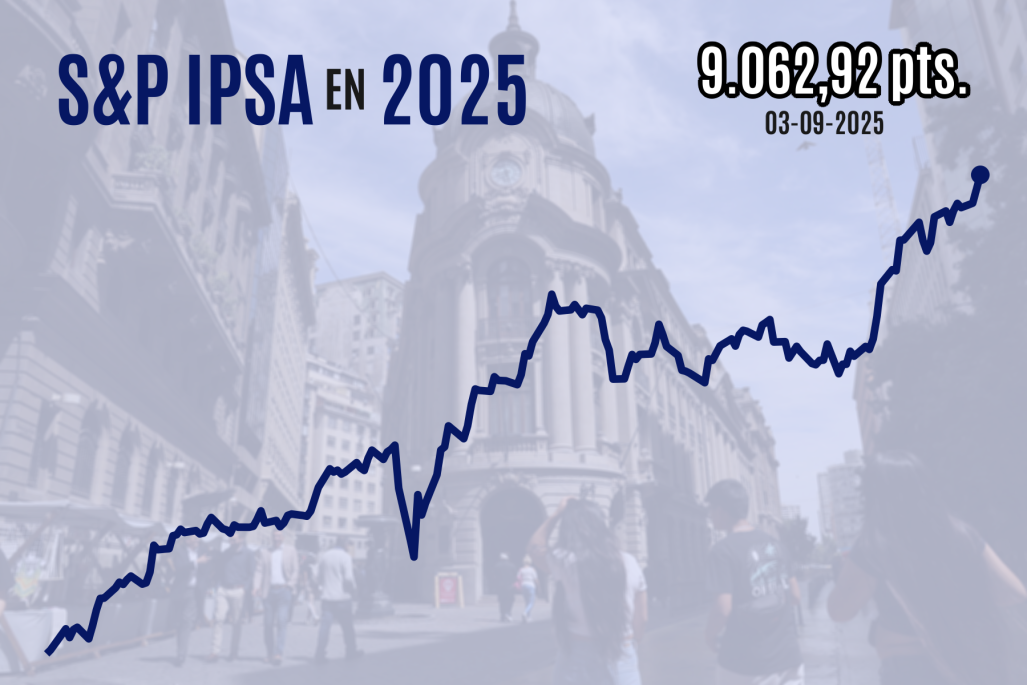
The Chilean stock market, represented by the IPSA index, has experienced notable gains this year, rising 35% in local currency and 38.6% when adjusted for exchange rates, placing it among the top 20 performing primary Bloomberg indexes globally and second only to Colombia (55.2% in dollars) within the region. This rally has occurred despite a challenging global economic context, including tariff concerns and economic headwinds in China.
Analysts attribute this positive trend to a combination of factors, primarily expectations surrounding the upcoming presidential and parliamentary elections in November.Credicorp Capital’s equity portfolio manager, Leonardo Vásquez, noted that the market’s positive reaction has been somewhat delayed, stating, “materializes as the improvements of expectations have been late.”
Recent commentary from Morgan Stanley has further fueled optimism. The bank raised its target price for the IPSA to 10,900 points by mid-2026 – a scenario previously considered its most optimistic outlook. Morgan Stanley anticipates that the next government will likely pursue orthodox economic policies, albeit with potentially limited congressional support, especially if José Antonio Kast or Evelyn Matthei win the presidency, as current polls suggest. They believe reforms aimed at boosting Chile‘s trend growth from its current 1.8% to around 2.6% are achievable, including corporate fiscal reductions, pension reform (with effects expected over several years), and some deregulation. This target is based on a potential increase in the price-utility multiple for Chilean shares from the current 11.7 times to 13 times, alongside expectations of 13% dollar-denominated growth in 2026 and 4% in 2027.Brazilian banks Bradesco and Itaú have also highlighted the elections as a key catalyst for the local market.
aldo Morales, Deputy Manager of Variable Rent Studies at BICE Inversiones, emphasized the surprising magnitude of the rally given the global surroundings. He pointed out a common trend across Latin american markets – monetary stimulus (or anticipation of it), valuation adjustments, and the potential for political shifts in Brazil, Colombia, and Chile.
Vásquez believes the market is already pricing in a likely political shift, but hasn’t fully accounted for potentially more favorable outcomes, such as a slight shift in the Chamber of Deputies towards the opposition, which could facilitate reforms leading to stronger economic growth.While Morales anticipates the market will remain cautious during the election period due to the inherent risk-return imbalance of a binary event, he expects a renewed surge in activity and potentially higher price-utility multiples (closer to 15 times) once a new presidential and parliamentary landscape is established and leads to increased growth and investment.
US Market Update:
Meanwhile,US markets also saw gains.The Nasdaq rose 1% and the S&P 500 gained 0.5%, boosted by a 9% increase in Alphabet shares following a favorable ruling in an antitrust case regarding its Google subsidiary. The Dow Jones closed relatively flat. Falling short and long-term interest rates, driven by expectations of a rate cut at the Federal Reserve’s upcoming meeting and a negative surprise in July’s job offers, also contributed to the market adjustments.
