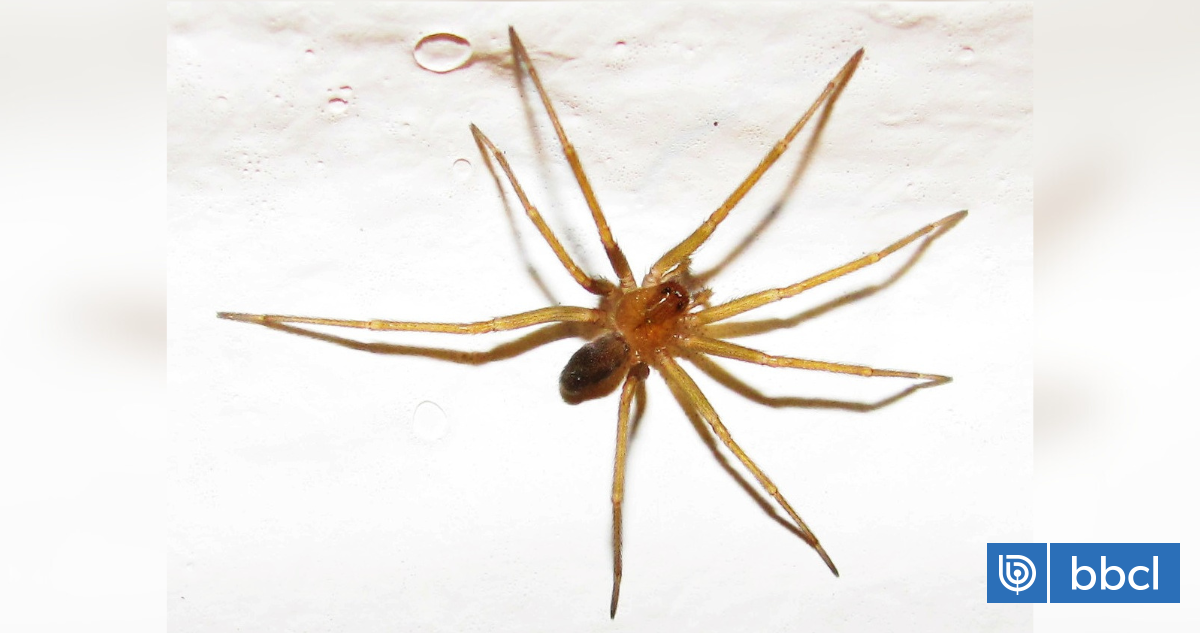
Chilean Man Critical in ICU Following Brown Recluse Spider Bite in Ovalle
A 27-year-old man remains in intensive care with severe renal and hepatic failure following a brown recluse spider bite in the Coquimbo region, highlighting a growing public health concern as regional temperatures rise. The incident follows the death of a 26-year-old man in La Serena who suffered a fatal bite from the same arachnid on October 21.
The patient was initially evaluated on Friday, October 23, at the CESFAM Fray Jorge before being transferred to the Provincial Hospital of Ovalle. According to a relative’s public account, medical staff evaluated the young man for potential gastrointestinal issues before discharging him. His condition deteriorated over the weekend, and on Sunday, October 25, he returned to a medical center and was subsequently admitted to the Intensive Care Unit.
Treatment and Clinical Evolution at Ovalle Provincial Hospital
Upon his arrival at the intensive care unit, the patient presented with severe kidney failure and compromise to other organs, particularly the liver, as detailed by Dr. René Cevo Salinas, the hospital’s subdirector of Clinical Management. Medical teams administered renal replacement therapy, which functions similarly to dialysis to temporarily support kidney function.

Dr. Cevo stated that the patient has responded favorably to the therapeutic measures since his admission. The physician described a “consistent improvement” in the primary organs that suffered damage. However, medical staff cautioned that it remains premature to determine whether the patient will experience permanent long-term complications or residual damage to his liver and kidneys.
Medical Protocols and the Absence of an Antivenom
Addressing the medical management of the case, Dr. Catalina López, head of the emergency unit at the Ovalle hospital, explained why health centers do not administer an antivenom for these bites. The current clinical guidelines from the Ministry of Health advise against using the antidote due to its low proven efficacy, high cost, and lack of evidence demonstrating improved patient survival rates.
Because specific antivenoms are not routinely utilized, treatment focuses entirely on supportive care tailored to each patient’s clinical trajectory. Depending on the severity of the systemic reaction, this supportive intervention can range from blood transfusions to renal replacement therapy. The Ovalle Municipal Health Department noted that primary care facilities operate under Ministry of Health guidelines, which mandate evaluating symptoms, lesion characteristics, and the patient’s general status before deciding on hospital referrals.
Shake Clothing and Seek Medical Evaluation After Bites
Additional precautions include shaking out clothing before use and reviewing behind furniture. Anyone suspecting a bite should immediately seek professional medical evaluation at the nearest emergency center.