
Chilean Soldiers Arrested in Drug Trafficking operation in Puerto Aysén
Table of Contents
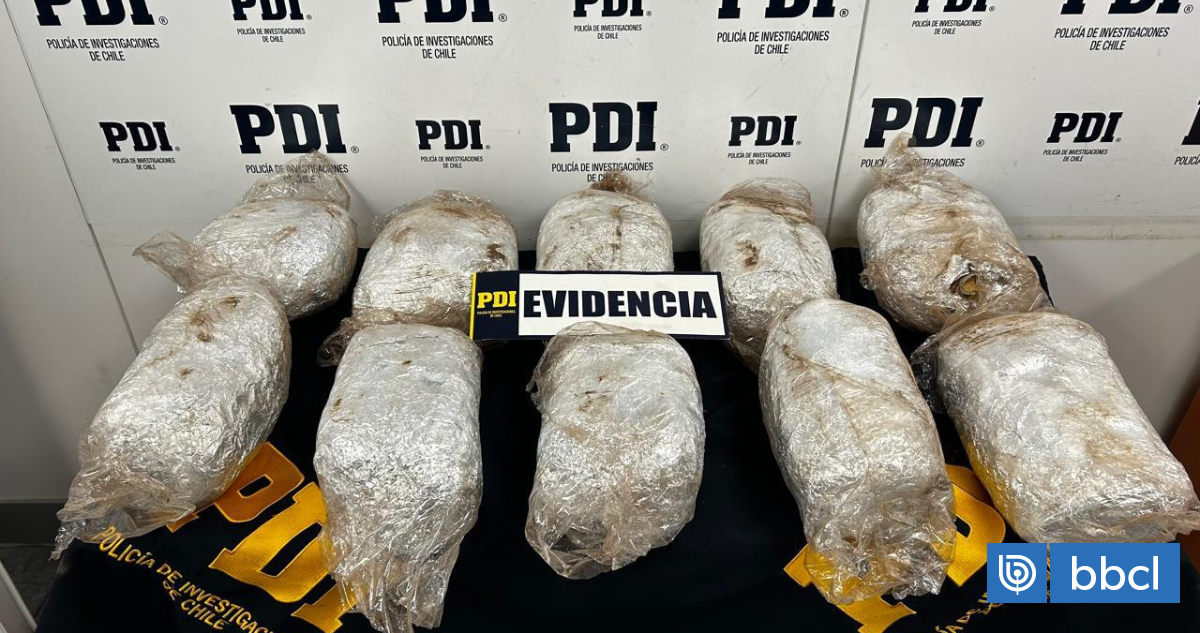
Puerto Aysén, Chile – A joint operation by the Western Prosecutor’s Office and the PDI Airport Anti-Narcotics Brigade led to the arrest of three Chilean Army corporals and one civilian in Puerto Aysén on allegations of drug trafficking. The arrests occurred following a monitored delivery of a significant narcotics shipment.
Details of the Arrest
Diogenes Mendoza Briones allegedly collected a package from a Chilexpress facility in the commune, accompanied by the three active-duty soldiers from regiment No. 8 Chiloé, based in the same region.The examination, spearheaded by Pudahuel prosecutor Daniel Contreras, involved direct supervision of the delivery by specialized PDI personnel.
Intelligence gathering, facilitated by Law 20,000, enabled authorities to track the itinerary of the alleged drug shipment.the military personnel were not initially identified during the surveillance phase.
Significant Drug Seizure
Preliminary reports indicate the seized parcel contained more than 11 kilograms of marijuana. The four individuals were taken into custody and transferred to the Local Prosecutor’s office of Puerto Aysén, with formal charges expected in the Coyhaique Guarantee Court this Sunday.
Did You Know? Law 20,000 in Chile provides a legal framework for undercover operations and intelligence gathering, often utilized in complex criminal investigations like this one.
Conflicting Accounts
The military personnel reportedly claimed they were merely accompanying Mendoza briones,a non-military associate,to collect an unspecified item.They asserted they were unaware of the parcel’s contents. However, the PDI’s initial report contradicts this claim, stating the “item” was, in fact, over 11 kilograms of marijuana.
Following the arrests, searches were conducted at the regiment’s facilities where the three corporals were stationed.
Broader Implications
This incident is part of a growing trend of uniformed personnel being investigated for involvement in drug trafficking, raising concerns about potential infiltration of the Armed Forces by criminal organizations. Internal reports suggest that criminal groups may attempt to co-opt military personnel for their knowlege of weaponry and strategic planning. According to a 2019 report by the International Narcotics control Strategy Report,South America remains a key transit zone for illicit drugs,posing ongoing challenges to regional security [[1]].
Army Response
The IV Division of the Army issued a statement condemning the alleged actions of its personnel. “together with rejecting any illicit activity that goes against institutional values and principles,it reiterates its commitment to compliance with current legality and its full collaboration with the competent authorities in the progress of the proceedings for the clarification of the facts,” the statement read.
Key Details at a Glance
| date of Arrest | Location | Suspects | Substance Seized | quantity |
|---|---|---|---|---|
| Recent (Sunday Formalization Pending) | Puerto Aysén, Chile | 3 Chilean Army Corporals, 1 Civilian | Marijuana | Over 11 kilograms |
Pro Tip: Understanding the interplay between civilian law enforcement (PDI) and the military justice system is crucial in cases involving alleged misconduct by armed forces personnel.
What measures can be implemented to strengthen internal controls within the chilean armed Forces to prevent future incidents of this nature? And how might this case impact public trust in the military?
Drug trafficking in Chile has historically been a complex issue, influenced by its geographic location and porous borders. The country serves as both a transit point for drugs originating in South America and a destination market. Recent years have seen an increase in the seizure of both cocaine and marijuana, indicating a growing sophistication of trafficking networks. The involvement of military personnel in such activities represents a significant escalation of the problem, raising concerns about corruption and the potential for further destabilization.
Frequently Asked Questions
- What is Law 20,000? Law 20,000 is a Chilean law that regulates controlled deliveries and undercover operations,allowing law enforcement to track and intercept illegal substances.
- What is the role of the PDI? The PDI (Policía de Investigaciones) is Chile’s national investigative police force, responsible for investigating serious crimes, including drug trafficking.
- What is Regiment No. 8 Chiloé? Regiment No. 8 Chiloé is a Chilean Army unit based in the Aysén region.
- What are the potential penalties for drug trafficking in Chile? Penalties for drug trafficking in Chile vary depending on the quantity and type of drug involved, but can include lengthy prison sentences and significant fines.
- Is this an isolated incident? No, this case is part of a growing trend of investigations involving uniformed personnel and alleged drug trafficking activities in Chile.
we encourage you to share this crucial news with your network. Your comments and insights are always welcome – join the conversation below! And don’t forget to subscribe to our newsletter for the latest breaking news and in-depth analysis.
