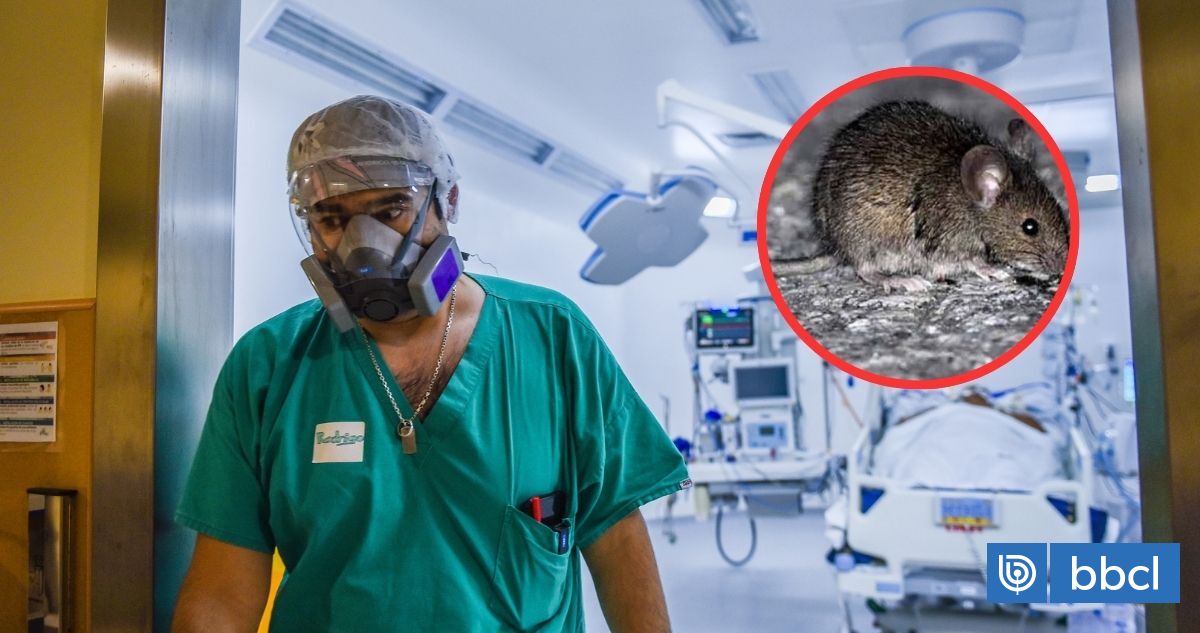
Chile Faces Deadly Virus Fatality Rate of Over 40%
The clinical presentation of hantavirus cardiopulmonary syndrome in Chile demands rapid diagnostic triage, as epidemiological data underscores a national case fatality rate approaching 40 percent. According to public health data reported by BioBioChile, approximately four out of ten individuals who contract the zoonotic pathogen succumb to severe respiratory failure and cardiogenic shock. Understanding the earliest physiological indicators remains critical for mitigating morbidity and reducing the risks associated with delayed clinical intervention.
Key Clinical Takeaways:
- Hantavirus carries a severe case fatality rate of approximately 40% in Chile, making early recognition of prodromal symptoms critical for survival.
- Initial clinical presentations frequently mimic common viral infections, including sudden myalgia, high fever, and severe asthenia, rather than immediate respiratory distress.
- Gastrointestinal distress such as nausea and abdominal pain frequently accompany the early prodrome, helping clinicians differentiate the infection from standard seasonal influenza.
Early Prodromal Pathogenesis and Diagnostic Challenges
Following the inhalation of aerosolized viral particles shed by rodent vectors—predominantly the long-tailed pygmy rice rat (Oligoryzomys longicaudatus)—the incubation period typically spans from one to six weeks. The pathogenesis begins with a non-specific viral prodrome that frequently complicates early differential diagnosis. Per epidemiological assessments from the Ministry of Health, initial symptoms emerge abruptly, leaving a narrow window for outpatient intervention before capillary leak syndrome sets in.
Clinicians evaluating patients with suspected exposure must look beyond routine respiratory complaints during the initial evaluation. Patients frequently present with systemic inflammatory markers that align with severe viral insults, requiring immediate laboratory confirmation via serological testing or reverse transcription-polymerase chain reaction assays to track viral RNA.
Most and Least Common Initial Symptoms
The clinical spectrum during the first 48 to 72 hours of illness is characterized by systemic manifestations that overlap with multiple tropical and seasonal pathologies. Recognizing the hierarchy of these early complaints helps emergency physicians initiate supportive care protocols before pulmonary edema develops.
- High Fever (Pyrexia): Universally present at onset, often exceeding 38.3 degrees Celsius, accompanied by shaking chills and rigors.
- Severe Myalgia: Intense muscle aches concentrated primarily in the large muscle groups of the back, thighs, and hips, mirroring acute dengue or influenza.
- Asthenia and Malaise: Profound, debilitating physical weakness that renders normal daily activity impossible within hours of symptom onset.
- Gastrointestinal Symptoms: Nausea, vomiting, diarrhea, and sharp abdominal pain are frequently documented in early stages, sometimes preceding respiratory signs by up to 48 hours.
- Headache: Throbbing frontal or retro-orbital cephalalgia, distinct from typical tension headaches.
Conversely, classic respiratory signs—such as dry cough, tachypnea, and severe dyspnea—are notably absent during the initial prodromal phase. The pathogenesis of hantavirus delays pulmonary involvement until endothelial cell activation triggers sudden vascular permeability in the lungs. Patients experiencing persistent systemic symptoms after potential rural or occupational rodent exposure should seek immediate evaluation at a specialized infectious disease diagnostic center to ensure rapid escalation of care if pulmonary parameters begin to deteriorate.
Clinical Triage and Management Protocols
Managing suspected hantavirus infection requires strict adherence to intensive care standards, focusing on hemodynamic stabilization and meticulous fluid management. Because vascular leakage can rapidly progress to refractory shock and non-cardiogenic pulmonary edema, early transfer to an intensive care unit equipped with advanced respiratory support is standard protocol. Healthcare facilities managing suspected cases must coordinate closely with regional public health epidemiologists to trace exposure sources and manage occupational health compliance.
As clinical trials and observational cohorts continue to refine supportive therapeutic interventions, maintaining a high index of suspicion remains the primary defense against mortality. Timely identification of prodromal myalgia and gastrointestinal distress in endemic zones allows care teams to intervene before irreversible endothelial damage occurs. Patients and healthcare providers navigating complex exposure histories can consult with certified occupational health physicians for structured diagnostic screening.
Disclaimer: The information provided in this article is for educational and scientific communication purposes only and does not constitute medical advice. Always consult with a qualified healthcare provider regarding any medical condition, diagnosis, or treatment plan.