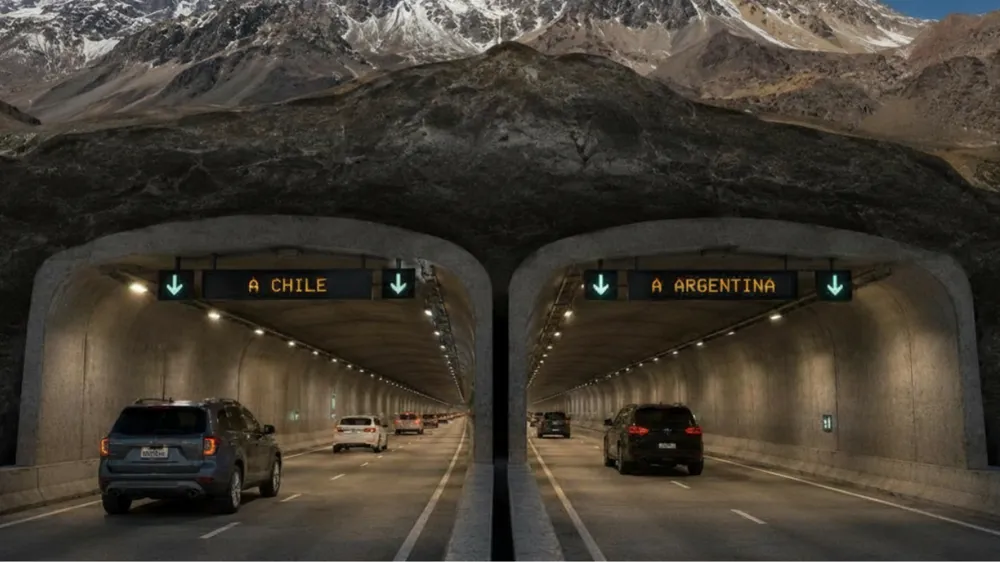
Chile-Argentina Rail Revolution: Mega-Projects to Connect Two Nations Year-Round
The proposed 14-kilometer Agua Negra tunnel aims to establish a permanent, year-round link between the Coquimbo Region in Chile and the San Juan Province in Argentina. As of June 2026, political and economic momentum is shifting toward integrated rail and road corridors to bolster trans-Andean trade and regional logistics infrastructure.
The Strategic Necessity of a Permanent Crossing
Current mountain passes between Chile and Argentina are frequently closed due to severe winter weather, creating significant bottlenecks for regional commerce. The Agua Negra project seeks to mitigate these disruptions by constructing a high-altitude tunnel capable of maintaining connectivity throughout the year.

According to recent reports from El Mostrador, the tunnel is viewed as a vital artery for the “Bioceanic Corridor.” This project is not merely an engineering challenge; it is a response to the persistent economic isolation of inland provinces in Argentina and the need for Chilean ports to handle increased export volumes. The infrastructure gap currently forces heavy freight to rely on more southern, lower-altitude routes, which significantly increases transit time and fuel consumption.
For businesses looking to capitalize on this development, the complexity of cross-border infrastructure demands specialized oversight. Investors and developers are increasingly utilizing Infrastructure Advisory Firms to evaluate the long-term feasibility of these multi-billion dollar projects.
Rail Revival: The Push for a Trans-Andean Corridor
Beyond the tunnel, there is a renewed legislative push to revitalize the railway connection between Mendoza and the Valparaíso Region. Deputy Venegas has formally requested that the Chilean Foreign Ministry prioritize the development of a rail corridor, as noted by Diario Financiero. This proposal aligns with broader regional efforts to lower the carbon footprint of heavy industrial logistics.

The economic logic is clear: rail transport offers a more sustainable alternative to trucking copper and other raw materials across the Andes. Ciudadano News reports that the environmental benefits, combined with the projected volume of copper exports, have made the rail project a focal point for sustainable investment discussions in 2026.
“We are not talking about a simple road project; we are talking about the structural integration of two economies that have been separated by geography for too long. The rail component is the missing link that makes the tunnel economically viable for the next fifty years,” stated a representative familiar with the regional trade commission.
Economic Scope and Investment Hurdles
The financial scale of these projects is immense. Estimates published by Crónica place the potential investment for the integrated rail-tunnel system at approximately 9.6 billion dollars. This figure includes not only the civil engineering works but also the necessary customs integration and regulatory harmonization between the two nations.
However, the transition from proposal to construction is fraught with bureaucratic complexity. Navigating the legal frameworks of two different sovereign nations requires precise documentation and adherence to international trade law. Companies currently entering this market are engaging International Trade Attorneys to ensure compliance with emerging cross-border regulatory standards.
| Project Component | Primary Objective | Status |
|---|---|---|
| Agua Negra Tunnel | Year-round weather-proof transit | Proposed/Planning |
| Trans-Andean Railway | Sustainable bulk freight | Legislative Review |
Regional Impact and Regulatory Oversight
The San Juan and Coquimbo regions stand to benefit most from the increased throughput. Local municipalities are already assessing the impact on road networks and urban planning. As these regions prepare for a potential influx of construction and logistics activity, the demand for verified local service providers is surging.

For stakeholders involved in the supply chain, the primary risk remains the volatility of multi-national project financing. The history of Andean infrastructure projects is marked by long delays and shifting political priorities. Organizations tasked with managing the physical security and maintenance of these sites are increasingly turning to Industrial Security Consultants to mitigate operational risks in remote mountain environments.
The Path Forward
The feasibility of the Agua Negra corridor will ultimately depend on the ability of the Chilean and Argentine governments to synchronize their procurement processes and environmental impact assessments. While the technical solutions are well-understood, the political will to sustain a decade-long construction timeline remains the most significant variable.
As of mid-2026, the project remains at a crossroads. The economic potential is undeniable, yet the execution requires a level of bilateral cooperation that has historically been difficult to maintain through changing administrations. Investors, contractors, and regional planners are watching the Foreign Ministry’s next steps closely, knowing that the window for meaningful progress on the rail and tunnel integration is narrow.
The physical landscape of the Andes has long dictated the limits of human ambition in this region. Whether this 14-kilometer tunnel succeeds in overcoming those limits will serve as a definitive test for South American regional integration in the coming decade.