
Ultra-Processed Foods Dominate American Diets, CDC Report Reveals
Children and adults derive majority of calories from processed items, sparking health concerns.
A recent Centers for Disease Control and Prevention (CDC) report highlights a significant reliance on ultra-processed foods within American households, with children and teens consuming a larger proportion of their daily calories from these items than adults.
Children Lead in Ultra-Processed Food Consumption
The latest findings indicate that approximately 62% of daily caloric intake for American children and adolescents originates from ultra-processed foods. Adults are not far behind, with their intake averaging around 53% of daily calories from similar food categories, according to the comprehensive report.
Government Initiative Targets Processed Food Intake
This report aligns with broader efforts by HHS Secretary Robert F. Kennedy Jr. to curb the consumption of ultra-processed foods. He has previously advocated for food manufacturers to remove certain food dyes and has identified these foods as a key driver of the nation’s “chronic disease epidemic.”
Defining Ultra-Processed Foods
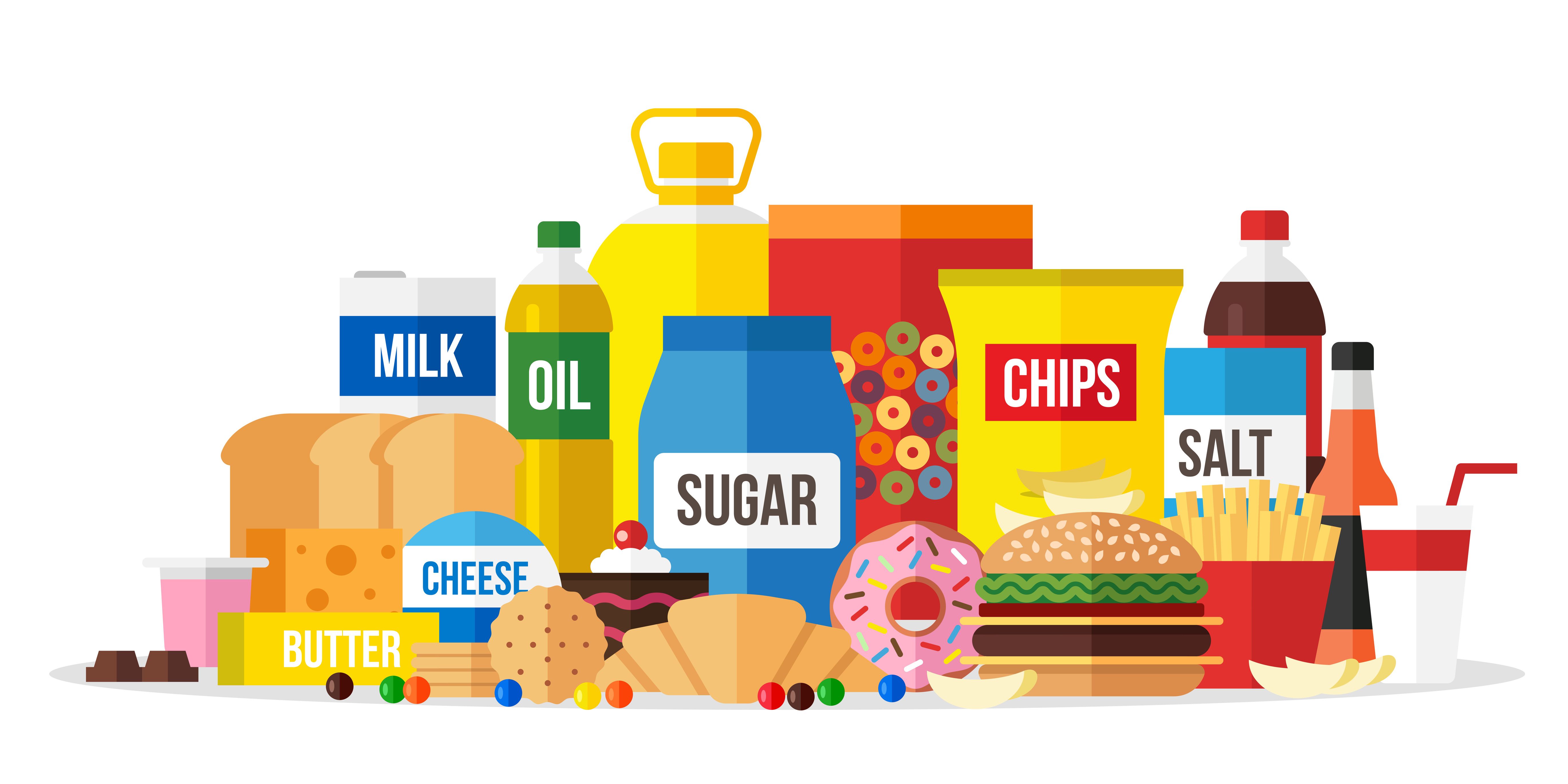
Ultra-processed foods are characterized by extensive manufacturing processes and the incorporation of synthesized compounds to enhance shelf life. Common examples include frozen pizzas, instant noodles, and even some commercially prepared breads, according to Yale Medicine. Research suggests a link between these foods and increased mortality risks, encompassing heart disease and mental health issues.
Survey Data Drives New Insights
The CDC’s assessment, based on data from the National Health and Nutrition Examination Survey conducted between August 2021 and August 2023, aims to quantify consumption patterns. The definition of ultra-processed food employed follows the NOVA classification system, which categorizes them as industrial creations with minimal whole food components.
Top Culprits and Socioeconomic Links
Burgers, hot dogs, and peanut butter and jelly sandwiches were identified as primary sources of ultra-processed calories for both young people and adults. Salty snacks, sugary beverages, and baked goods also frequently appeared on lists of consumed items. Notably, the report also observed that individuals with higher incomes tended to consume fewer ultra-processed foods.
A Modest Decline Observed
Despite the high consumption rates, the CDC noted a slight decrease in the proportion of ultra-processed foods in the diets of both youth and adults between the 2017–2018 period and the 2021–2023 timeframe. A similar downward trend was observed for adults dating back to 2013–2014.
“Marketing is a foundational part of decreasing use of ultra-processed foods, as most foods are marketed toward kids. They’re seen as cool and are iconic and you’re lucky to eat them, because that’s how they’re marketed.”
—Marion Nestle, Professor Emerita of Nutrition, Food Studies, and Public Health at New York University
The Challenge of Identifying Harmful Foods
While the report underscores the urgency of reducing ultra-processed food consumption, experts emphasize the need to differentiate between potentially beneficial and harmful processed items. Identifying specific foods that pose health risks is crucial as public health initiatives aim to lower overall intake.
Additional Context: A Growing Concern
Globally, the food industry’s marketing strategies heavily influence consumer choices, particularly among children. A recent analysis by the World Health Organization in 2024 found that countries with stronger regulations on marketing unhealthy foods to children saw a corresponding decrease in childhood obesity rates (WHO, 2024).
