
O’Hare Airport Briefly Grounded, Snow Squall Warning Issued: A Deep Dive into the January 14th, 2026 Winter Weather Event
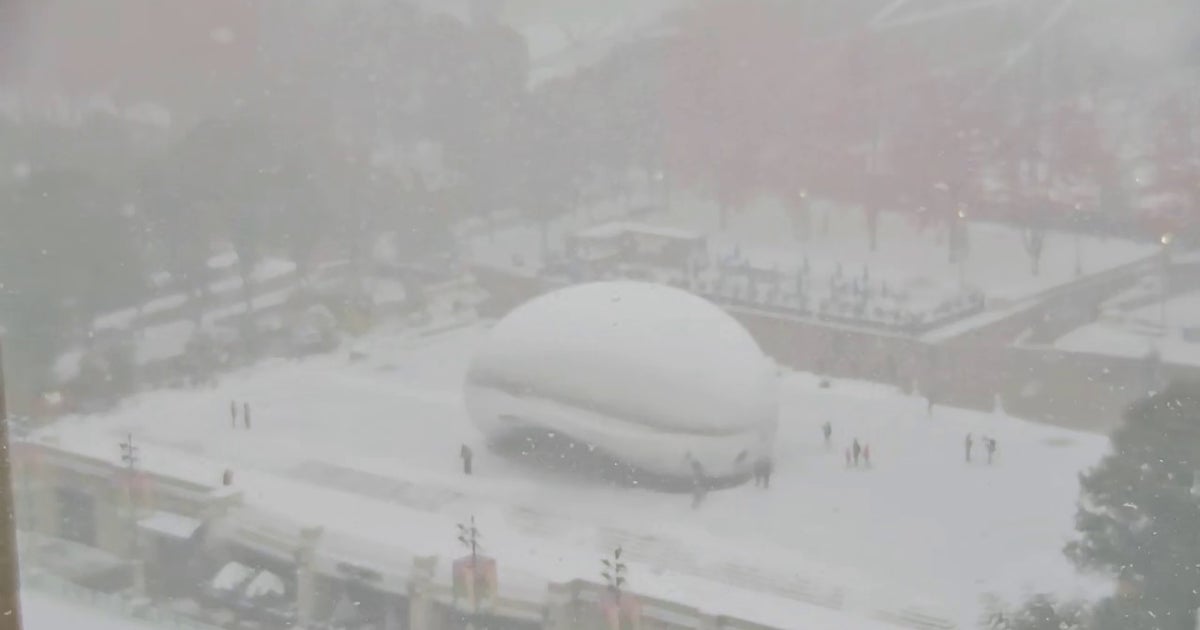
Chicago experienced significant winter weather on January 14th, 2026, leading to a temporary ground stop at O’Hare International Airport and a snow squall warning for several counties in Illinois and Indiana. This wasn’t just a light dusting; conditions rapidly deteriorated, impacting travel and daily life. This article provides a thorough overview of the event, going beyond the initial reports to explain the science behind snow squalls, the impact on air travel, safety precautions, and what to expect from lake-affect snow in the region.
What Happened: A Timeline of the Event
The disruption began early wednesday morning. Here’s a breakdown of the key events:
- 7:15 AM – 8:45 AM CST: The Federal Aviation Administration (FAA) issued a ground stop for departures from O’Hare Airport due to hazardous weather conditions. This means all planes scheduled to leave O’Hare were temporarily held on the ground.
- Throughout the Morning: Departure delays from O’Hare averaged 15 minutes and continued to increase as the morning progressed.
- 24-Hour Cancellation Rate: By the end of the day, approximately five flights had been canceled at O’Hare. Midway Airport, however, remained largely unaffected.
- Snow Squall Warning: The national Weather Service (NWS) issued a snow squall warning for Cook, Will, Lake (Illinois), Porter, Kankakee, Jasper, and Newton (Indiana) counties, lasting until 9:00 AM CST.
- Rapid Snowfall: Areas like Gurnee and Wadsworth experienced snowfall rates of at least two inches in under two hours as of 7:45 AM CST.
- High Winds & Reduced Visibility: Winds gusted over 50 mph in some locations, significantly reducing visibility and creating perilous whiteout conditions.
Understanding Snow Squalls: More Than Just Heavy Snow
Many people hear “heavy snow” and think of a steady snowfall. Snow squalls are different – and far more dangerous. They are intense, short-lived bursts of heavy snowfall accompanied by strong, gusty winds. Here’s what sets them apart:
- Intensity: Snowfall rates can exceed 1-2 inches per hour.
- Duration: Squalls are typically brief, lasting from a few minutes to a couple of hours.
- Wind: Strong, gusty winds are a defining characteristic, often exceeding 30-40 mph, and capable of creating blizzard-like conditions.
- Visibility: Near-zero visibility is common within a snow squall, making travel extremely hazardous.
The NWS began issuing snow squall warnings in 2018 to specifically address the dangers of these localized,but intense,winter storms. They are often formed when cold air passes over relatively warmer water, picking up moisture and creating convective snow showers. Think of it like a summer thunderstorm, but with snow rather of rain.
Impact on Air Travel: Why Ground Stops Happen
Ground stops are a critical safety measure implemented by the FAA when weather conditions pose a risk to flight operations. Several factors contributed to the O’Hare ground stop:
- De-icing Capacity: Heavy snowfall requires aircraft to be de-iced before takeoff to ensure proper lift and control. A high volume of flights needing de-icing can quickly overwhelm airport resources.
- Reduced Visibility: Pilots need clear visibility for takeoff and landing. Snow squalls drastically reduce visibility, making it unsafe to operate.
- Runway Conditions: snow and ice accumulation on runways can affect braking and steering, requiring crews to clear them continuously.
- Air Traffic Control: Managing air traffic safely becomes significantly more challenging in adverse weather conditions.
The FAA prioritizes safety above all else. A ground stop allows them to manage the flow of air traffic and ensure that aircraft can operate safely once conditions improve. delays are frustrating, but far preferable to risking an accident.
Lake-Effect Snow: The ongoing Threat
The weather system impacting Chicago wasn’t just a one-time snow squall. Lake-effect snow was also a significant factor, and continued to be a concern for the following day. Lake-effect snow occurs when cold, dry air moves over the relatively warmer waters of the Great Lakes. The moisture picked up from the lake is then lifted and cooled,resulting in localized,heavy snowfall.
As of January 14th, 2026:
- Porter County, Indiana: Under a Winter Weather Advisory.
- laporte and Berrien Counties (Michigan): Under a Winter Storm warning, indicating more significant snowfall and hazardous travel conditions.
Travel in these areas was expected to be difficult for both January 14th and 15th. The heaviest lake-effect snow bands tend to be narrow and can change location rapidly, making forecasting challenging.
Staying Informed and Safe
Here’s how to stay informed and safe during winter weather events:
- Check Flight Status: Before heading to the airport, always check your flight status with your airline. The O’Hare Airport Flight Status page and Midway Airport Flight Status page are also valuable resources.
- National Airspace System Status: Monitor the National Airspace System Status website for broader air traffic updates.
- National Weather Service: Stay updated with the latest forecasts and warnings from the National Weather Service.
- Road Conditions: Check road conditions before traveling. The Illinois Department of Transportation (IDOT) and Indiana Department of Transportation (INDOT) provide real-time traffic facts.
- Winter Weather Safety Kit: If you must travel, carry a winter weather safety kit in your vehicle, including a flashlight, blankets, snacks, water, a first-aid kit, and a shovel.
Key Takeaways
* Snow squalls are intense,short-lived snowstorms with dangerous conditions.
* Ground stops at airports are implemented for safety during adverse weather.
* Lake-effect snow can create prolonged and localized heavy snowfall.
* Staying informed and prepared is crucial during winter weather events.
The January 14th, 2026, winter weather event served as a reminder of the power of winter storms and the importance of preparedness. As climate change continues to influence weather patterns,we can expect to see more frequent and intense winter weather events. Staying informed, planning ahead, and prioritizing safety will be essential for navigating these challenges.
