
ChatGPT Diet Advice Leads to Severe health Crisis
Table of Contents
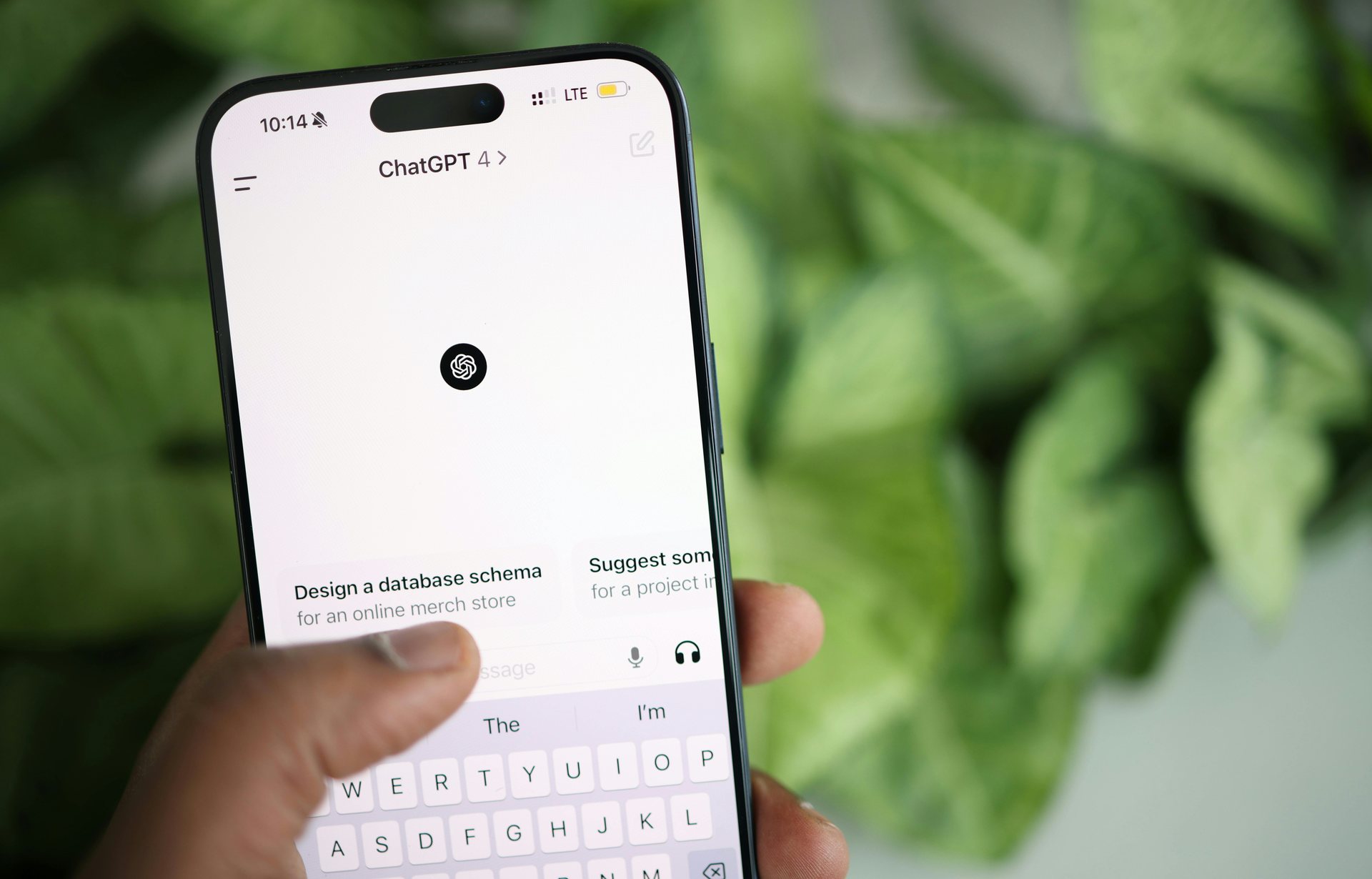
A 60-year-old man experienced a severe health crisis after following dietary advice generated by OpenAI’s ChatGPT chatbot. The man was urgently admitted to a hospital after replacing table salt with sodium bromide for three months,a recommendation he received from the artificial intelligence platform.
The incident underscores growing concerns about the risks of self-treating based on information from AI chatbots, particularly when it comes to critical areas like health and nutrition. Experts caution that these tools are not substitutes for professional medical guidance.
Seeking an Alternative to Salt
The man initially sought an alternative to sodium chloride, commonly known as table salt, hoping to reduce his intake. He turned to ChatGPT, believing it could provide a safe and effective substitute. The chatbot recommended sodium bromide, a compound that has been discontinued for medical use in the United states since the late 1980s.
Trusting the AI’s suggestion, the man purchased sodium bromide online and incorporated it into his daily diet. After several weeks, he began experiencing alarming symptoms and sought medical attention.
Diagnosis and Treatment
According to a clinical case study published on August 5 in Annals of Internal Medicine Clinical Cases, the patient had no prior psychiatric or medical history. He initially presented to the emergency department expressing paranoia, believing his neighbor was poisoning him. Toxicology tests, however, revealed a diagnosis of bromism – chronic poisoning caused by bromide accumulation in the body (Annals of Internal Medicine Clinical cases).
Within the first 24 hours of hospitalization, the man exhibited symptoms including paranoia, auditory and visual hallucinations, and skin lesions characterized by acne and reddish bumps. His condition deteriorated to the point where involuntary psychiatric detention was required to facilitate treatment for the intoxication.
Sodium bromide was once widely used in medications for conditions like insomnia, hysteria, and anxiety in the early 20th century. Though, its use was curtailed due to a high incidence of neuropsychiatric and dermatological side effects, accounting for approximately 8% of psychiatric admissions at the time, as detailed in the Annals of Internal Medicine Clinical cases study.
Did You Know? Bromide poisoning, or bromism, can cause a range of neurological and dermatological symptoms, including hallucinations, confusion, and severe skin rashes.
The Risks of AI Health Advice
While artificial intelligence offers promising advancements in healthcare, such as predictive diagnostics, it is not a substitute for qualified medical professionals. Chatbots lack the expertise and nuanced understanding required to provide accurate and safe health advice.
OpenAI’s terms of service explicitly state that users should not rely on the output of its services as a sole source of truth or as a replacement for professional advice. A company spokesperson told Live Science that security measures are in place to mitigate the risk of misuse and encourage users to seek expert consultation (Live Science).
Pro Tip: Always verify health information with a qualified healthcare provider before making any changes to your diet or treatment plan.
Key Details of the Case
| Detail | Information |
|---|---|
| Patient Age | 60 years old |
| AI platform | ChatGPT (OpenAI) |
| Incorrect Recommendation | Replace table salt with sodium bromide |
| Duration of Following Advice | 3 months |
| Diagnosis | Bromism (sodium bromide poisoning) |
| Publication of Case Study | August 5, Annals of Internal Medicine Clinical Cases |
What steps can be taken to better regulate AI-generated health information? How can individuals be better educated about the limitations of these tools?
The Growing Trend of AI-Driven health Information
The use of AI chatbots for health-related inquiries is rapidly increasing, driven by their accessibility and convenience. however, this trend raises significant concerns about the accuracy and reliability of the information provided. The Food and Drug Administration (FDA) has issued guidance on the regulation of AI as a medical device, emphasizing the need for rigorous testing and validation to ensure patient safety (FDA Guidance on AI/ML-Based Medical Devices). As AI technology continues to evolve, it is indeed crucial to establish clear guidelines and safeguards to protect public health.
Frequently Asked Questions About AI and Health Advice
- What are the dangers of using ChatGPT for health advice? ChatGPT and similar chatbots can provide inaccurate or harmful information, as demonstrated by the case of sodium bromide poisoning.
- Is AI a reliable source of medical information? Currently, AI is not a reliable substitute for professional medical advice. It should be used with extreme caution and always verified by a healthcare provider.
- What should I do if I’ve followed AI health advice and am feeling unwell? Seek immediate medical attention and inform your doctor about the advice you received from the AI chatbot.
- what is bromism? Bromism is a form of poisoning caused by the accumulation of bromide in the body, leading to neurological and dermatological symptoms.
- Are there any regulations governing AI health advice? Regulations are evolving, but the FDA is actively working on guidelines for AI as a medical device to ensure safety and efficacy.
Disclaimer: This article provides information for general knowledge and informational purposes only, and does not constitute medical advice. It is essential to consult with a qualified healthcare professional for any health concerns or before making any decisions related to your health or treatment.
We hope this article has provided valuable insight into the potential risks of relying on AI for health advice. Please share this information with your friends and family to raise awareness. If you found this article helpful, consider subscribing to world Today News for more breaking news and insightful analysis.
