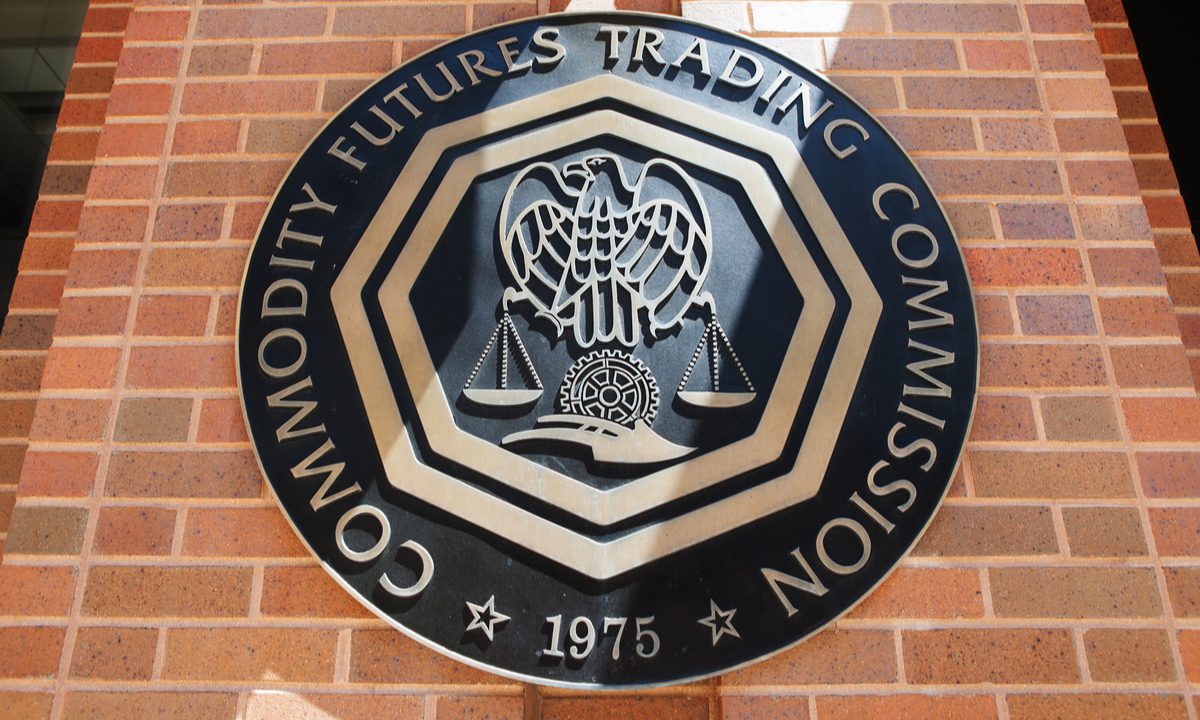
CFTC Names Members of New Innovation Task Force
CFTC Chairman Michael S. Selig has launched the Innovation Task Force (ITF) to establish definitive regulatory frameworks for AI, crypto assets and prediction markets within U.S. Derivatives markets. Led by Michael J. Passalacqua, the unit integrates internal CFTC staff and private-sector legal experts to provide “clear rules of the road” for American innovators.
The persistent regulatory vacuum surrounding autonomous systems and event contracts has created a high-risk environment for institutional capital. For too long, the industry has operated in a gray zone, where the lack of codified rules forces firms to guess at compliance. This ambiguity is a fiscal liability. To navigate this transition, B2B entities are increasingly relying on specialized regulatory compliance firms to shield their operations from sudden enforcement actions while the ITF builds its framework.
Bridging the Gap Between Wall Street and Washington
The roster of the Innovation Task Force, finalized on April 10, 2026, signals a strategic pivot toward private-sector integration. The CFTC isn’t just relying on internal bureaucrats; it is importing the very legal minds that have spent years defending fintech firms in the trenches. The appointment of five senior advisors creates a hybrid intelligence unit capable of translating complex code into enforceable policy.
Hank Balaban and Eugene Gonzalez IV bring the heavy artillery of “Big Law,” having practiced at Latham & Watkins and Sidley Austin, respectively. Their experience in Digital Asset, Emerging Companies, and Blockchain practice groups suggests the ITF will prioritize the scalability of crypto assets over mere restriction. Sam Canavos, formerly of Patomak Global Partners, adds a layer of strategic consultancy, ensuring the task force understands how regulatory shifts impact firm-level decision-making.
The internal balance is maintained by Mark Fajfar from the Office of the General Counsel and Dina Moussa from the Market Participants Division. This pairing of external agility and internal institutional knowledge is designed to prevent the “regulatory lag” that typically plagues government agencies attempting to oversee high-velocity tech.
The era of regulation by enforcement is hitting a wall.
The Three-Pronged Regulatory Shift
According to the March 24 press release and subsequent announcements, the ITF is not a generalist body. It is a targeted strike team focusing on three specific vectors of market evolution that have previously lacked a cohesive playbook. This precision is necessary because a “one size fits all” approach to innovation usually results in a “one size fits none” outcome for the markets.
- Crypto Assets and Blockchain Technologies: The task force is accelerating a crypto policy push to move beyond the current fragmented landscape. By developing a clear regulatory framework, the CFTC aims to provide the certainty required for larger institutional liquidity providers to enter the space without fearing retroactive penalties.
- Artificial Intelligence and Autonomous Systems: The focus here is on “responsible technological progress.” As AI-driven trading algorithms become more autonomous, the risk of flash crashes and systemic instability increases. The ITF is tasked with creating rules that ensure market integrity without stifling the competitive edge provided by machine learning.
- Prediction Markets and Event Contracts: Once a niche interest, prediction markets are moving into the mainstream. The ITF is working to legitimize event contracts, transforming them from speculative curiosities into recognized financial instruments with clear “rules of the road.”
This systemic overhaul creates an immediate demand for corporate law firms capable of interpreting these emerging rules in real-time for their clients.
The Innovation Tracker and the Transparency Mandate
Transparency is the primary currency of market stability. On April 9, 2026, Chairman Selig launched the Innovation Tracker, a digital spotlight designed to showcase the agency’s initiatives in real-time. The tracker is more than a PR tool; it is a signal to the markets that the CFTC is attempting to synchronize its pace with the speed of technological innovation.
Selig’s public commitment to “advance regulatory clarity” suggests a shift in the agency’s DNA. By highlighting the function done under his leadership, Selig is positioning the CFTC as a facilitator of innovation rather than a bottleneck. This shift is critical for firms building novel products in the derivatives space who have historically viewed the regulator as an adversary.
Michael J. Passalacqua echoed this sentiment in a recent post on X, emphasizing the value of pairing CFTC expertise with experience from the Blockchain Association and the DeFi Education Fund. This openness to external, often critical, voices indicates that the ITF may be more flexible than previous regulatory bodies.
Clarity is the ultimate catalyst for capital deployment.
As the ITF begins its work, the immediate fiscal pressure shifts to the firms themselves. The transition from a lawless environment to a regulated one often reveals hidden liabilities in a company’s operational structure. We are seeing a surge in firms engaging fintech consultancy services to audit their autonomous systems and crypto-custody protocols before the novel rules are codified into law.
The trajectory of the U.S. Derivatives market is now tethered to the efficiency of the Innovation Task Force. If the ITF succeeds in delivering a pragmatic framework, the U.S. Will cement its position as the global hub for AI-driven finance and blockchain integration. If it fails, the “innovators” Selig speaks of will simply move their capital to jurisdictions with more predictable rules. The coming fiscal quarters will determine whether the CFTC can actually keep pace with the machines it seeks to regulate.
For executives seeking to navigate these shifting sands, the World Today News Directory remains the premier resource for finding vetted B2B partners, from compliance specialists to top-tier legal counsel, ensuring your firm is prepared for the new rules of the road.