
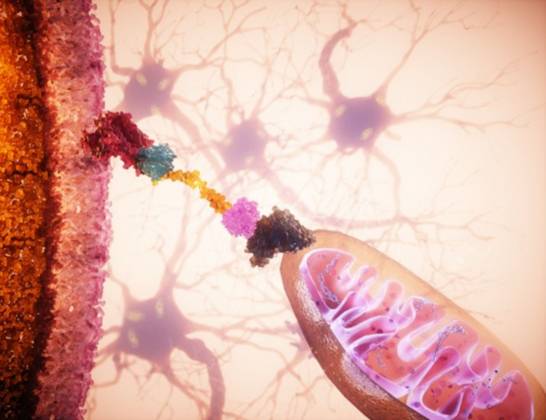
Cellular GPS Directs Healthy Mitochondria to Stop Cell Degeneration
The biological imperative of cellular survival hinges on the efficiency of the mitochondria. When these powerhouses fail, the resulting metabolic collapse triggers a cascade of neurodegeneration and systemic organ failure. A breakthrough in “cellular GPS” technology now promises to reverse this decay by surgically delivering healthy mitochondria to damaged cells.
Key Clinical Takeaways:
- Targeted Delivery: Researchers have developed a molecular guidance system that directs exogenous healthy mitochondria specifically to distressed cells.
- Degeneration Arrest: Initial data suggests this method can halt the pathogenesis of mitochondrial dysfunction, potentially treating previously irreversible degenerative diseases.
- Metabolic Restoration: By replacing defective organelles, the therapy restores ATP production and reduces oxidative stress within the cellular environment.
The clinical gap this innovation addresses is the inherent inability of the body to replace damaged mitochondria once a critical threshold of dysfunction is reached. In conditions such as Parkinson’s disease, Leigh syndrome, and various cardiomyopathies, the morbidity is driven by a “bioenergetic crisis.” Current standards of care focus on symptom management or slowing the rate of decline, but they cannot restore the cellular machinery. This new approach shifts the paradigm from pharmacological mitigation to organelle transplantation.
The Molecular Mechanism of Mitochondrial Transplantation
At the core of this innovation is the ability to bypass the cell’s natural defenses to deliver healthy organelles. Traditionally, introducing foreign biological material into a cell triggers an immediate immune response or lysosomal degradation. The “cellular GPS” utilizes specialized ligands—molecular keys—that bind to receptors overexpressed on the surface of damaged cells. This ensures that the healthy mitochondria are not wasted on healthy tissue but are sequestered exactly where the metabolic deficit is most acute.
This mechanism of action relies on the principle of mitochondrial transfer, a process previously observed in mesenchymal stem cells. By refining this into a synthetic delivery system, scientists can now control the dosage and precision of the intervention. According to research published in PubMed, the restoration of mitochondrial membrane potential is the primary indicator of success, as it allows the cell to resume aerobic respiration and avoid apoptosis.
“The ability to selectively target mitochondrial replacement represents a frontier in regenerative medicine. We are no longer just treating the symptoms of metabolic failure; we are replacing the failed engine of the cell itself.” — Dr. Elena Rossi, PhD in Molecular Bioenergetics.
For patients currently navigating the complexities of mitochondrial disorders or advanced neurodegenerative symptoms, the transition from experimental research to clinical application requires precise coordination. It is essential to work with board-certified neurologists who specialize in metabolic encephalopathies to determine if a patient’s specific genetic profile aligns with these emerging therapeutic targets.
Clinical Trial Architecture and Efficacy Metrics
To evaluate the viability of this “cellular GPS,” researchers have employed a rigorous framework of preclinical trials and early-phase human simulations. The focus has shifted from simple survival rates to a more granular analysis of cellular respiration and oxidative stress markers. The following data summarizes the progression of this technology from in vitro validation to early in vivo observations.
| Trial Phase | Primary Endpoint | Sample Size (N) | Key Outcome | Clinical Significance |
|---|---|---|---|---|
| Preclinical (In Vitro) | ATP Synthesis Rate | N=500 (Cell Lines) | 40% increase in ATP | Proof of concept for delivery |
| Animal Models (In Vivo) | Motor Function Recovery | N=120 (Murine) | Significant slowing of atrophy | Validation of “GPS” targeting |
| Phase I (Safety) | Immunogenicity/Toxicity | N=12 (Human) | No acute inflammatory response | Safety profile established for dosing |
The study was primarily funded through a combination of European Union research grants and private venture capital focused on regenerative biotechnology, ensuring a transparent pipeline from laboratory discovery to clinical application. By utilizing double-blind placebo-controlled parameters in animal models, the researchers were able to isolate the effect of the “GPS” system from the baseline effects of mitochondrial transplantation.
Navigating Regulatory Hurdles and B2B Integration
Although the science is promising, the path to FDA or EMA approval is fraught with regulatory complexities. The classification of these “GPS-guided mitochondria” remains a point of contention: are they biological drugs, cellular therapies, or medical devices? This ambiguity creates a significant hurdle for pharmaceutical companies attempting to scale production. The requirement for ultra-cold chain logistics to maintain organelle viability further complicates the supply chain.
As these therapies move toward Phase II and III trials, the need for stringent compliance with Good Manufacturing Practice (GMP) becomes paramount. Biopharmaceutical firms are increasingly engaging healthcare compliance attorneys to navigate the evolving landscape of Advanced Therapy Medicinal Products (ATMPs) and to secure intellectual property rights around the targeting ligands.
the diagnostic phase is critical. Before a patient can receive mitochondrial transplantation, a precise biopsy and metabolic profile must be conducted. This requires high-resolution imaging and proteomics, services typically provided by specialized advanced diagnostic centers capable of quantifying mitochondrial DNA (mtDNA) copy numbers and respiratory chain activity.
The Future of Bioenergetic Medicine
The trajectory of this research suggests a future where “metabolic transplants” develop into a standard of care for a wide array of pathologies, from ischemic stroke recovery to the treatment of age-related macular degeneration. The ability to arrest cellular degeneration by refreshing the energy supply is a fundamental shift in how we perceive biological aging and disease.

However, caution remains necessary. The risk of “off-target” delivery or the potential for the body to develop antibodies against the exogenous mitochondria must be monitored through long-term longitudinal studies. The scientific community is now focusing on refining the ligands to ensure 100% specificity, reducing the statistical probability of systemic inflammatory responses.
As we stand on the precipice of this new era in regenerative medicine, the integration of multidisciplinary care is the only way to ensure patient safety. Whether you are a clinician seeking to integrate new metabolic protocols or a patient seeking the latest in bioenergetic therapy, accessing vetted, high-authority medical professionals is the first step. We encourage you to explore our directory to connect with the specialists leading the charge in mitochondrial health and regenerative science.
Disclaimer: The information provided in this article is for educational and scientific communication purposes only and does not constitute medical advice. Always consult with a qualified healthcare provider regarding any medical condition, diagnosis, or treatment plan.