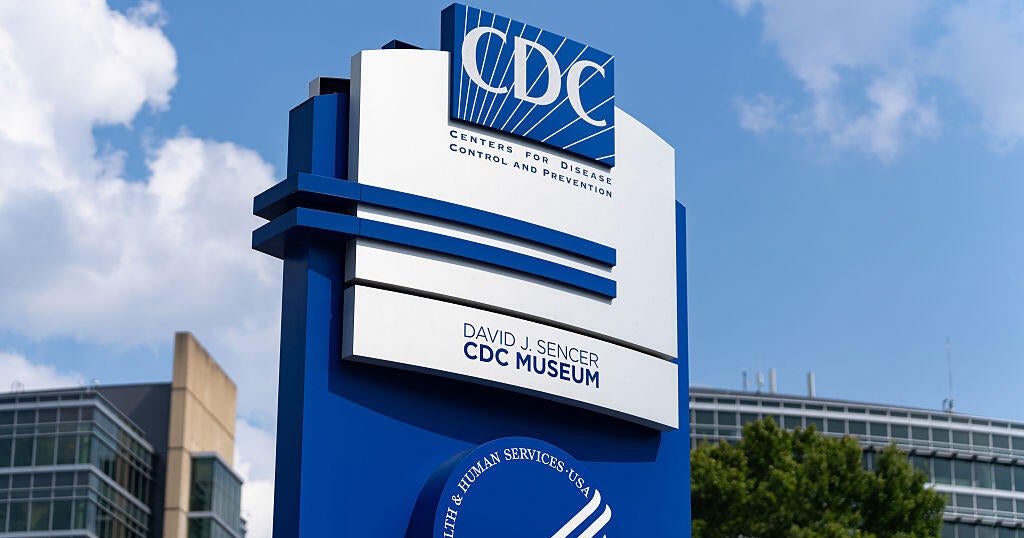
CDC Employee Allegedly Misused Credit Card and Invoice Systems
Gwendolyn Brandon, a 43-year-old former CDC supervisor from Cumming, Georgia, pleaded guilty to theft of government funds after embezzling $190,461.50 through a fraudulent invoice scheme. Between August 2023 and February 2025, Brandon exploited internal credit card and payment systems, directing subordinates to authorize payments for fabricated vendor services.
The Erosion of Internal Controls
At the intersection of public sector administration and fiscal integrity, Brandon’s actions represent a systemic failure in internal auditing protocols. By leveraging her position of authority to bypass standardized procurement checks, she effectively weaponized the remarkably systems designed to facilitate operational efficiency. This breach highlights a chronic vulnerability: the reliance on human-centric approval chains without sufficient automated reconciliation.
For the enterprise, the cost of such lapses extends far beyond the stolen principal. When internal controls fail to detect fraudulent outflows over an 18-month window, the resulting reputational damage and the subsequent need for forensic accounting can cripple mid-market operations. Organizations facing similar exposure must prioritize robust financial auditing and internal control assessments to mitigate the risk of employee-driven asset misappropriation.
Quantifying the Cost of Operational Deception
The mechanics of the fraud involved at least 46 distinct invoices, ranging from $2,230 to $9,970. By segmenting these transactions, Brandon avoided the heightened scrutiny typically triggered by larger, singular capital expenditures. This “salami slicing” technique is a hallmark of internal fraud, designed to fly beneath the radar of standard anomaly detection algorithms.

Institutional investors and enterprise leaders remain acutely aware that such incidents are not merely criminal matters but indicators of poor capital allocation oversight. As U.S. Attorney Theodore S. Hertzberg noted, the defendant “brazenly exploited her position of public trust by fabricating invoices.” The financial fallout, while measured in the hundreds of thousands of dollars, signals a deeper need for improved enterprise risk management frameworks capable of flagging erratic invoice patterns in real-time.
“The transition from a trusted employee to a fraudster is often enabled by the very systems that should prevent it. When procurement workflows lack segregated duties, the temptation for embezzlement rises exponentially, regardless of the organization’s size or sector.” — Senior Financial Risk Consultant
The Regulatory and Legal Aftermath
With a sentencing hearing scheduled for September 3, 2026, before U.S. District Judge Steven D. Grimberg, the case enters its final adjudicatory phase. Brandon’s plea agreement mandates her resignation and a permanent prohibition from federal employment or future government contracting. This outcome serves as a harsh reminder of the legal consequences for those who compromise fiduciary duties.
The broader market implication is the inevitable tightening of procurement compliance standards. Federal agencies and private corporations alike are shifting toward more rigid, automated verification systems to prevent the exploitation of credit card processing channels. Companies that fail to adapt their corporate legal compliance infrastructures to meet these heightened standards risk not only theft but significant regulatory penalties and loss of contractual eligibility.
Strategic Implications for Modern Procurement
The following table outlines the key vulnerabilities exploited in this incident and the corresponding defensive measures that organizations must implement to maintain fiscal liquidity and operational integrity:

| Vulnerability | Impact on Liquidity | Required Mitigation |
|---|---|---|
| Over-reliance on manual approvals | High; enables unchecked outflows | Automated, multi-tier authorization |
| Lack of vendor verification | Moderate; facilitates fake invoicing | Real-time vendor credentialing |
| Inadequate transaction monitoring | High; delays detection of fraud | AI-driven anomaly detection |
Looking toward the next fiscal quarter, the focus for management must remain on the hardening of internal supply chain and procurement systems. The case of the CDC supervisor underscores the reality that capital preservation is as vital as revenue generation. As the market environment becomes increasingly volatile, firms that fail to secure their back-office operations will find themselves susceptible to the same internal weaknesses that compromised these government funds. Identifying the right partners to fortify these systems is the defining challenge for leadership in the coming months. Navigate our business consulting directory to connect with the firms necessary to insulate your enterprise from these operational risks.