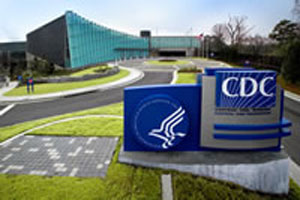
CDC Deactivates Emergency Response for Zika Virus
The Centers for Disease Control and Prevention deactivated its emergency response for the Zika virus on September 29, 2017, shifting agency efforts from an acute crisis command to routine long-term public health programming, according to an agency press release. Activated initially on January 22, 2016, the Emergency Operations Center managed federal coordination against the virus and its devastating effects during pregnancy.
- The CDC formally transitioned the Zika response from its high-level Emergency Operations Center to standard program operations on September 29, 2017.
- A specialized agency group named the Zika Coordination and Operations Transition Team took over long-term scientific, communication, and policy coordination.
- Federal health officials emphasize that deactivation does not signal the elimination of risk, as travel-associated cases and potential local transmission persist.
The Shift from Emergency Operations to Routine Surveillance
The deactivation of the command center ends a period of intense crisis management. According to operational summaries from the CDC, the command center functions as the agency’s primary coordination hub during major public health threats, mirroring deployments previously established during the 2009 H1N1 influenza pandemic and the 2014 Ebola outbreak.
To manage the handoff without losing surveillance continuity, the agency established the Zika Coordination and Operations Transition Team. This multi-disciplinary group coordinates ongoing scientific studies, policy updates, and provider communications.
Public health officials stress that closing the emergency command structure does not mean the virus has ceased to circulate globally or domestically. According to federal assessments, the continental United States and Hawaii remain exposed to travel-associated infections brought by individuals visiting countries and territories with risk of Zika transmission. The underlying biological risk—particularly the association between viral exposure during gestation and devastating consequences—remains an active clinical concern.
Expectant mothers are still advised to avoid travel to regions with active transmission risks. Individuals planning travel to affected areas must maintain rigorous barrier protection and mosquito avoidance strategies.
Future Trajectory of Vector-Borne Surveillance
Ensuring that affected families receive continuous developmental support requires close collaboration between state health departments and clinical networks.
*Disclaimer: The information provided in this article is for educational and scientific communication purposes only and does not constitute medical advice. Always consult with a qualified healthcare provider regarding any medical condition, diagnosis, or treatment plan.*