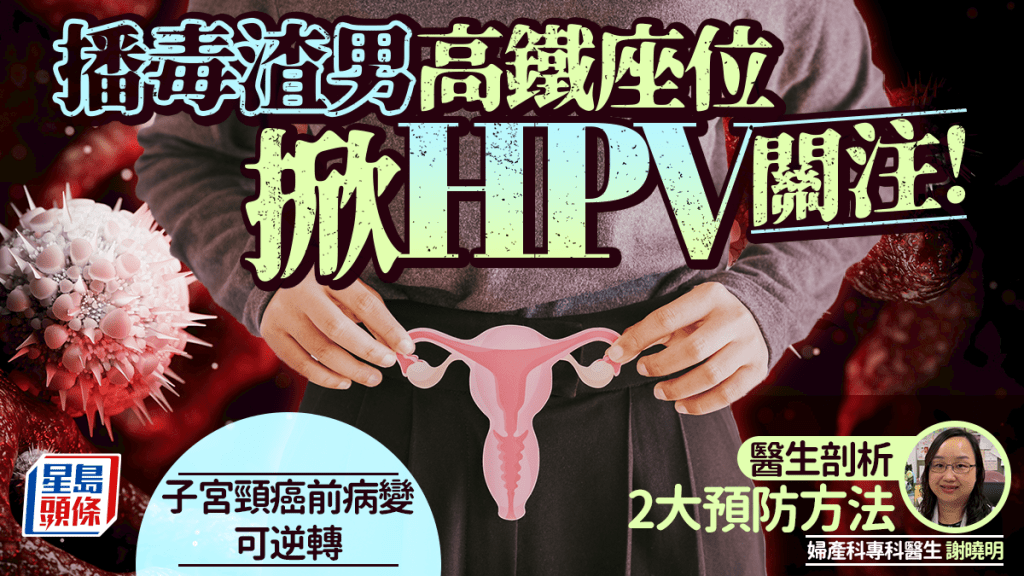
Specialists say HPV risk from public transit seats is exceptionally low
Following a widely publicized case in Hong Kong involving a man accused of deliberately concealing a human papillomavirus infection from his partners, public anxiety surged regarding how the virus transmits, with viral internet claims specifically targeting high-speed rail seats as a primary vector.
- HPV does not spread easily through casual social contact, restrooms, or public transit seats, according to clinical clarifications issued by specialists.
- Transmission occurs primarily via direct skin-to-skin contact during intimate sexual acts, independent of whether penetrative intercourse takes place.
- Prevention relies on established public health measures, specifically routine cervical screening and vaccination before the onset of sexual activity.
Medical Specialists Clarify Low Risk of Casual Public Transit Transmission
According to evaluations, the risk of contracting HPV from shared gym equipment, toilet seats, handshakes, hugs, or kissing is exceptionally low, meaning the public does not need to panic over rumors concerning high-speed rail seating.
Instead, the pathogen spreads predominantly through direct skin-to-skin contact during intimate relations, including vaginal, anal, and oral sex. Even without full insertion, close genital contact carries a transmission risk. Because the infection initially presents without symptoms, individuals with a history of sexual activity face a baseline risk of exposure, relying on their immune systems to clear the virus naturally.
Viral Genotypes and Risk Factors for Persistent Infection
The virus family comprises over 100 genetic strains, with roughly 40 known to infect the reproductive organs. Clinically, these strains split into high-risk variants, such as HPV types 16 and 18, which drive cervical cell abnormalities and cancer, and low-risk variants like types 6 and 11, which cause genital warts without malignant potential.

While roughly half of all infected individuals clear the pathogen through normal immune function, certain physiological and lifestyle variables obstruct this clearance. Persistent retention of high-risk strains occurs more frequently among individuals experiencing chronic psychological stress, tobacco smokers, those who commenced sexual activity at an early age, individuals with multiple partners, patients managing concurrent sexually transmitted infections, and those with chronic vaginal inflammation.
Screening Protocols and Surgical Interventions for Precancerous Lesions
Sustained infection with high-risk viral strains can cause cervical intraepithelial neoplasia, a precancerous cellular change that typically takes years to develop into cervical cancer. Clinical classification divides these lesions into three distinct grades. For mild lesions, known as CIN 1, monitoring via regular follow-up visits suffices when immune clearance is anticipated, though patients may also utilize localized non-invasive vaginal sprays designed to support local immune responses.
For moderate to severe cellular anomalies, medical teams most commonly perform a loop electrosurgical excision procedure. This outpatient micro-surgical intervention utilizes a specialized staining liquid to outline the affected boundaries before a fine wire loop removes the compromised tissue. While the procedure carries a slight statistical increase in subsequent cervical laxity or miscarriage risks, monitoring cervical length throughout gestation generally ensures safe outcomes for future pregnancies.
Vaccination and Screening Guidelines as Definitive Preventative Measures
Preventative strategies center on intercepting persistent viral activity through two primary modalities: routine cervical screening and prophylactic vaccination. Government guidelines recommend that women undergo cervical smears annually for two consecutive years, transitioning to a three-year interval upon consecutive normal results. Alternatively, combining a smear test with a high-risk viral DNA assay yields an accuracy rate exceeding ninety percent, extending safe screening intervals up to five years in virus-negative cases.
Vaccination prior to sexual debut offers protection exceeding ninety percent against targeted strains, prompting regional health authorities to provide free inoculations for eligible school-aged girls. Clinical observations show the hazards of missed screening, with specialists noting that women over forty who forgo examinations for decades frequently present with advanced disease stages that timely intervention could have entirely prevented.
Disclaimer: The information provided in this article is for educational and scientific communication purposes only and does not constitute medical advice. Always consult with a qualified healthcare provider regarding any medical condition, diagnosis, or treatment plan.