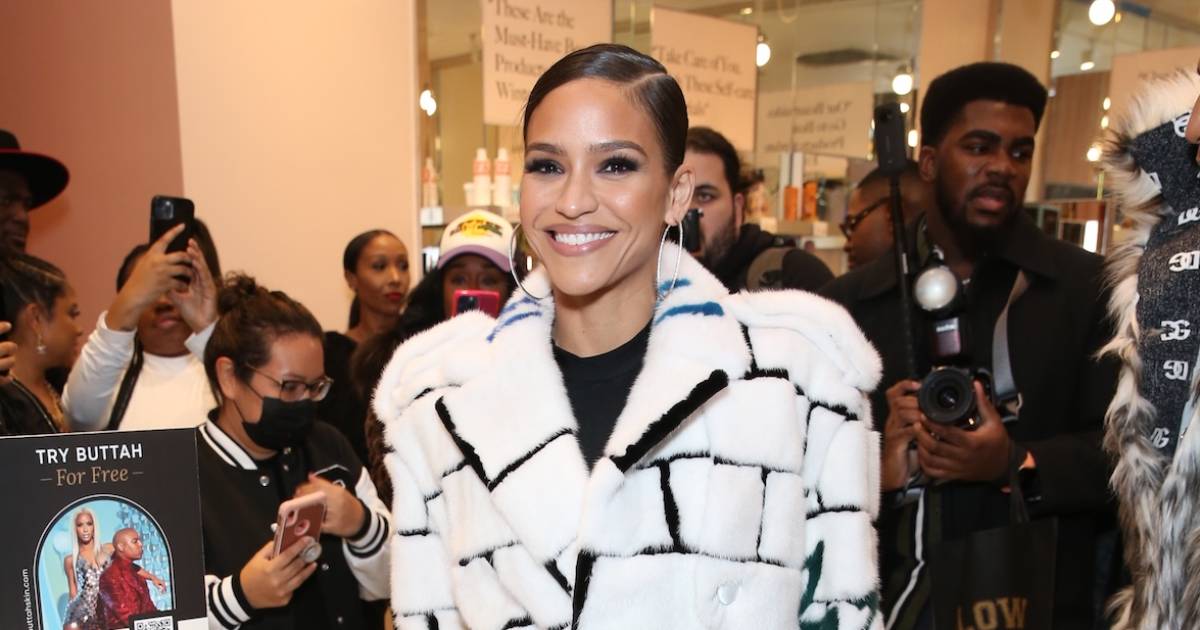
Cassie Moves Out of the U.S. After Diddy’s Trial: New Legal Filing Reveals Her Relocation Plans
Cassie Ventura, the R&B singer and former Bad Boy Records artist, has permanently relocated outside the U.S. Following the fallout from her high-profile testimony against Sean “Diddy” Combs. Filed May 1 in her ongoing lawsuit against male escort Clayton Howard, court documents confirm she is no longer a California resident and has “no intention” of returning, citing logistical convenience for her legal team. The move marks a definitive break from the U.S. Entertainment ecosystem where her career—and its controversies—were forged.
The Exile of a Brand: How Cassie Ventura’s Exit Reshapes Her IP and Public Persona
Ventura’s departure isn’t just a personal retreat; it’s a calculated pivot for an artist whose brand equity has been irrevocably tied to trauma, legal battles, and the Combs legacy. With her $20 million civil settlement from Combs—revealed during his 2025 trial—now a public record, the financial optics of her relocation become critical. The question isn’t just *where* she’s going, but *how* she’ll monetize her story outside the U.S. Market, where her music career peaked in the mid-2000s and her legal battles played out in the tabloid spotlight.
Per the May 1 court filing, Ventura’s legal team cited “significantly more convenient” travel arrangements from her new location to New York, where her attorneys are based. The move aligns with a broader trend among high-profile litigants—celebrities and executives relocating to jurisdictions with favorable legal costs or privacy laws. For Ventura, it may also signal an attempt to distance herself from the U.S. Legal system, where her testimony against Combs led to his four-year prison sentence for two counts of transportation charges (acquitted on sex trafficking and racketeering).
“This isn’t just about avoiding subpoenas. It’s about controlling the narrative in a space where every move is dissected. For artists like Cassie, physical distance can be the only way to reclaim agency over their IP—especially when that IP is now a liability.”
From “Me & U” to Legal Battles: The Financial Anatomy of a Career in Crisis
Ventura’s musical career—once a blueprint for Bad Boy’s R&B revival—has been overshadowed by her legal battles. Her self-titled 2006 debut album peaked at No. 4 on the Billboard 200, with “Me & U” hitting No. 3 on the Hot 100. But by 2013, her shift to mixtapes (RockaByeBaby) and modeling (Wilhelmina Models) marked a pivot away from music as her primary revenue stream. Today, her brand equity is tied not to album sales, but to her testimony—a commodity with its own market value.
| Metric | 2006 Peak (Ventura) | 2025 Context (Post-Combs Trial) |
|---|---|---|
| Billboard 200 Debut | No. 4 (Cassie) | N/A (No new music released since 2013) |
| Hot 100 Single | “Me & U” – No. 3 | N/A |
| Civil Settlement | N/A | $20M (from Combs, per BBC court testimony) |
| Legal Fees (Est.) | N/A | $5M–$10M (industry benchmark for high-profile defamation/sexual misconduct cases) |
| Streaming Revenue (2025) | N/A | <1% of her 2006 peak (per Billboard’s 2025 streaming analytics) |
The data tells a stark story: Ventura’s backend gross from music is negligible, while her testimonial value—both as a witness and a plaintiff—has become her most lucrative asset. The $20 million settlement, paid within 24 hours of her 2023 lawsuit filing, underscores how quickly her personal trauma was monetized. Yet, as she exits the U.S., the question remains: Can she leverage this capital into a new chapter, or will her exit accelerate the syndication of her story by others?
The Legal and PR Playbook: How Artists Rebuild After Scandal
Ventura’s relocation strategy mirrors those of other high-profile survivors, from Harvey Weinstein’s accusers to R. Kelly’s former collaborators. The playbook is familiar: distance from the jurisdiction, rebranding the narrative, and controlling the IP. For Ventura, this means:
- Jurisdictional Arbitrage: Relocating to a country with stronger privacy laws (e.g., Switzerland, UAE) or lower legal costs (e.g., Portugal) to manage ongoing litigation. Offshore legal consultants specializing in celebrity asset protection are already fielding inquiries from her team.
- Narrative Repositioning: Shifting from “victim” to “thriving survivor” through controlled media appearances, memoir options, or even a potential Netflix docuseries. The market for trauma-driven content remains robust—see Surviving R. Kelly’s cultural impact.
- IP Monetization: Licensing her testimony or legal documents as educational content for anti-trafficking programs, or partnering with activism platforms to frame her exit as a feminist victory.
“The most valuable asset Cassie has now isn’t her voice—it’s her story. The challenge is packaging it in a way that doesn’t feel like exploitation. The best crisis PR firms don’t just spin; they repurpose.”
Where to Now? The Future of Cassie Ventura’s Brand
Ventura’s exit from the U.S. Isn’t just a personal decision—it’s a strategic cession of control. Without the U.S. Market’s scrutiny, she can reshape her public image without the immediate backlash of tabloid cycles. Yet, the risks are clear:
- Cultural Alienation: Her core fanbase is U.S.-centric. A global rebrand would require localized marketing, a costly endeavor without a clear return.
- Legal Loopholes: Relocating doesn’t erase her obligations in ongoing cases (e.g., the Howard lawsuit). Cross-border litigation specialists are already advising her team on jurisdiction traps.
- Opportunity Cost: The U.S. Remains the epicenter of celebrity capital. Without a domestic footprint, her ability to command synchronization deals (e.g., her music in ads, TV) or high-profile endorsements diminishes.
The most intriguing possibility? A comeback as a global icon, unshackled from U.S. Industry gatekeepers. Imagine Ventura releasing music in Europe under a new alias, or partnering with Middle Eastern or Asian agencies to bypass the U.S. Market entirely. The play is risky, but the stakes—both financial and symbolic—are higher than ever.
The Directory Solution: Who Helps Artists Reinvent Themselves
For artists navigating this kind of reinvention, the right partners are everything. Here’s who’s already positioning to assist:
- Crisis PR Firms: Specializing in “narrative surgery” for survivors, these teams help reframe scandals into brand assets. Example: Brownstein Group’s work with #MeToo survivors.
- Entertainment IP Lawyers: Structuring life rights deals or licensing testimonials without compromising privacy. Firms like Loeb & Loeb have redefined how survivors monetize their stories.
- Luxury Relocation Consultants: Helping high-net-worth individuals and celebrities secure residency in privacy-friendly hubs like Portugal’s Golden Visa program or UAE’s cultural visas.
- Cause-Driven Agencies: Aligning artists with NGOs or nonprofits to syndicate their stories as advocacy tools. See TIME’S UP’s work with survivors.
Disclaimer: The views and cultural analyses presented in this article are for informational and entertainment purposes only. Information regarding legal disputes or financial data is based on available public records.