Case report details Wernicke’s encephalopathy in pregnancy
A 19-year-old pregnant patient admitted to an intensive care unit with prolonged vomiting and altered consciousness experienced Wernicke’s encephalopathy, a life-threatening neurological complication of thiamine deficiency that was initially obscured by concurrent preeclampsia, according to a case report.
-
Key Clinical Takeaways:
- Wernicke’s encephalopathy can emerge during pregnancy due to hyperemesis gravidarum and severe thiamine depletion.
- Overlapping neurological symptoms with preeclampsia and eclampsia frequently delay correct diagnosis and urgent treatment.
- Brain magnetic resonance imaging and immediate intravenous thiamine administration are essential to prevent permanent neurological damage or mortality.
Diagnostic Overlap Between Preeclampsia and Thiamine Deficiency
The patient presented at 24 weeks of gestation with prolonged vomiting, epigastric pain, confusion, and agitation, recording a Glasgow Coma Scale score of 12/15. Clinical examination revealed severe hypertension at 161/95 mmHg, tachycardia at 126 beats per minute, 3+ proteinuria, and laboratory abnormalities including elevated liver enzymes and renal dysfunction. According to the case report, these clinical findings initially directed medical staff toward severe preeclampsia. Because hypertension and neurological symptoms in pregnancy typically prompt investigations for eclampsia or posterior reversible encephalopathy syndrome, clinicians faced a complex diagnostic challenge. The patient’s persistent nystagmus, ataxia, and history of prolonged vomiting ultimately signaled the need to investigate nutritional deficiencies alongside hypertensive disorders.
Brain Imaging Confirms Wernicke's Encephalopathy After Emergency Cesarean Section
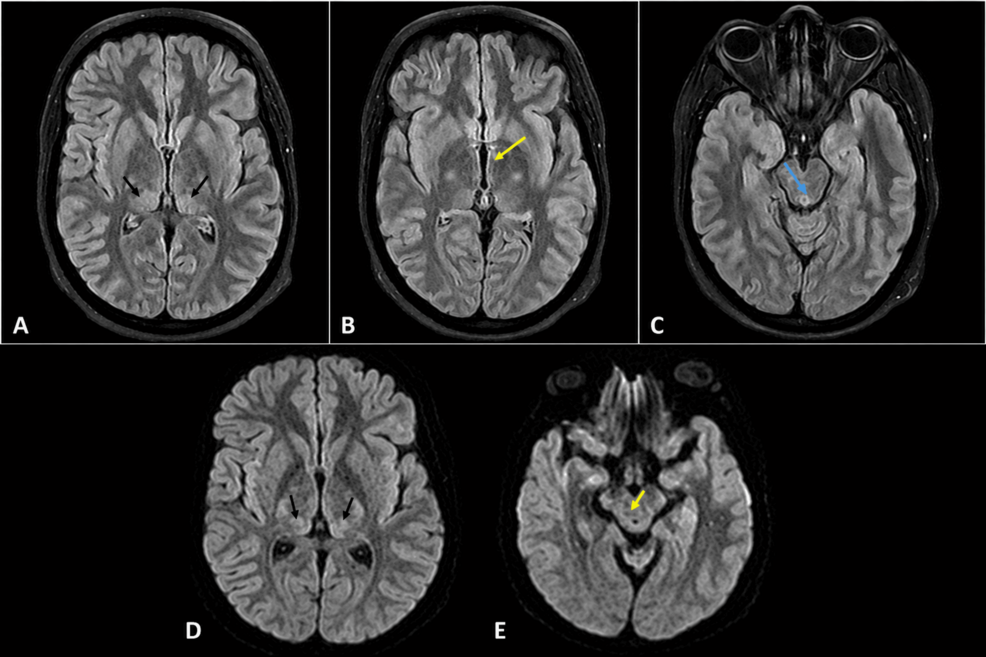
Initial neurological assessments, including a contrast-enhanced brain computed tomography scan, revealed no abnormalities. However, the patient’s neurological condition continued to deteriorate, prompting physicians to perform an emergency termination of the pregnancy via cesarean section. Subsequent brain magnetic resonance imaging displayed symmetrical signal abnormalities in the third ventricle, periaqueductal region, pulvinar, and mammillary bodies. These findings matched the diagnostic criteria for Wernicke’s encephalopathy, a neurological emergency caused by a lack of vitamin B1 that disrupts cerebral energy metabolism. The medical team initiated intravenous thiamine at a dose of 200 to 500 milligrams three times daily for 3-5 days, alongside metabolic correction and nutritional support. Following treatment, the patient’s neurological status and laboratory results recovered completely, allowing for discharge five days later.
Clinical Implications for Gestational Wernicke’s Encephalopathy
Wernicke’s encephalopathy remains a preventable risk factor when caught early, though historical data cited in the medical literature place mortality rates between 20% and 30% when untreated or misdiagnosed. While the condition is classically linked to chronic alcohol use—where prevalence reaches approximately 12.5%—depleted thiamine reserves can develop rapidly during hyperemesis gravidarum due to increased metabolic demands during gestation. European Federation of Neurological Societies guidelines recommend immediate intravenous thiamine administration when the condition is suspected, prior to carbohydrate intake, to prevent permanent neurological sequelae such as Korsakoff’s syndrome. The findings show that clinicians must evaluate pregnant patients presenting with prolonged vomiting and neurological symptoms for thiamine deficiency, even when severe preeclampsia complicates the clinical picture.
Disclaimer: The information provided in this article is for educational and scientific communication purposes only and does not constitute medical advice. Always consult with a qualified healthcare provider regarding any medical condition, diagnosis, or treatment plan.