Case report: Amphetamines caused rhabdomyolysis in two men
Two patients with confirmed amphetamine exposure developed severe rhabdomyolysis and acute kidney injury requiring hemodialysis, according to a case report. The clinical presentations demonstrated massive enzyme elevations, including a creatine kinase level peaking near 950,000 U/L, alongside critical metabolic and cardiovascular complications.
- Amphetamine-associated rhabdomyolysis can trigger severe acute kidney injury (AKI) requiring intensive renal replacement therapy.
- Clinical trajectories vary significantly, ranging from near-complete renal recovery to fatal cardiovascular collapse and metastatic calcification.
- Systematic toxicological screening and the exclusion of alternative traumatic or non-traumatic etiologies are essential for proper diagnosis.
Severe Renal and Metabolic Presentation in Two Clinical Cases
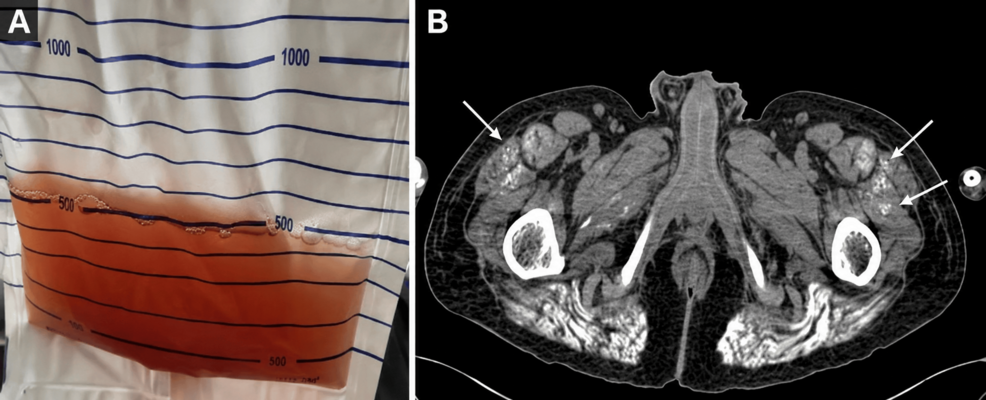
The first patient, a 46-year-old man, presented to the Emergency Department with general malaise, high-grade fever at 40°C, dyspnea, and progressive diffuse myalgia. Initial lab work revealed a serum creatine kinase level of 947,699 U/L, a serum creatinine level of 734 µmol/L, and hyperkalemia at 6.8 mmol/L. Urine toxicology screening confirmed the presence of amphetamines, while clinicians systematically ruled out trauma, strenuous exercise, seizures, and myotoxic medications. Despite eleven intermittent hemodialysis sessions and a significant drop in creatine kinase levels, his renal function remained anuric and severely impaired.
The second patient, a 42-year-old man, was transferred to a nephrology department after presenting with a flu-like syndrome, dark-colored urine, and progressive anasarca. Laboratory results at admission showed a creatine kinase level of 525,796 U/L, an initial serum creatinine level of 544 µmol/L that later climbed to 875 µmol/L, and severe hyperkalemia at 7.5 mmol/L. Urine toxicology screening was similarly positive for amphetamines. After receiving ten intermittent hemodialysis sessions following six prior treatments at a referring hospital, this patient achieved a near-complete recovery of renal function.
Cardiac Function Recovers After Myoglobin and Electrolyte Release
The two cases highlighted distinct cardiovascular and systemic complications stemming from massive myoglobin and electrolyte release. In the first patient, initial cardiac evaluation revealed high-sensitivity cardiac troponin T levels between 62 and 104 ng/L and an NT-proBNP level of 4,120 pg/mL. Transthoracic echocardiography demonstrated moderately impaired left ventricular systolic function with an ejection fraction of 47% and anterior and anteroseptal hypokinesia. A follow-up echocardiogram later showed complete recovery of left ventricular systolic function with an ejection fraction of 57%.
However, the clinical course for the first patient worsened on hospital day 28 when he developed severe corrected hypercalcemia reaching 4.10 mmol/L, following the profound hypocalcemia observed during the initial acute phase. Computed tomography imaging revealed diffuse bilateral muscular calcifications consistent with metastatic muscular calcinosis secondary to the severe rhabdomyolysis. Despite aggressive medical management including intravenous hydration, corticosteroid therapy, and zoledronic acid administration, the patient experienced a cardiac arrhythmia followed by refractory cardiac arrest.
Amphetamine Rhabdomyolysis Causes Acute Kidney Injury
Amphetamine-associated rhabdomyolysis remains an uncommon yet potentially life-threatening condition driven by sympathomimetic effects such as hyperthermia, psychomotor agitation, and intense muscular activity. The massive release of intracellular constituents like myoglobin and potassium leads to acute kidney injury through direct tubular toxicity, intrarenal vasoconstriction, oxidative injury, and tubular obstruction by myoglobin casts. Because the classic triad of myalgia, muscle weakness, and dark urine is inconsistent, clinicians must rely on early toxicological screening and a comprehensive evaluation to eliminate alternative etiologies when confronting unexplained, massive creatine kinase elevations.
Disclaimer: The information provided in this article is for educational and scientific communication purposes only and does not constitute medical advice. Always consult with a qualified healthcare provider regarding any medical condition, diagnosis, or treatment plan.