Canva Expands AI Tools With ChatGPT Integration and Proprietary Models
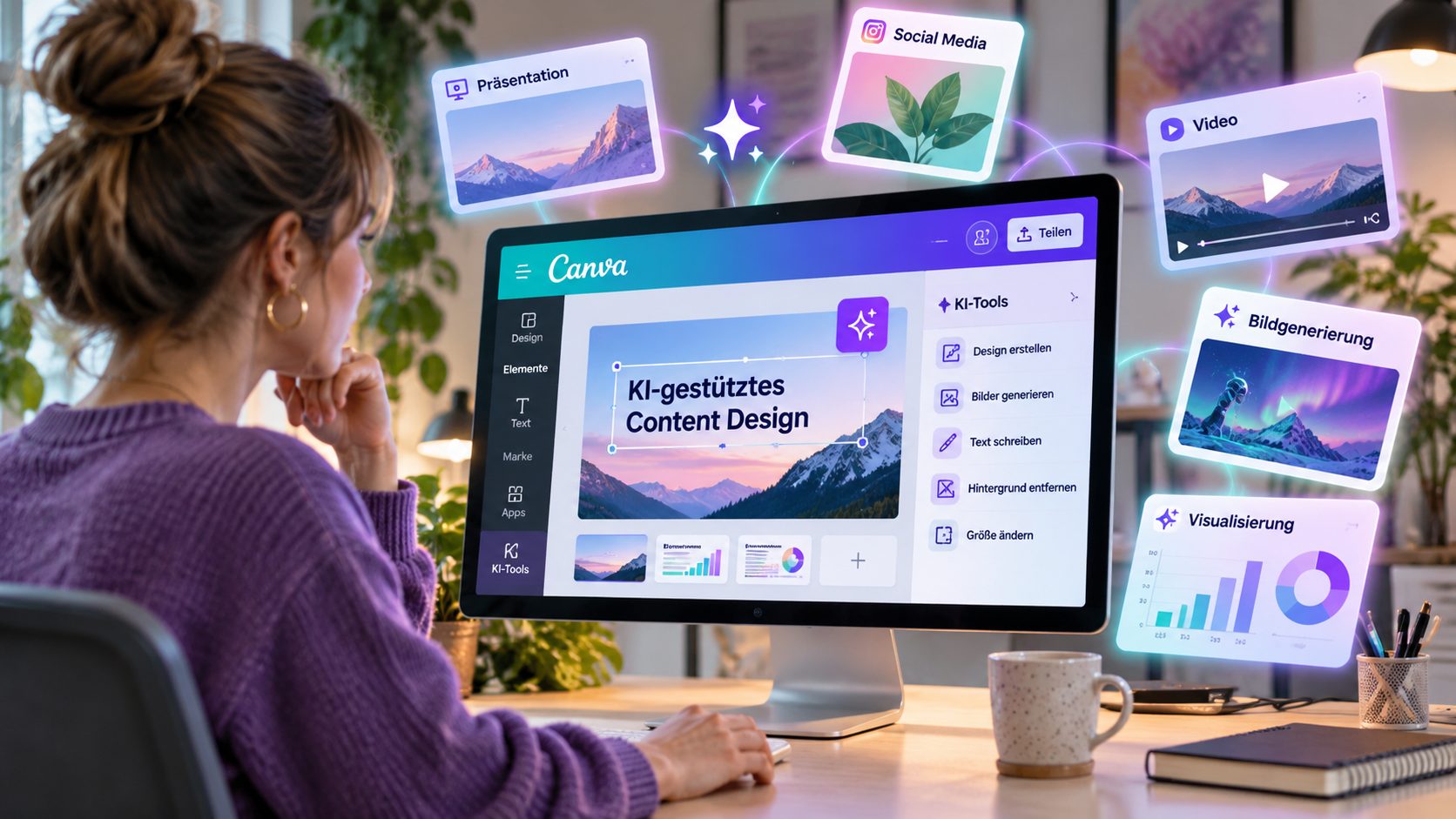
Canva is expanding its capabilities for marketing teams by integrating proprietary artificial intelligence models and new connections with ChatGPT, shifting the platform from a standard design tool into an intelligent creative hub.
The company aims to streamline content production by allowing users to generate complete presentations, social media formats, and custom images through text prompts.
The company is building on its existing Magic Studio suite with the introduction of Canva AI 2.0, according to Contentmanager. Initially launched as a research preview, this technology enables users to develop complex designs through a dialogue with an AI assistant. The platform now incorporates web research, brand-specific information, external data sources, and automated workflows into the creative process.
A significant milestone in this technological expansion occurred on October 22, 2026, when Canva introduced two proprietary AI models, Canva Craft and Canva Brush. Designed specifically for creative work processes, these tools aim to increase the company’s technological independence in the AI sector.
Canva Craft, the company’s first internally developed image generation model, allows for the creation of visuals with a resolution of up to 2K across more than 30 aspect ratios. The tool is designed to consider elements such as typography, image composition, and object arrangement during the planning phase.
These generated assets serve as alternatives to traditional stock photography for blog articles, campaign drafts, and presentations. However, the company warns that users should exercise caution when using AI for the representation of real-world products. Minor deviations in technical components, machinery, or packaging can create inaccurate impressions, and users are advised to verify the consistency of scenes and movement sequences in AI-generated videos.
While the platform enables users to generate layouts and visual elements for campaigns—such as LinkedIn webinar promotions—based on specific prompts, there are limitations. The company notes that as design requirements regarding brand communication and layout become more specific, the need for manual adjustment increases, as the AI may overlook or misinterpret complex briefing instructions.
Despite these challenges, the platform continues to evolve from its roots as an intuitive tool for users without extensive graphic design experience into a sophisticated environment for automated, data-driven content creation.
The latest updates follow the earlier launch of Magic Studio, which first introduced the platform’s initial wave of AI-driven design features.