
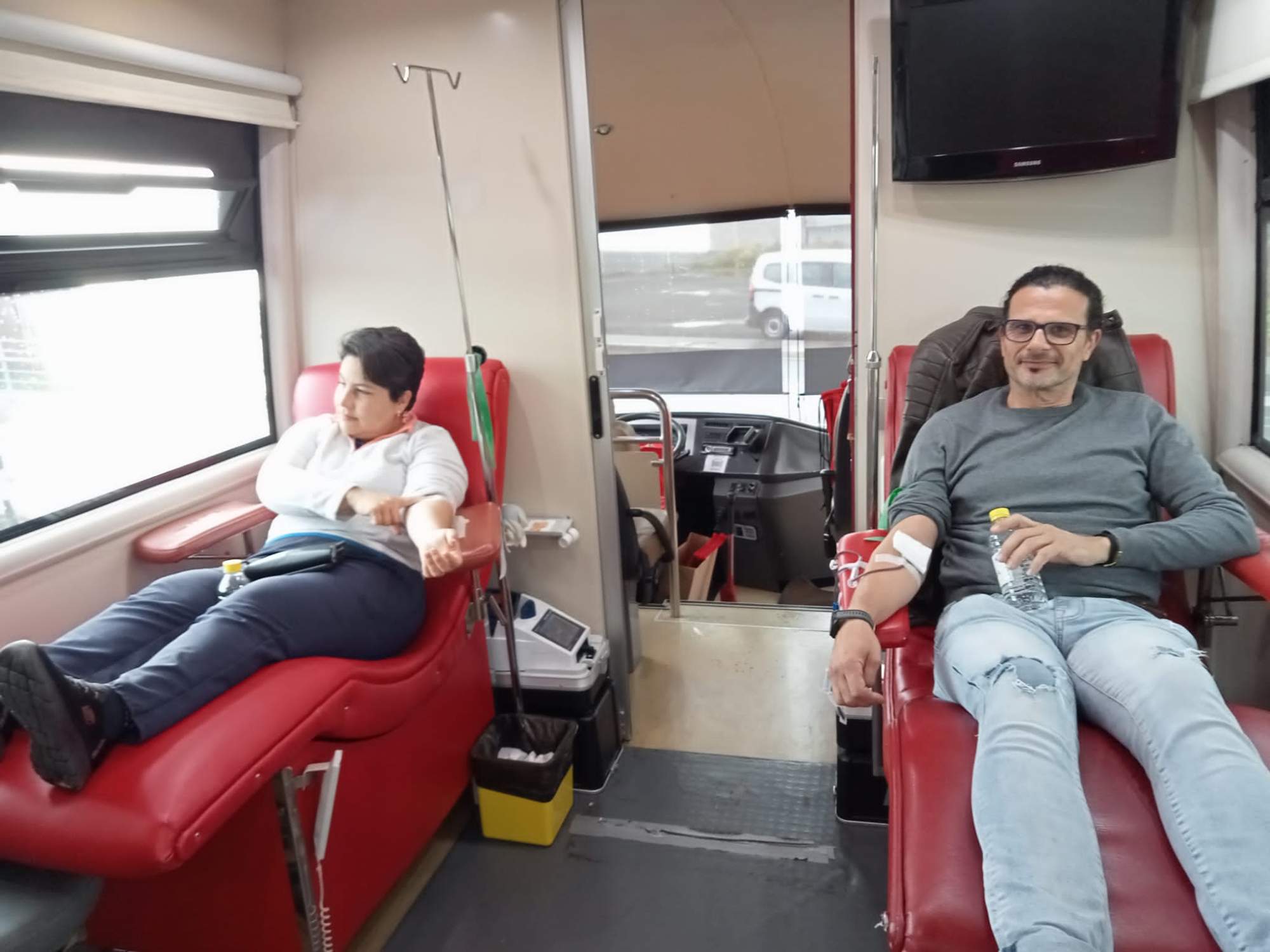
Canary Islands Blood Donation Locations and Schedule for Easter Week
The Canary Islands Health Service (SCS) is launching a series of mobile and fixed blood donation points across Gran Canaria, Tenerife, Fuerteventura and Lanzarote throughout late March and early April, aiming to bolster hemoderivative reserves ahead of the Easter holiday period. This initiative addresses a critical seasonal need, but also highlights the ongoing logistical challenges within regional healthcare systems and the increasing demand for efficient supply chain management.
The predictable surge in demand during peak travel seasons like Easter exposes vulnerabilities in blood bank inventories. This isn’t merely a logistical issue; it’s a fiscal one. Hospitals facing shortages may be forced to delay elective procedures, impacting revenue streams and potentially triggering penalties related to patient care standards. The cost of emergency sourcing – expedited shipments from other regions or countries – can significantly erode already tight margins. This situation underscores the need for proactive inventory management and robust donor recruitment strategies.
The Canary Islands Healthcare System: A Regional Case Study
The SCS’s current campaign, detailed across multiple islands, demonstrates a reactive approach to a recurring problem. Points will be established in locations like the Alcampo shopping center in Telde, the Teror Fair, and various hospital sites. While commendable, relying solely on temporary donation drives isn’t a sustainable long-term solution. The SCS acknowledges the necessity of “facilitating donation to the citizenry” through mobile units, but this inherently adds complexity and cost to the process.
According to data released by the Spanish Ministry of Health, blood donation rates have seen a slight decline in recent years, particularly among younger demographics. This trend, coupled with an aging population requiring more frequent medical interventions, is exacerbating the supply-demand imbalance. The SCS’s free helpline (900 234 061) is a vital resource, but proactive outreach and targeted campaigns are crucial to reversing this trend.
Supply Chain Resilience and the Role of Logistics Providers
The efficient transportation and storage of blood and blood products are paramount. Maintaining the cold chain – ensuring consistent temperatures throughout the entire process – is non-negotiable. Any disruption can render valuable donations unusable, resulting in significant financial losses. This is where specialized logistics and supply chain management firms become indispensable. These companies offer validated temperature-controlled transportation solutions, real-time tracking, and robust contingency planning to mitigate risks.
“We’re seeing a growing awareness among healthcare providers of the need to build more resilient supply chains,” says Dr. Elena Ramirez, a healthcare investment analyst at Santander Asset Management. “The pandemic exposed critical vulnerabilities, and organizations are now actively seeking partners with proven expertise in cold chain logistics and inventory optimization.”
The SCS’s reliance on a network of fixed and mobile donation points necessitates a sophisticated logistical operation. Coordinating collection schedules, ensuring adequate staffing, and maintaining the integrity of the blood supply require meticulous planning, and execution. The potential for human error or equipment malfunction is ever-present, highlighting the importance of robust quality control measures and adherence to international standards.
Financial Implications and the Need for Investment
The cost of maintaining a sufficient blood supply extends beyond transportation and storage. It encompasses donor recruitment, screening, testing, processing, and quality assurance. Hospitals must also factor in the cost of managing inventory, minimizing waste, and complying with stringent regulatory requirements. These expenses can significantly impact hospital budgets, particularly in regions with limited resources.
The European Blood Alliance estimates that the annual cost of blood services across Europe exceeds €10 billion. While specific figures for the Canary Islands are not publicly available, it’s reasonable to assume that the region faces similar financial pressures. Investing in modern blood bank infrastructure, automated processing technologies, and advanced inventory management systems can yield significant cost savings in the long run.
Navigating Regulatory Compliance and Legal Frameworks
The donation and distribution of blood are subject to strict regulatory oversight. Healthcare providers must comply with a complex web of national and international regulations, including those related to donor eligibility, testing protocols, and product labeling. Failure to comply can result in hefty fines, legal liabilities, and reputational damage.
Navigating this complex legal landscape requires specialized expertise. Healthcare law firms provide invaluable guidance on regulatory compliance, risk management, and dispute resolution. They can assist hospitals and blood banks in developing robust policies and procedures to ensure adherence to all applicable laws and regulations.
The Spanish Agency of Medicines and Medical Devices (AEMPS) plays a crucial role in overseeing the safety and efficacy of blood products. According to the AEMPS’s latest annual report, inspections of blood banks have revealed a number of non-compliance issues, including deficiencies in quality control procedures and inadequate record-keeping.
The Future of Blood Donation: Technology and Innovation
The blood donation process is ripe for disruption. Emerging technologies, such as automated blood collection systems, point-of-care testing, and digital donor management platforms, have the potential to significantly improve efficiency, reduce costs, and enhance the donor experience.
“We’re on the cusp of a revolution in blood banking,” states Javier Morales, CEO of BioTech Innovations, a company specializing in blood processing technologies. “The integration of AI and machine learning will enable us to optimize inventory management, predict demand fluctuations, and personalize donor recruitment efforts.”
advancements in regenerative medicine and the development of artificial blood substitutes could eventually reduce our reliance on traditional blood donations. However, these technologies are still in their early stages of development and are unlikely to replace traditional blood donation entirely in the foreseeable future.
The SCS’s current campaign is a necessary step in addressing an immediate need. However, a more strategic and long-term approach is required to ensure a sustainable and resilient blood supply for the Canary Islands. This includes investing in modern infrastructure, embracing innovative technologies, and forging strong partnerships with specialized healthcare consulting firms to optimize processes and improve efficiency.
The challenges facing the Canary Islands healthcare system are not unique. Healthcare providers worldwide are grappling with similar issues related to supply chain resilience, regulatory compliance, and financial sustainability. The World Today News Directory provides access to a vetted network of B2B partners with the expertise and resources to support organizations navigate these complexities and thrive in an increasingly challenging environment. Don’t leave your organization exposed to preventable risks – explore our directory today to find the solutions you need.