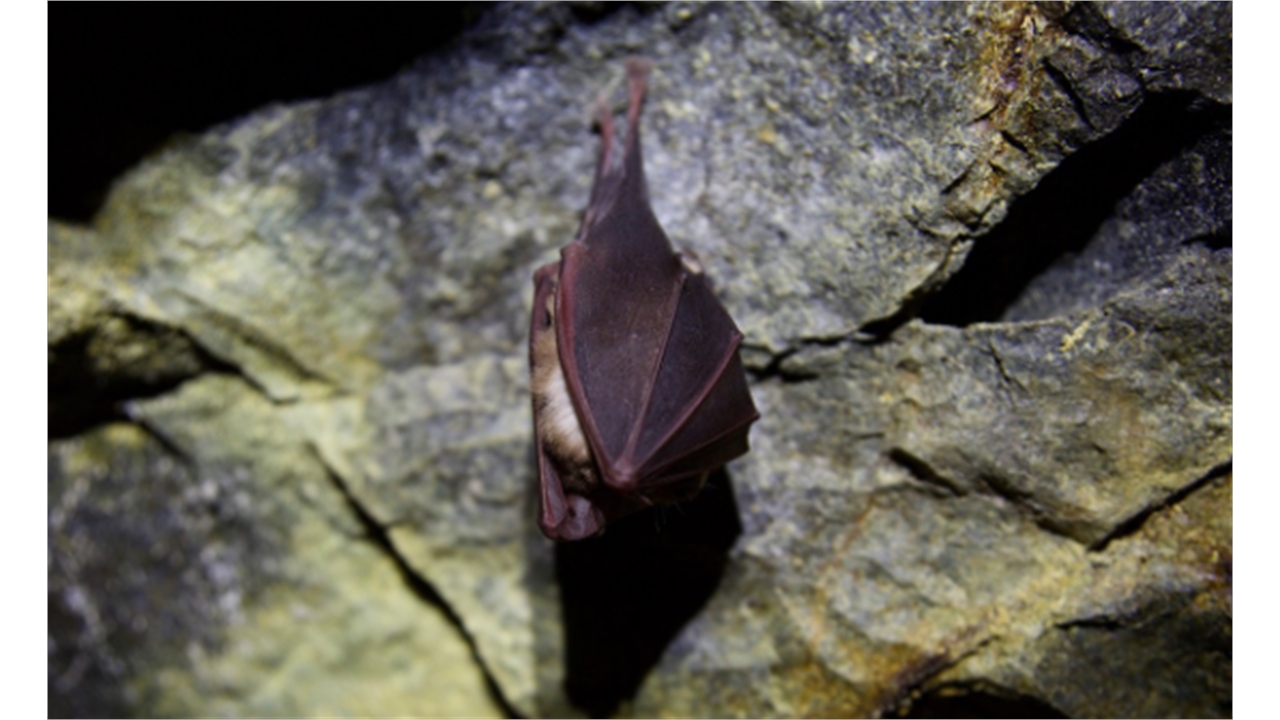
Canadian Boy Dies from Rabies After Bat Encounter
Key Clinical Takeaways:
- Rabies can manifest without visible wounds, emphasizing the need for post-exposure prophylaxis (PEP) after any bat contact.
- Incubation periods vary widely, complicating early diagnosis and treatment timelines.
- Public health guidelines stress immediate PEP administration, even in the absence of clear trauma.
Unseen Transmission: How Rabies Struck Without a Wound
A 11-year-old boy in Canada died from rabies in 2026 after coming into contact with a bat while sleeping, according to reports from YTN. The child exhibited no visible bite or scratch marks, yet the virus—transmitted via saliva—entered his system through microscopic abrasions or mucous membrane exposure, as explained by the Centers for Disease Control and Prevention (CDC). This case underscores the subtlety of rabies transmission, which can occur even without a discernible wound.
The absence of a visible wound does not preclude infection." The CDC’s 2023 guidelines on rabies prevention emphasize that any contact with a bat—especially in residential settings—requires immediate evaluation for PEP.
The Clinical Timeline: From Exposure to Fatality
The boy’s exposure occurred during sleep, a scenario where individuals may not perceive direct contact with wildlife. The incubation period for rabies typically ranges from 1 to 3 months, though it can extend up to a year. Symptoms in this case began with fever and confusion, progressing to hydrophobia and paralysis within weeks.

"By the time neurological symptoms emerged, the virus had already breached the central nervous system, making treatment futile." The CDC reports that once clinical signs appear, rabies is nearly always fatal, with only a handful of documented survivors globally.
Epidemiological Context: Rabies in Canada and Global Trends
Canada records fewer than 10 rabies cases annually, with bats accounting for the majority of exposures, per the Public Health Agency of Canada (PHAC). However, the 2026 case highlights a critical gap in public awareness. A 2022 survey by the Canadian Medical Association found that a significant number of respondents underestimated the risk of rabies from unconfirmed bat contact. This aligns with a 2020 study in Emerging Infectious Diseases, which noted that a notable number of rabies cases in North America involve delayed or missed PEP initiation.
The World Health Organization (WHO) reaffirmed in its 2025 guidelines that PEP should be administered within 24 hours of exposure. The regimen includes rabies immunoglobulin and a series of vaccines, with success rates exceeding very high when initiated promptly. However, the 2026 case illustrates the challenges of timely intervention in scenarios where exposure is unobserved.
Funding and Research: Advancing Prevention Strategies
Research into rabies prevention has been supported by the National Institutes of Health (NIH) and the Bill & Melinda Gates Foundation. A 2024 Phase III