
Canada Designates Bishnoi Gang as Terrorist Entity Amidst Evolving India-Canada Relations
Canada has officially listed the Bishnoi gang, a criminal organization originating in India, as a terrorist entity, granting the government expanded powers to combat its activities within the country. Public Safety Minister Gary Anandasangaree announced the designation on Monday,stating the gang has “created a climate of fear and intimidation” targeting Canadian diaspora communities.
The listing allows for the seizure of assets and freezing of funds owned by the Bishnoi gang in Canada, and provides law enforcement with additional tools to prosecute terrorism-related offenses, including financing, travel, and recruitment.Anandasangaree emphasized the move would provide “more powerful and effective tools to confront and put a stop to their crimes.”
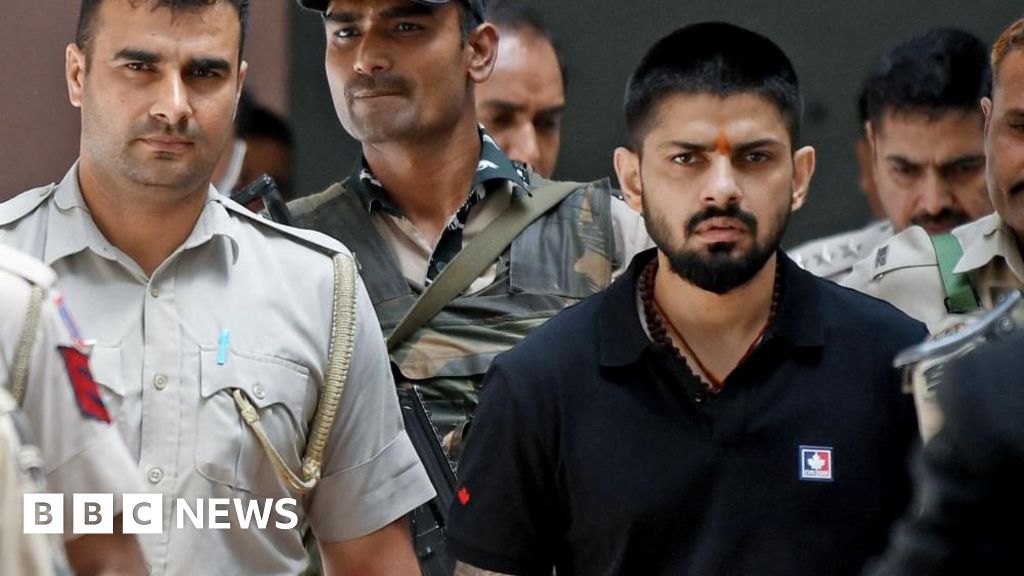
The Bishnoi gang, led by 32-year-old Lawrence Bishnoi who has been incarcerated in India for a decade, is described by Canadian authorities as a transnational criminal organization primarily operating out of India, but with a presence in Canada, particularly in areas with important diaspora populations.Indian investigators allege the gang comprises approximately 700 members involved in activities such as extortion, drug and weapons smuggling, and targeted assassinations.
The designation follows calls from opposition parties and premiers in Alberta and British columbia for stronger action against the gang, advocating for the use of sanctions. it also occurs as Canada and India work to repair strained relations following the June 2023 killing of Sikh separatist leader Hardeep Singh Nijjar in Surrey, British Columbia. Prime Minister Justin trudeau publicly stated shortly after the shooting that the Indian government may have been involved. Nijjar, who India had designated a terrorist in 2020, was killed by two gunmen outside a Sikh temple, and four individuals are currently facing charges in connection with his death.
Recent developments indicate a thaw in relations. Both countries appointed new high commissioners in August. Last week, Nathalie Drouin, Canada’s national security advisor, reported a “productive meeting” with Indian officials in Ottawa. Drouin stated that India committed to co-operating with Canadian officials in ongoing investigations and agreed to non-interference, specifically refraining from transnational repression.
Last year, Canadian police alleged that agents of the Indian government were utilizing members of the bishnoi gang to carry out “homicides, extortion and violent acts” targeting supporters of the pro-khalistan movement. India has denied these allegations, stating Canada has not provided supporting evidence.
