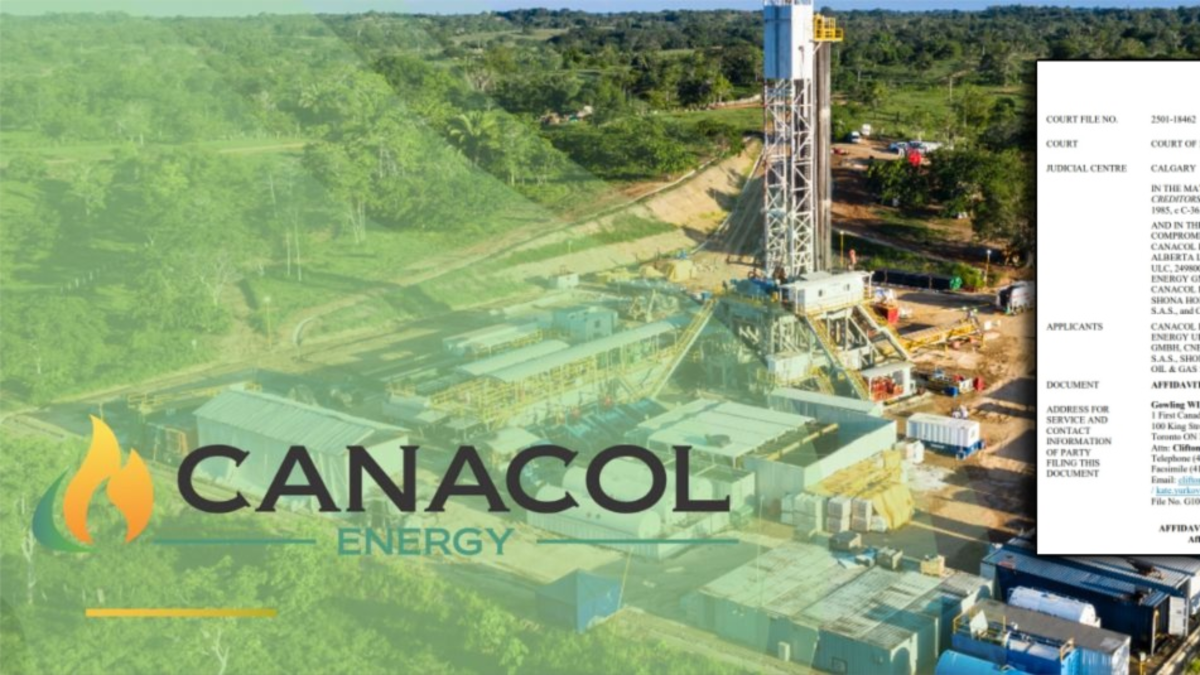
Canacol Energy Legal Dispute Threatens Colombia’s Gas Supply
Canacol Energy is attempting to terminate critical natural gas supply contracts in Colombia through an Alberta court, threatening the operational viability of the Cerro Matoso nickel mine and risking widespread energy shortages and tariff spikes across the Caribbean coast and Cúcuta.
This represents not a mere contractual disagreement; We see a high-stakes exercise in jurisdictional arbitrage. When a primary energy producer leverages foreign bankruptcy courts to exit domestic obligations, it creates a systemic risk for industrial off-takers and regional utilities. The fallout creates an immediate, urgent demand for international arbitration experts and energy risk management consultants to hedge against the volatility of cross-border legal maneuvers.
The Jurisdictional Tug-of-War: Alberta vs. Colombia
The conflict centers on a strategic move by Canacol Energy to utilize the Companies’ Creditors Arrangement Act (CCAA) in Canada to shed liabilities. By filing for relief in the Court of King’s Bench of Alberta, the company is seeking a legal exit from supply agreements that are fundamentally tied to Colombian soil and Colombian law. This creates a precarious legal vacuum where a Canadian judge may decide the fate of Colombian industrial production.
Cerro Matoso has already characterized this move as arbitrary. The mine’s position is clear: the contracts are governed by Colombian law, and any attempt to terminate them via a foreign court is an affront to the public order and the rights of the thousands of workers and contractors dependent on the operation.
The company is essentially attempting to treat its Colombian assets as disposable line items in a broader corporate restructuring. For investors, this signals a desperate search for liquidity and a willingness to burn bridges with key industrial partners to satisfy creditors.
This level of contractual instability is exactly why mid-cap energy firms are increasingly retaining corporate restructuring advisors to navigate the intersection of local operational mandates and international insolvency laws.
Industrial Paralysis at Cerro Matoso
The stakes for Cerro Matoso are binary: production or shutdown. The mine’s blast furnaces operate 24 hours a day and possess no viable energy substitute. If the gas flow from Canacol is severed, the furnaces face catastrophic failure. The financial implications are staggering, with potential damages reaching hundreds of billions of Colombian pesos per furnace.
Beyond the immediate capital loss, the human cost is significant. Thousands of direct jobs and tens of thousands of community beneficiaries are now tethered to a court decision in Alberta. This creates a ripple effect throughout the regional economy, where the mine serves as the primary economic engine.
“The move to terminate these contracts in a foreign jurisdiction ignores the operational reality of the Colombian energy grid and the critical nature of nickel production for the global energy transition.”
The dependency is absolute. With a significant portion of its gas supply tied to a single producer, Cerro Matoso is a case study in the dangers of supply chain over-concentration.
The Macro Breakdown: Three Ways This Shifts the Colombian Energy Landscape
The Canacol crisis is a bellwether for how energy security will be managed in an era of corporate insolvency. The impact extends far beyond a single mine, shifting the entire regional energy calculus in three distinct ways:

- The Erosion of Contractual Certainty: If Canacol successfully exits its contracts via a Canadian court, it sets a dangerous precedent. Other foreign-backed energy firms may view the CCAA or Chapter 15 filings as a “get out of jail free” card to abandon unprofitable or burdensome domestic contracts, undermining the stability of long-term energy planning in Colombia.
- Regional Energy Poverty: The threat isn’t limited to heavy industry. In cities like Cúcuta, the potential termination of these contracts is expected to trigger a spike in gas tariffs for households. A projected year-long shortage would force the government to seek expensive, short-term imports, shifting the cost burden onto the end consumer.
- Regulatory Hyper-Vigilance: The Superintendencia de Servicios Públicos Domiciliarios (Superservicios) has already activated special surveillance over Canacol’s subsidiaries. This marks a shift toward more aggressive state intervention to prevent “corporate flight” from impacting public utility services.
The Regulatory Backlash and Market Contagion
The reaction from Colombian regulators has been swift. By placing Canacol’s subsidiaries under special surveillance, the government is attempting to build a regulatory firewall against the Alberta court’s potential rulings. However, the efficacy of a Colombian administrative order against a Canadian court mandate remains untested and legally murky.

From a market perspective, this volatility is reflected in the company’s precarious standing. Investors monitoring TSX: CNE are watching not just the balance sheet, but the geopolitical risk profile. The company’s reliance on restructuring relief suggests a liquidity crunch that cannot be solved by operational efficiency alone.
The broader Colombian gas market is now on edge. With Canacol producing a meaningful percentage of the national demand, any sustained outage creates a vacuum that cannot be filled overnight. This is no longer just a company in crisis; it is a potential energy security event.
As the Canadian tribunal prepares to rule, the industry is realizing that the “foreign main proceeding” strategy is a double-edged sword. It may protect assets from certain creditors, but it alienates the very partners required for operational survival.
The Canacol saga proves that in the modern global economy, a corporate headquarters in Toronto can trigger a blackout in Cúcuta. For B2B entities operating in high-risk jurisdictions, the lesson is clear: diversification of supply and ironclad jurisdictional clauses are not optional—they are existential. As the energy sector continues to consolidate and restructure, firms must seek vetted partners through the World Today News Directory to ensure their legal and operational frameworks can withstand the shock of international insolvency.