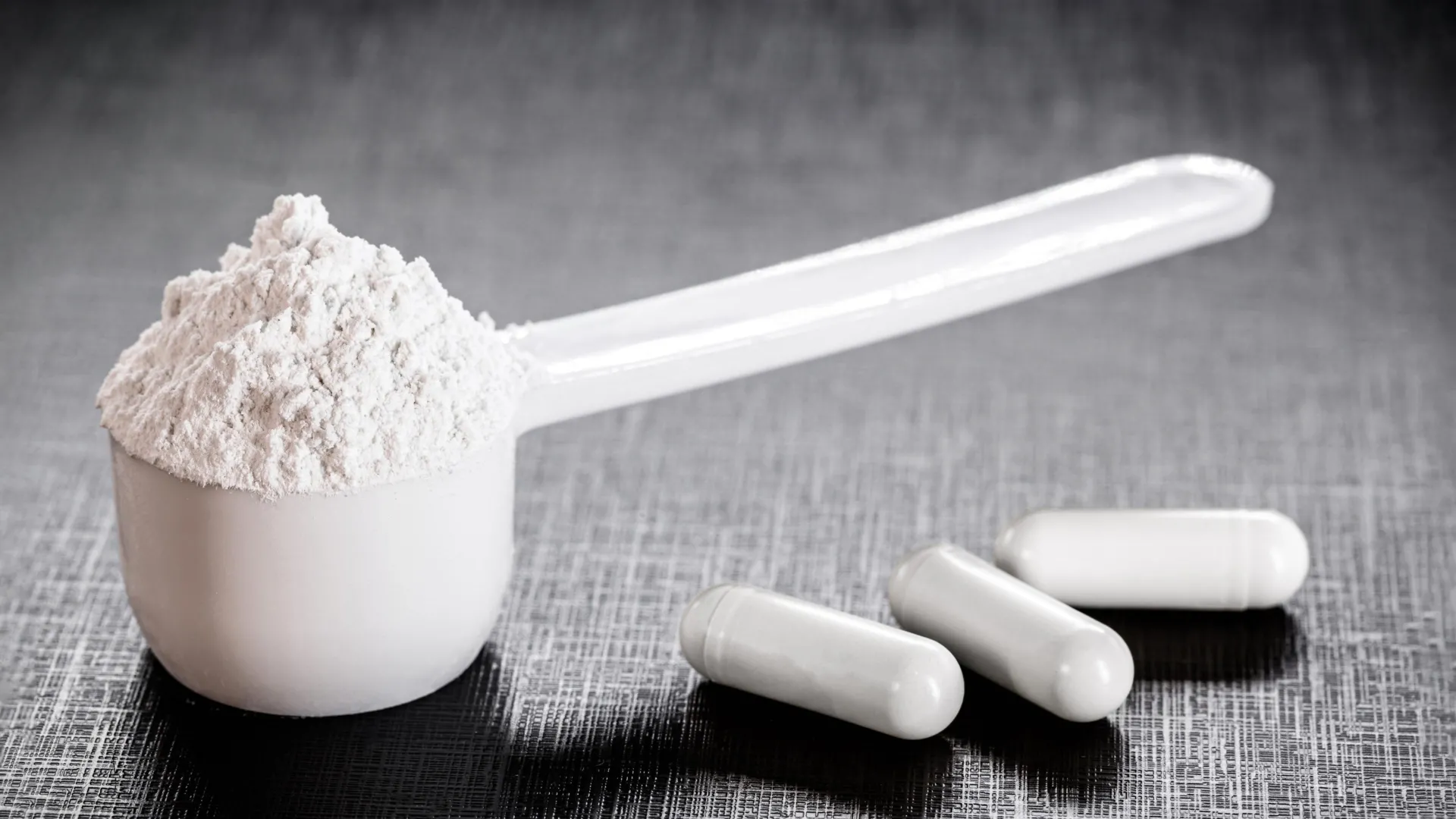
Can Creatine Help Treat Depression? New Research Shows Mixed Results
Recent clinical investigations suggest that creatine, a compound best known as a muscle-building supplement, may hold potential as an adjunctive treatment for major depressive disorder (MDD) by boosting the brain’s energy supply. A systematic review of five randomized clinical trials involving 238 participants indicates that while outcomes remain inconsistent, specific cohorts—particularly women—have demonstrated symptomatic improvement when integrating creatine with standard treatment.
- Creatine functions as a phosphagen, supporting adenosine triphosphate (ATP) resynthesis, which researchers hypothesize may address metabolic deficits observed in the brains of patients with depression.
- Current evidence is mixed; out of five analyzed trials, two involving women with major depressive disorder reported improved symptoms, while three others found no meaningful benefit.
- The clinical application of creatine for mood disorders is still in the investigational stage.
The Metabolic Hypothesis of Mood Regulation
The biological rationale for investigating creatine in psychiatric care centers on the brain’s high energy demand. By supplementing with exogenous creatine, clinicians aim to bolster the brain’s phosphocreatine stores, theoretically enhancing resilience against the metabolic stress associated with chronic depression.
Analysis of Clinical Trial Variability
The heterogeneity in trial results highlights the challenges inherent in psychiatric research. In the two studies that reported positive clinical outcomes, the participants were exclusively women. Conversely, the three studies that found no significant benefit suggest that dosage, duration of intervention, or the severity of the MDD at baseline may have acted as confounding variables.
For patients and providers, these findings emphasize the necessity of precise diagnostic screening. Before considering off-label use of supplements, patients should seek evaluation from a board-certified psychiatrist or specialized clinical facility.
The current body of evidence is insufficient to support creatine as a monotherapy for depression. As the field moves toward larger trials, investigators are prioritizing the identification of biomarkers that might predict which patients will respond favorably to metabolic interventions.
Pharmaceutical distributors and clinical research organizations must remain vigilant regarding regulatory compliance as interest in nutraceuticals grows. Entities navigating the integration of these protocols into clinical practice often engage healthcare compliance attorneys to ensure that patient safety and data reporting meet the stringent standards required by the FDA and international health authorities.
The Path Toward Evidence-Based Integration
Translating these findings into a clinical setting requires a cautious, evidence-based approach. The variability in current data suggests that creatine is not a universal solution for depression but rather a potential tool for specific patient profiles. As the research matures, the medical community will likely see more refined guidelines regarding dosage, timing, and patient selection criteria.
Patients interested in learning more about the role of metabolic health in psychiatric care are encouraged to schedule a consultation with a qualified mental health specialist. These experts can provide tailored guidance, ensuring that any supplemental regimen is integrated safely into a holistic treatment plan that prioritizes long-term patient outcomes and morbidity reduction.
Disclaimer: The information provided in this article is for educational and scientific communication purposes only and does not constitute medical advice. Always consult with a qualified healthcare provider regarding any medical condition, diagnosis, or treatment plan.