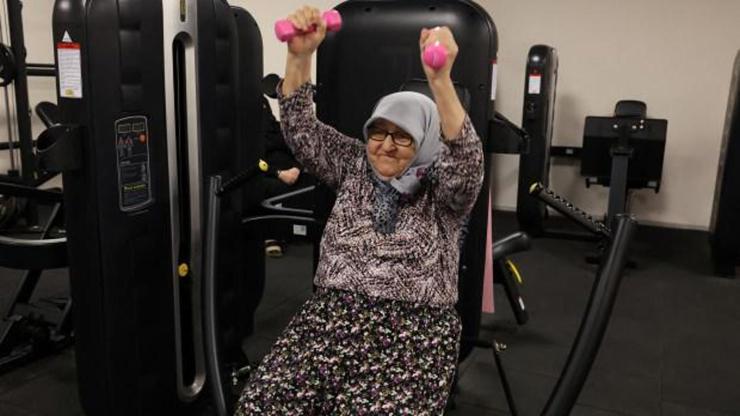
80-Year-Old Overcomes Parkinson’s Balance Issues Through Exercise
An octogenarian patient with Parkinson’s disease-induced postural instability has successfully regained independent ambulation and discarded assistive mobility devices following a targeted physical rehabilitation regimen, according to clinical case documentation reviewed in movement disorder evaluations. The patient, who experienced progressive gait disturbances and frequent balance deficits characteristic of neurodegenerative motor decline, achieved functional recovery through specialized neuromuscular conditioning.
Key Clinical Takeaways:
- Targeted neuromuscular exercise protocols can significantly ameliorate balance impairments and postural instability in advanced Parkinson’s disease patients.
- Structured physical therapy directly addresses motor symptoms such as bradykinesia and rigidity, reducing fall risks and reliance on assistive devices like canes.
- Clinical management of neurodegenerative gait disorders increasingly incorporates intensive physical conditioning alongside pharmacological interventions.
Pathogenesis of Postural Instability in Parkinson’s Disease
Postural instability represents a major clinical challenge in the progression of Parkinson’s disease, frequently manifesting as axial rigidity, impaired righting reflexes, and retropulsion. According to epidemiological data published in the National Institutes of Health portal, balance deficits significantly elevate the incidence of fall-related morbidity among elderly populations. The underlying pathophysiology involves the degeneration of dopaminergic pathways within the substantia nigra pars compacta, disrupting basal ganglia modulation of vestibulospinal and reticulospinal tracts. Consequently, patients exhibit diminished compensatory stepping responses when subjected to external perturbations.
Standard pharmacological treatments, including levodopa and dopamine agonists, often demonstrate limited efficacy in managing axial symptoms and gait freezing compared to appendicular rigidity and tremor. This therapeutic gap underscores the necessity of non-pharmacological interventions, such as high-intensity resistance training and perturbation-based balance therapy, to stimulate neuroplastic adaptation and strengthen compensatory musculoskeletal pathways.
Clinical Efficacy of Targeted Physical Rehabilitation
Structured exercise regimens counteract neurodegenerative decline by enhancing neuromuscular recruitment and preserving proprioceptive function. Clinical guidelines from the World Health Organization emphasize that sustained physical activity in older adults modulates central nervous system plasticity and improves functional independence. In cases involving severe balance impairment, customized physical therapy programs focus on core stabilization, rhythmic auditory cueing, and multidirectional weight-shifting exercises.
For patients and families navigating the complexities of advanced neurodegenerative motor symptoms, timely clinical intervention remains critical. It is highly advisable to consult with vetted board-certified neurologists and specialized physical therapists through an established neurological rehabilitation center to design bespoke exercise regimens that mitigate fall risks and enhance mobility.
Furthermore, maintaining continuity of care requires close collaboration between primary care physicians, movement disorder specialists, and outpatient clinics. Patients seeking comprehensive diagnostic evaluations and long-term functional planning can connect with qualified practitioners via a trusted movement disorder clinic directory to establish evidence-based therapeutic targets.
Future Directions in Neurorehabilitation and Mobility Preservation
As clinical research continues to validate the role of physical conditioning in counteracting neurodegeneration, healthcare delivery models are adapting to integrate exercise prescription as a core component of Parkinson’s disease management. Future clinical trials aim to isolate the specific kinetic parameters of rehabilitation that yield optimal improvements in postural control, reducing long-term healthcare utilization associated with fall-related trauma. Bridging the gap between empirical findings and clinical practice requires ongoing consultation with experienced medical professionals listed in our global health directory.
*Disclaimer: The information provided in this article is for educational and scientific communication purposes only and does not constitute medical advice. Always consult with a qualified healthcare provider regarding any medical condition, diagnosis, or treatment plan.*