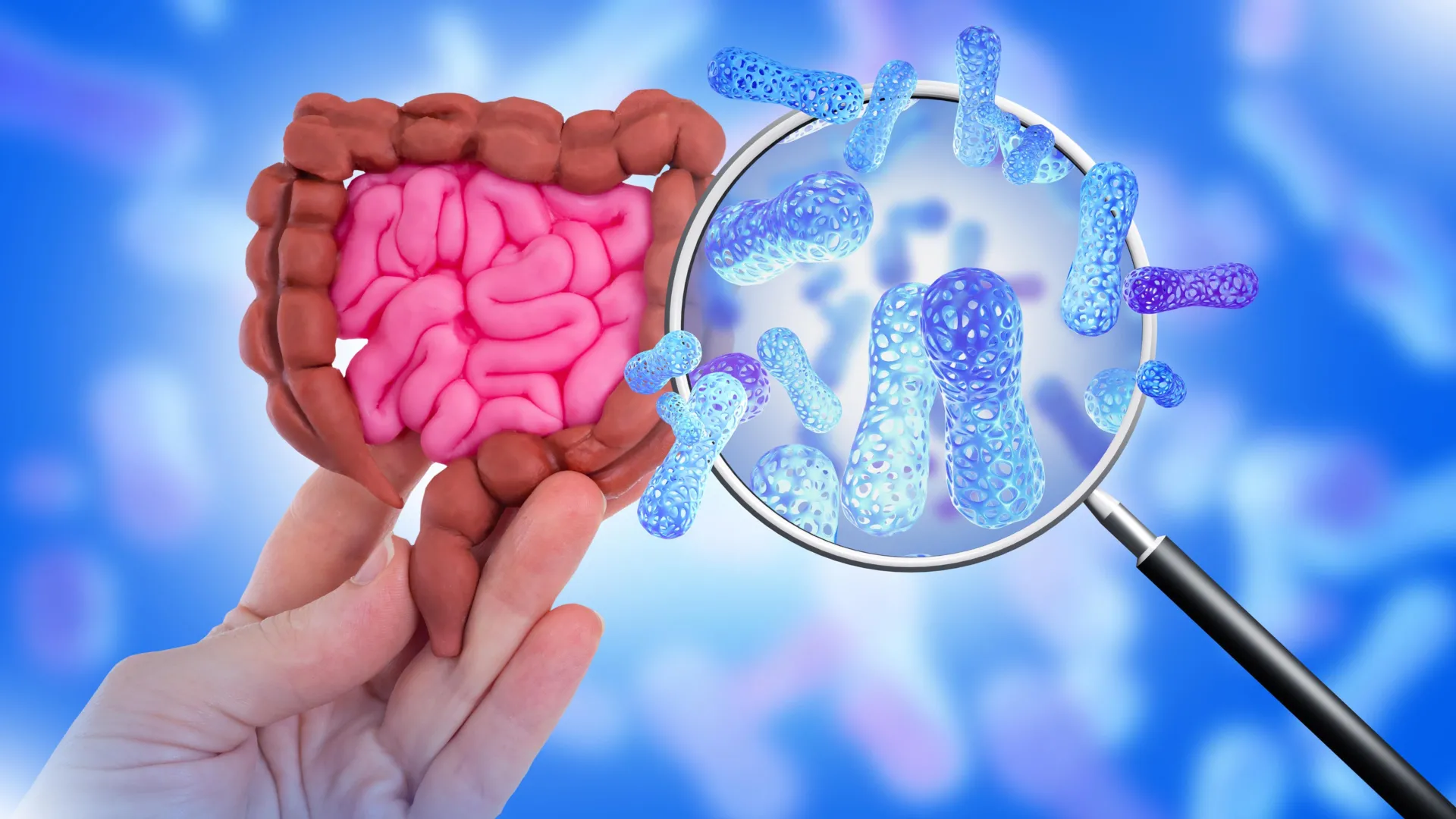
Cambridge study: Sweeteners can alter gut bacteria growth
Sweeteners alter gut bacteria growth in laboratory tests
Scientists at the University of Cambridge tested 39 artificial and natural low-calorie sweeteners against 25 species of gut bacteria, discovering that roughly three-quarters of the sugar substitutes altered the growth of at least one bacterial species in laboratory experiments. The findings, funded by the European Union’s Horizon 2020 program and the UK Medical Research Council, reveal that many widely used sweeteners can directly interfere with microbial populations rather than passing through the body passively.
Key Clinical Takeaways:
- Researchers at the University of Cambridge exposed 25 species of gut bacteria to 39 different low-calorie sweeteners.
- Roughly 75% of the tested sweeteners altered the growth of at least one bacterial species in isolated cultures.
- Pairing the sweetener isosteviol with the antidepressant duloxetine suppressed two beneficial gut bacteria and reduced overall microbial diversity.
Laboratory experiments reveal widespread microbial interactions
Led by Dr. Sonja Blasche and senior author Professor Kiran Patil at the Medical Research Council Toxicology Unit, the research team cultivated beneficial, neutral, and potentially harmful gut bacteria separately. Each species was exposed to 39 commercially available sweeteners. In several instances, bacterial populations grew slower or stopped multiplying entirely.
Sweeteners are often marketed as metabolically neutral, but our study challenges this idea,
Dr. Blasche stated in the published findings. We found that they can directly affect gut bacteria, particularly when mixed with other compounds such as medication and food additives.
Isosteviol and duloxetine combination suppresses beneficial gut microbes
Beyond testing sweeteners in isolation, the researchers examined how the substances behave when combined with everyday ingredients and pharmaceuticals, including caffeine, vanillin, advantame, and eight widely used drugs. More than 100 unexpected interactions occurred. In 34 instances, the combination intensified effects on bacterial growth, while 68 interactions weakened the effect.
One specific combination produced striking results. When the industrial food sweetener isosteviol was paired with the antidepressant duloxetine, the mixture strongly suppressed two important gut bacteria: Roseburia intestinalis and Parabacteroides merdae. Both species regulate blood sugar and maintain digestive health. In the United States alone, more than 4.2 million patients received prescriptions for duloxetine in 2023.
Simplified artificial gut communities show reduced microbial diversity
To move beyond isolated cultures, the team created a simplified artificial gut community containing all 25 bacterial species. Introducing the isosteviol and duloxetine combination to this community reduced overall bacterial diversity and altered the relative abundance of different species.
Further analysis showed that the exposed bacterial community produced increased toxicity toward certain host cells while modifying the behavior of cells involved in immune responses and inflammation. Professor Patil noted that these observations demonstrate how everyday dietary choices and prescription medications can interact inside the digestive system in unexpected ways.
Human studies are required to determine health effects
Despite these results, the researchers emphasize that all experiments took place in controlled laboratory settings rather than human clinical trials. It remains unclear whether the changes observed in the laboratory would occur under normal dietary conditions or whether they would translate into measurable health effects. Additional human studies are required to determine real-world health consequences.
Disclaimer: The information provided in this article is for educational and scientific communication purposes only and does not constitute medical advice. Always consult with a qualified healthcare provider regarding any medical condition, diagnosis, or treatment plan.