Calls for Restrictions on Cosmetic Use of Obesity Drugs
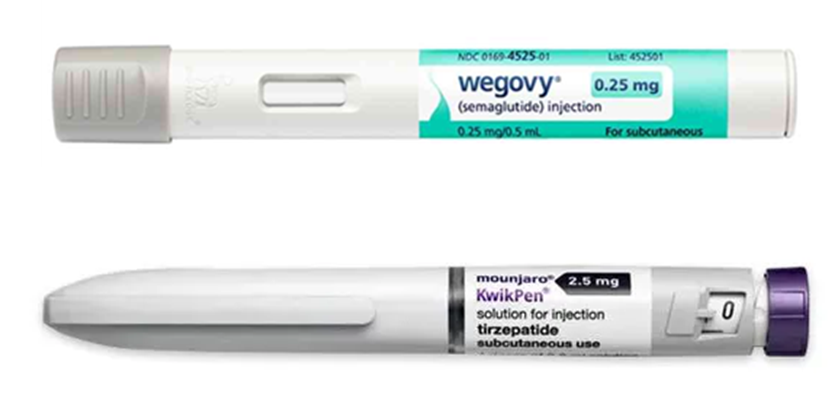
In South Korea, the rising non-medical use of glucagon-like peptide-1 (GLP-1) receptor agonists such as semaglutide (Wegovy) and tirzepatide (Mounjaro) has triggered regulatory scrutiny, with health authorities now classifying these obesity therapeutics as potential candidates for abuse monitoring due to escalating demand for cosmetic weight loss. Originally approved for chronic weight management in patients with obesity or overweight-related comorbidities, these medications are increasingly sought by individuals without clinical indications, driven by social media influence and aesthetic pressures. This shift raises critical questions about appropriate prescribing practices, long-term safety in metabolically healthy populations, and the ethical boundaries of pharmacotherapy for lifestyle modification.
Key Clinical Takeaways:
- GLP-1 receptor agonists like semaglutide demonstrate 15-20% average weight loss in Phase III trials among obese patients, but data in non-obese, cosmetically motivated users remain limited and primarily observational.
- Off-label use for cosmetic purposes increases risks of gastrointestinal adverse events, pancreatitis, and potential thyroid C-cell hyperplasia, particularly without baseline metabolic risk stratification.
- Regulatory bodies in South Korea and internationally are evaluating enhanced monitoring frameworks to mitigate misuse while preserving access for clinically indicated patients.
The core issue lies not in the efficacy of these agents—which is well-established—but in their diversion from evidence-based indications. Semaglutide, a synthetic analog of human GLP-1, enhances insulin secretion, suppresses glucagon release, and delays gastric emptying through activation of the GLP-1 receptor, thereby reducing caloric intake. In the STEP program trials, which enrolled over 4,500 participants across Phase III studies, once-weekly semaglutide 2.4 mg yielded a mean weight reduction of 14.9% at 68 weeks compared to 2.4% with placebo (NEJM, 2021). Tirzepatide, a dual GIP/GLP-1 receptor agonist, showed even greater effects in the SURMOUNT trials, with up to 22.5% weight loss at 72 weeks in the highest dose group among individuals with BMI ≥30 or ≥27 with comorbidities (JAMA, 2022). These trials, funded by Novo Nordisk and Eli Lilly respectively, excluded participants seeking weight loss solely for cosmetic reasons, limiting direct applicability to the current off-label trend.
“The pharmacology is sound, but we lack long-term safety data in metabolically normal individuals using these drugs for aesthetic goals. What we see in clinical trials is a population with significant cardiometabolic risk. extrapolating those benefits to healthy, young adults seeking modest weight reduction ignores the risk-benefit calculus.”
— Dr. Soo-jin Lee, Endocrinologist, Seoul National University Hospital
This gap in evidence has prompted Korean health authorities to consider placing semaglutide and tirzepatide under stricter surveillance, potentially classifying them as medications with abuse potential—not due to psychoactive properties, but because of patterns of inappropriate use resembling those seen with stimulants or diuretics in disordered eating contexts. The Ministry of Food and Drug Safety (MFDS) reported a 300% increase in off-label prescriptions for GLP-1 agonists between 2022 and 2024, with dermatology and aesthetics clinics accounting for nearly 40% of non-diabetic, non-obese prescriptions (MFDS Annual Report, 2024). Such trends mirror early concerns seen with human chorionic gonadotropin (hCG) diets or off-label amphetamine use, where medicalization of cosmetic goals outpaced safety evaluation. From a pathophysiological perspective, chronic GLP-1 receptor activation in individuals without insulin resistance may still confer weight loss but introduces theoretical risks. GLP-1 receptors are expressed in pancreatic beta cells, the gastrointestinal tract, and the central nervous system—including areas involved in reward processing. While no signal of addiction has emerged in clinical trials, preclinical studies suggest GLP-1 modulation can influence dopamine pathways, warranting vigilance in populations using these agents for hedonic rather than homeostatic feeding regulation (Cell Metabolism, 2019). Rare but serious adverse events like acute pancreatitis and medullary thyroid carcinoma (observed in rodent studies, though not confirmed in humans) necessitate caution in low-risk populations where the absolute benefit is marginal.
“We’re seeing patients with BMIs of 22 requesting these drugs to lose 3–5 kilograms for social events. That’s not treatment—it’s pharmacologic pursuit of an idealized body image, and it bypasses the safeguards built into clinical trial protocols.”
— Dr. Min-ho Park, Pharmacovigilance Specialist, Korea Food and Drug Administration
This trend underscores a broader challenge in modern medicine: the tension between therapeutic innovation and societal pressures that blur the line between medical necessity and personal preference. As these agents become more accessible—driven by telehealth platforms and direct-to-consumer marketing—the need for robust clinical guardrails intensifies. Healthcare providers must now navigate requests that fall outside labeled indications, requiring tools to assess motivation, screen for eating disorders, and emphasize lifestyle foundations over pharmacologic shortcuts. For patients considering weight management interventions, whether for health or aesthetic reasons, consultation with qualified specialists remains essential. Endocrinologists or obesity medicine specialists can evaluate eligibility based on established criteria, discuss realistic outcomes, and monitor for adverse effects. Those navigating complex prescribing landscapes or institutional compliance issues may benefit from guidance by healthcare compliance attorneys familiar with evolving pharmaceutical regulations. Diagnostic centers offering comprehensive metabolic screening can further support risk stratification before initiating any pharmacologic therapy. The trajectory of GLP-1-based therapies will depend not only on continued pharmaceutical innovation but as well on the medical community’s ability to uphold evidence-based boundaries. As real-world data accumulates from both indicated and off-label use, regulators, clinicians, and manufacturers share responsibility in ensuring these powerful tools serve their intended purpose: improving health outcomes in those who need them most, not fulfilling transient cosmetic desires. *Disclaimer: The information provided in this article is for educational and scientific communication purposes only and does not constitute medical advice. Always consult with a qualified healthcare provider regarding any medical condition, diagnosis, or treatment plan.*