Melting Arctic ice opens shipping lanes, says Rana Foroohar
Melting polar ice is opening trans-polar shipping lanes that cut transit times between the Atlantic and Pacific oceans by up to 40 percent, turning the High North into a contested zone for geopolitical power and resource extraction, according to reporting by Rana Foroohar.
-
Key Takeaways:
- Trans-polar shipping routes across the Arctic are becoming viable for two to three weeks annually, saving up to 40 percent in travel time compared to traditional southern routes.
- Undersea communication cables and substantial deposits of oil, natural gas, and rare earth minerals beneath Arctic waters are drawing intense commercial and military competition from nations including China and Russia.
- Researchers from Pukyong National University aboard the icebreaking research vessel Araon conducted observations of sea-ice thickness, atmospheric conditions, and subsea greenhouse gas releases during expeditions spanning July to October 2026.
Rising Temperatures Make North Pole Shipping Routes Practical
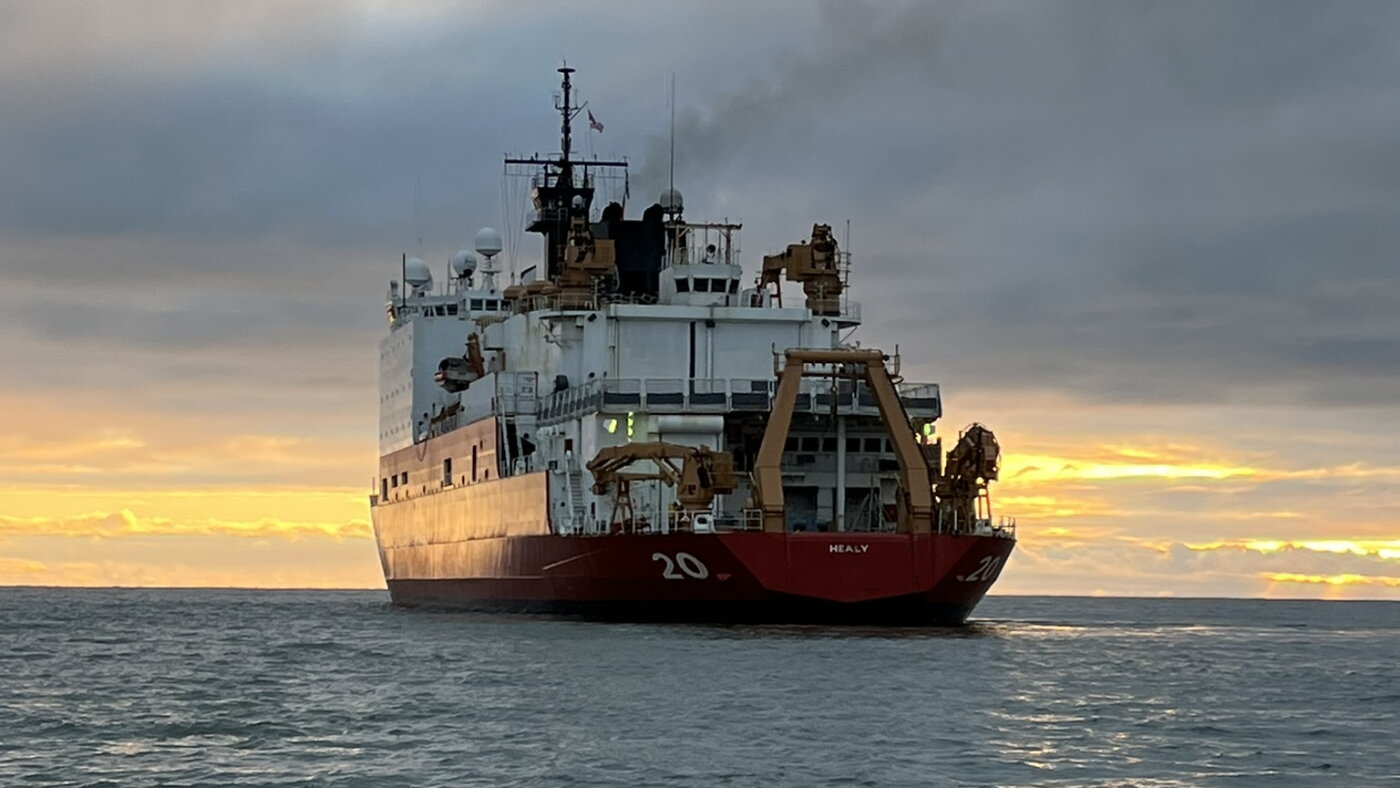
Traversing the North Pole by ship, once considered a largely conceptual routing, is shifting into a practical reality as global temperatures rise. Aboard the Coast Guard icebreaker USS Healy, writer Rana Foroohar observed firsthand the physical mechanics of polar navigation, noting the intense sound and vibration of moving through 12 inches of reinforced steel while traversing waters that could soon shave days off intercontinental freight transit. Depending on fluctuating fuel costs, cutting transit times by nearly half offers substantial financial incentives for global logistics operators.
Parallel scientific efforts are cataloging the physical changes driving this accessibility. Researchers from Pukyong National University boarded the icebreaking research vessel Araon to execute comprehensive oceanic and atmospheric observations. Supported by the university’s G-LAMP Project Group and the Ministry of Oceans and Fisheries, the Araon departed Incheon Port on July 11, 2026, returning on October 2, 2026, after an 83-day expedition. Investigators installed Ice Mass Balance Buoys on Arctic sea ice, deployed radiosondes for upper-atmospheric profiling, and monitored methane and other greenhouse gases potentially escaping from subsea permafrost.

Sovereignty Disputes Over Minerals, Cables, and International Waters
Beneath the shifting ice lies a complex legal and geopolitical vacuum. The High North contains vast stores of petroleum, natural gas, and rare earth minerals, alongside vital undersea fiber-optic cables responsible for carrying intercontinental data traffic. Foroohar notes that nations are racing to lay, commercialize, and potentially militarize the ocean floor where these communication arteries rest, turning the Arctic into a primary arena for territorial acquisition.
Governance of these maritime activities remains heavily contested. While the United Nations Convention on the Law of the Sea establishes formal protocols governing mining rights, maritime transit, and resource allocation in international waters, the United States never signed on to the convention. Legislative opposition from key senators citing national sovereignty concerns left the U.S. outside the convention framework, creating a regulatory free-for-all that is further complicated by regional competitors who frequently disregard international maritime standards.
Broader Geopolitical Shifts Reflected in the High North
The convergence of military assets and commercial ambitions in the Arctic mirrors a wider global retreat from traditional globalization toward regional spheres of influence. Similar disputes over ports, mineral rights, and territorial boundaries are playing out across Latin America, West Africa, and the South China Sea, positioning the Arctic as an early indicator of broader international realignment. As U.S. policy increasingly emphasizes protecting what’s close to home, American and Chinese interests are intersecting more directly in polar regions.
At the same time, environmental shifts documented by field researchers continue to alter regional ecosystems and weather systems far beyond the polar circle. Data gathered during polar expeditions help clarify interactions between the atmosphere and warming ocean currents, feeding critical predictive models for weather patterns.