
The ringing of a phone echoed through the Nevada County, California, sheriff’s office just before noon on February 17, 2026. The 911 call brought devastating news: an avalanche had occurred on nearby Castle Peak – a 9,109-foot mountain north of the Donner summit in the Lake Tahoe area. A group of backcountry skiers had been on the mountainside, returning home from a three-day expedition, during a heavy winter storm. While six had survived, more than half their group was missing.
The ensuing rescue mission, conducted in harrowing conditions, would bring those six survivors home. In the days since the disaster unfolded, family and friends have shared glimpses of the tight-knit group of women, all experienced skiers, whose backcountry excursion took a deadly turn, becoming one of the worst avalanche disasters in U.S. History.
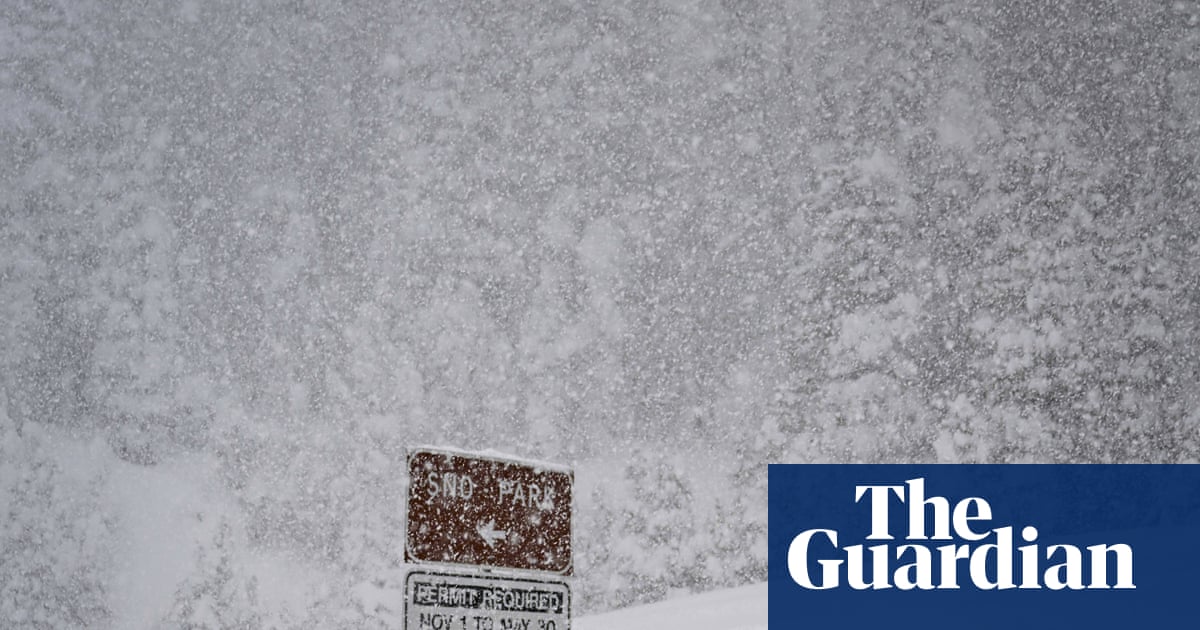
After receiving the emergency call, the Nevada County Sheriff’s Office quickly marshaled a team of 46 first responders. But conditions outside remained treacherous. The University of California, Berkeley’s Central Sierra Snow Lab, near Donner Pass, reported 28 inches of snow that day, with another 3 feet expected in the next two days. The risk of another avalanche occurring during the rescue effort was high, according to authorities.
Initially, the sheriff’s office believed 16 people had been in the group trapped on the mountainside: 12 clients and four guides with an expedition group called Blackbird Mountain Guides. However, Blackbird Mountain Guides informed them that one person had decided to back out of the trip “last minute,” according to Nevada County Sheriff Shannan Moon. Among the missing was the spouse of one of the search-and-rescue volunteers.
The Blackbird group had been on a backcountry ski trip, spending two nights at the Frog Lake ski huts – upscale cabins equipped with heaters, wall sockets, and bathrooms – before returning to the trailhead on the third day, when the avalanche hit. Amid the ongoing storm, ski rescue teams headed out into the field onboard a Sno-Cat, a truck-sized vehicle equipped with tank-like tracks designed to navigate polar conditions. By 5:30 p.m., the rescue team had reached a location about 2 miles from where beacons indicated the surviving skiers were sheltering. First responders skied the remaining 2 miles of mountainous terrain until they reached the six survivors.
In the hours since the avalanche, the survivors had built a shelter out of tarps and managed to uncover the bodies of three of their group members. First responders found five additional bodies. On Saturday, February 21, 2026, all nine bodies were brought down off the mountain with the aid of helicopters and Sno-Cats, authorities said.
The Castle Peak avalanche is now the fourth deadliest in U.S. History. In its wake, details are emerging about the deceased – the majority of whom were mothers and close friends from the Bay Area. The families of six of the deceased identified them as Carrie Atkin, Liz Clabaugh, Danielle Keatley, Kate Morse, Caroline Sekar, and Kate Vitt, from the Bay Area, Idaho, and the Lake Tahoe area.
Two of the women – Sekar and Clabaugh – were sisters, according to family members. The families described the six women as “passionate, skilled skiers who cherished time together in the mountains.” They added that the six were part of a group of eight friends, indicating two of the survivors were among those who went on the trip. They were experienced backcountry skiers “fully equipped with avalanche safety equipment,” the families said.
Three of the deceased were guides with Blackbird Mountain Guides. Zeb Blais, the company’s founder, issued a statement calling it an “enormous tragedy, and the saddest event our team has ever experienced,” adding that the guides had all been trained or certified in backcountry skiing by the American Mountain Guides Association and were instructors with the American Institute for Avalanche Research and Education.
The Nevada County Sheriff’s Office and Cal/Osha have opened standard investigations into the incident, to determine whether criminal charges are warranted. The cause of the avalanche remains under investigation.
Avalanches are not uncommon in the Sierras, although Tuesday’s event was the most devastating in modern California history. The Sierra Avalanche Center, which provides forecasts for the region, has observed at least 50 avalanches in the area near Lake Tahoe since September 2025. People have died in avalanches in the Lake Tahoe area in six out of the past 10 years. Most recently, a snowmobiler was killed earlier this year when an avalanche occurred in the same area near Castle Peak.
The storm at the center of this tragedy was not extraordinary by Sierra standards, but it was intense. More than 66 inches of snow had fallen over three days, the UC Berkeley Central Sierra Snow Lab reported on Wednesday morning, the day after the avalanche. Whiteout conditions and gale-force winds added to the threats faced by the skiers and complicated rescue efforts.
