BYD sets Da Han EV launch for Oct 13 with 1,008 km range, says Auto Test
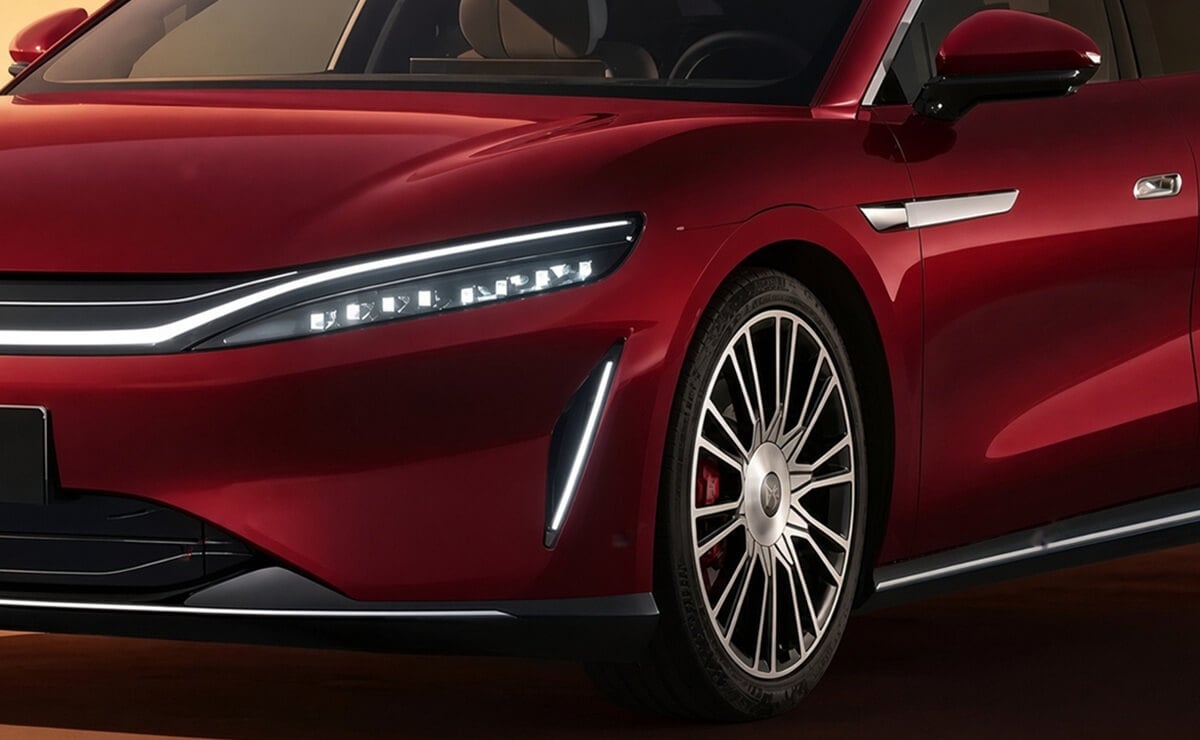
BYD set its new flagship electric sedan, the Da Han EV, for launch in China on October 13, 2026, offering up to 1,008 kilometers of range and a starting price between 235,900 and 275,900 yuan, or roughly $34,495 to $40,338, Auto Test reported. Also known as the Great Han, the model accompanies the Great Tang SUV within the Dynasty series, sharing a strategy to grow in size, technology, and price to compete against models like the Audi A8. The Da Han opened its presale in China on August 21 at the Chengdu Auto Show with prices ranging from 249,900 to 299,900 yuan, or 32,487 to 38,987 euros. Deliveries to customers are scheduled to arrive within the two weeks following the launch.
Architecture and Power Figures
The vehicle rests on a 1,000-volt electrical architecture that feeds an LFP Blade battery of 102.3 kWh capacity, as detailed by OkDiario. According to electrive.com, the lineup includes three pure electric configurations alongside a plug-io hybrid option, with BYD also offering a plug-in hybrid alternative in China featuring a 1.5-liter turbo gasoline engine paired with an electric motor. The entry and mid-tier variants feature a single rear motor delivering 503 horsepower and 500 Nm of torque. Motor.es noted that the top-tier dual-motor all-wheel-drive variant, the 880 km AWD Flagship, generates 775 horsepower and 910 Nm of torque, pushing the sedan from zero to 100 km/h in 3.3 seconds with a top speed of 270 km/h. The entry-level LiDAR Premium variant features rear-wheel drive and reaches 1,008 km of range under the CLTC cycle, while the dual-motor all-wheel-drive version delivers an 880 km range on the CLTC cycle. The vehicle’s curb weight ranges between 2.2 and 2.5 tons.

Rear-Wheel Steering Helps Manage the Five-Meter Frame
Híbridos y Eléctricos reported that the Da Han measures 5,256 mm in length, 1,999 mm in width, and 1,510 mm in height, with a 3,130 mm wheelbase. The design yields a drag coefficient of 0.197 Cd. To manage tight urban spaces despite its five-meter frame, the vehicle includes rear-wheel steering that brings the turning radius down to 4.95 meters, alongside a DiSus-A dual-chamber air suspension system. The model’s dimensions place it well above conventional models such as the Toyota Corolla, Nissan Sentra, and Volkswagen Vento/Jetta, prioritizing rear passenger space for chauffeured use in the Chinese market. The exterior features a closed front end, a smooth roofline, 20- or 21-inch wheels, and a contrast-color roof housing a LiDAR sensor in the front center.
New Cabin Features Aim to Revitalize Han Sales
Inside the cabin, the model equips a 17.3-inch floating central screen running DiLink 300 software, paired with a 31-speaker Devialet 7.1.4 audio system, Nappa leather upholstery, and zero-gravity front seats. Híbridos y Eléctricos noted that the vehicle serves as a direct successor designed to revitalize the Han family lineup, as sales of the standard Han electric sedan dropped sharply through 2026, falling to 2,997 units delivered in August. The interior also incorporates white ash wood trim, ambient lighting, an active fragrance system, and the God’s Eye 5.0 (DiPilot) driver assistance system. All seats include heating, ventilation, and ten-point massage functions, while the rear features two electric leg rests, a folding screen, and a small table.
