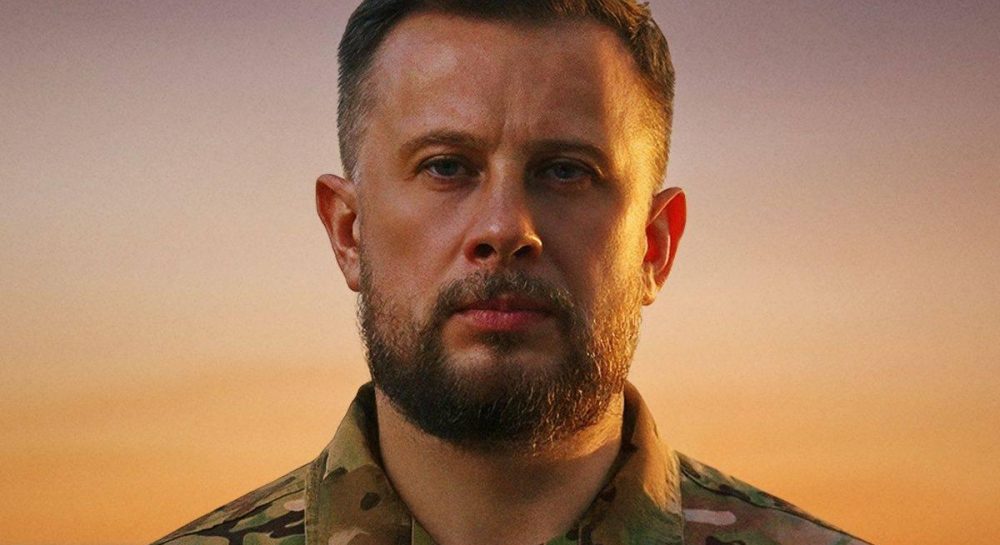
Butusov Warns Donbas Loss Could Force Ukraine into Capitulation and Urges Expanded Role for Biletskyi
He argues that only a strategic reorganization under Third Army Corps commander Andriy Biletsky can stabilize the front.
The Tactical Stakes at the Sloviansk-Kramatorsk Axis
The current military situation in the Donbas has reached a critical juncture. Russian forces are actively storming the Chobitok forest and several high-ground positions situated on the eastern outskirts of Sloviansk. According to Butusov, these geographic features are not merely local objectives; they provide the tactical foundation for the defense of the entire Sloviansk-Kramatorsk agglomeration.
If Ukrainian Defense Forces are compelled to retreat from these positions, the Russian military would secure a significant tactical advantage. This shift would initiate a gradual erosion of the Ukrainian defensive line in the region, ultimately threatening the loss of the broader Donbas territory. The loss of these cities would represent more than a territorial setback; it would fundamentally alter the geopolitical calculus of the conflict.
Geopolitical Pressure and the Threat of Forced Negotiations
Butusov posits that a loss of the Donbas would be leveraged by Russia to exert intense diplomatic pressure on Western allies. He suggests that the defeat would be used as an argument in European and American political circles to demonstrate the futility of further military aid, potentially leading to a sharp reduction in financial and material support for Kyiv.
This pressure, according to the assessment, would be designed to force Ukraine into unfavorable peace negotiations. The narrative of “irreversibility” regarding the war’s outcome is what Russian forces are attempting to establish on the battlefield.
The Proposal for Centralized Command
To counter this momentum, Butusov advocates for a radical restructuring of the command hierarchy in the region. He identifies the Third Army Corps, commanded by Andriy Biletsky, as the only force currently capable of stabilizing the sector. The proposal involves expanding the corps’ operational authority to encompass both the Sloviansk and Kostiantynivka directions.
The reasoning behind this recommendation is rooted in the performance of Biletsky’s units in the Lyman area. Where the Third Army Corps currently holds the line, Russian forces have been unable to achieve significant breakthroughs. Butusov argues that applying the same command structure, drone-warfare organization, and defensive planning to the Sloviansk front would allow for a more cohesive response to the ongoing Russian offensive.
Butusov stated in his assessment that only bringing order to the management and organization on the front will now allow the tide of the battle to be turned, which is currently not unfolding in Ukraine’s favor.
The Logistical Reality of Modern Defense
The reliance on drone units and integrated assault formations has become the standard for modern territorial defense. As the front lines expand, the need for professional oversight in military administration becomes paramount.

A Strategic Outlook on the Coming Year
The military engagement in the Donbas is projected to continue throughout the remainder of 2026 and well into 2027. The ability of the Ukrainian forces to hold their ground depends on the rapid implementation of improved management practices. The focus, according to the provided analysis, must remain on tactical discipline and the effective deployment of reserve forces to the most threatened segments of the line.
As the situation develops, the reliance on transparent, professional military governance will determine whether the current defensive strategy can hold against the ongoing pressure. The outcome of the battles for the eastern heights will define the diplomatic landscape for the foreseeable future.