Bus Crash in Pakistan Claims 40 Lives in Devastating Highway Accident
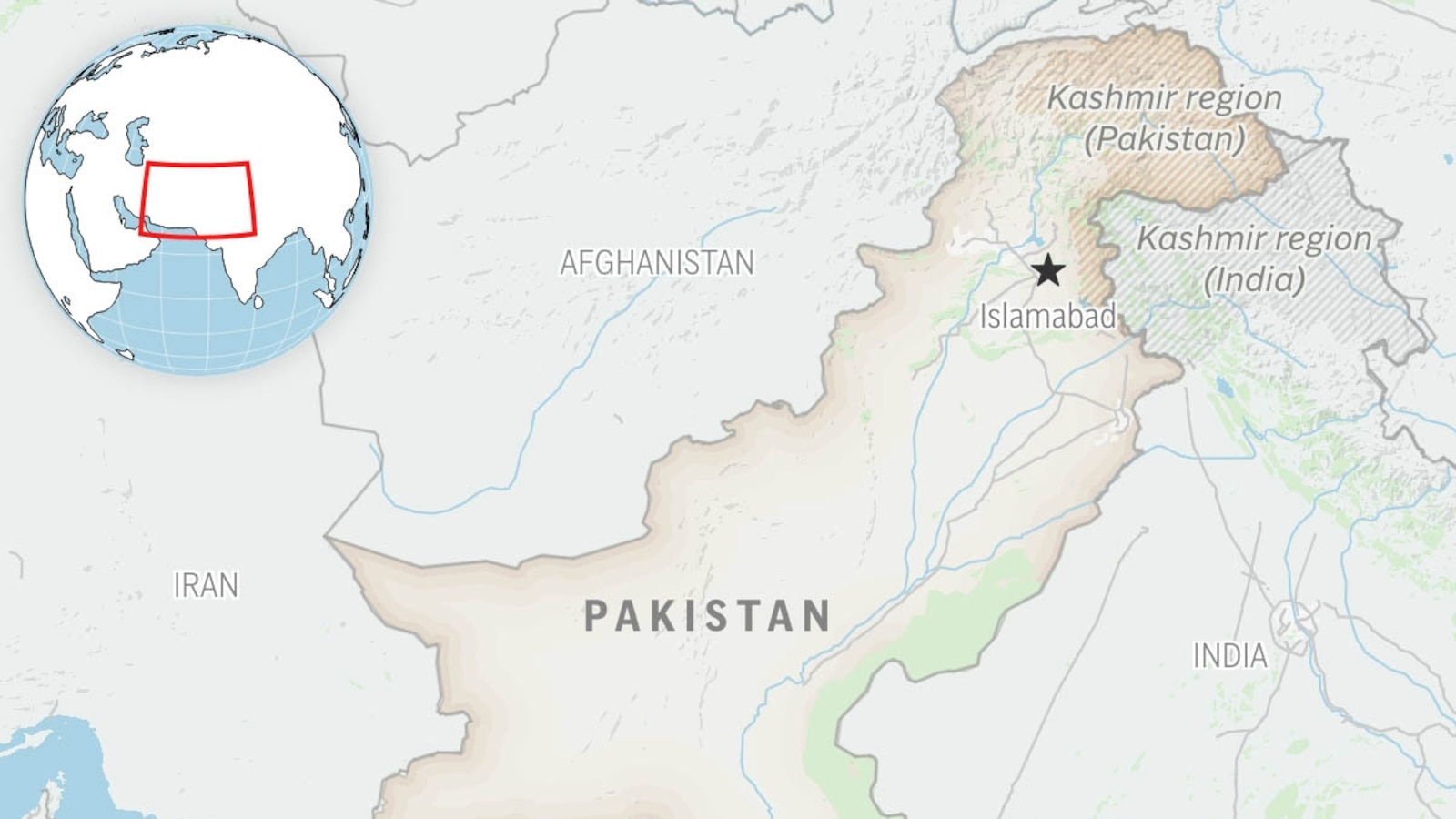
An overcrowded bus plunged from a highway into a ravine in southwestern Pakistan on July 3, 2026, killing 40 passengers and injuring eight, according to local authorities. The crash, which occurred near Nushki in Balochistan province, has renewed scrutiny over the region’s aging transportation infrastructure and safety enforcement. The incident, the deadliest bus accident in Pakistan this year, underscores systemic risks in a country where over 10,000 road fatalities are recorded annually, per the Pakistan Road Safety Council.
The bus, carrying 58 people, reportedly lost control on a mountain pass and tumbled into a 100-meter ravine. Emergency services reached the site within two hours, but 40 bodies were recovered by nightfall. “The vehicle was severely damaged, and many victims were trapped in the wreckage,” said Dr. Ayesha Khan, a field coordinator with the Balochistan Emergency Response Unit. “We’ve mobilized three trauma centers to handle the influx of injured.”
Historical Context and Infrastructure Failures
Balochistan, Pakistan’s largest and least-developed province, has long struggled with inadequate road maintenance and lax enforcement of vehicle safety standards. A 2023 World Bank report highlighted that over 60% of the province’s primary roads are in poor condition, contributing to a 40% higher accident rate compared to national averages. The Nushki region, a key transit corridor for trade between Pakistan and Afghanistan, sees heavy traffic from overloaded trucks and buses, many of which exceed legal weight limits.

“This isn’t an isolated incident,” said Dr. Imran Farooq, a transportation economist at the University of Karachi. “Balochistan’s roads are a ticking time bomb. The government has allocated funds for upgrades, but implementation has been slow. Corruption and bureaucratic delays have left critical projects unfinished.”
Legal and Political Repercussions
Local lawmakers have called for immediate investigations into the crash, with some demanding the suspension of transport licenses for the bus operator. “We will not tolerate negligence that claims innocent lives,” said Sanaullah Zehri, a provincial assembly member from Nushki. “This tragedy must lead to stricter oversight and accountability.”

The Pakistan Transport Authority (PTA) has launched a probe into the bus’s compliance with safety regulations, including seat capacity and driver licensing. A PTA spokesperson stated, “We are reviewing the vehicle’s records and will take strict action against any violations.” However, critics argue that such measures often come too late. In 2021, a similar accident in Khyber Pakhtunkhwa killed 34 people, yet no major policy changes followed.
Community Impact and Calls for Reform
The crash has left families in Nushki reeling. “My brother was on his way to a job in Quetta,” said Amina Gul, a survivor. “He was the sole provider for his wife and two children. Now, they have nothing.” Local NGOs, including the Balochistan Human Rights Organization, have begun collecting donations for victims’ families, but resources remain limited.
Community leaders are also pushing for long-term solutions. “We need better road signage, regular vehicle inspections, and training for drivers,” said Mir Wazir Khan, a tribal elder. “This isn’t just about fixing roads—it’s about valuing human lives over profit.”
Connecting to the Global Directory: Immediate and Long-Term Solutions
The disaster highlights the urgent need for [Emergency Services] in Balochistan, particularly in rural areas with limited access to trauma care. [Legal Firms] specializing in transportation law are advising families on compensation claims, while [Infrastructure Development Companies] are being urged to prioritize road rehabilitation projects. [Nonprofit Organizations] focused on road safety are also stepping in to lobby for policy reforms.

For businesses and civic groups seeking to address the root causes of such tragedies, the [World Bank’s Infrastructure Development Program] offers funding for road safety initiatives. Meanwhile, [Local Government Agencies] in Balochistan are under pressure to expedite pending infrastructure projects, including the Nushki-Pishin highway upgrade, which was delayed for over a year due to budget disputes.
What Happens Next?
As investigations continue, the focus will shift to preventing future disasters. Experts warn that without systemic changes, similar incidents are likely. “This crash is a wake-up call,” said Dr. Farooq. “Pakistan’s road safety crisis demands immediate action, not just after tragedies strike.”
For those affected, the road to recovery is just beginning. [Counseling Services] are being deployed to support survivors, while [Insurance Providers] are assessing claims. The broader lesson, however, is clear: in a country where roads are both lifelines and death traps, the cost of inaction is measured in human lives.
“We cannot wait for another disaster to act,” said Mir Wazir Khan. “Our children deserve safer roads, and our leaders must deliver.”