Burning Satellites Threaten Ozone Layer Recovery With Aluminum Oxide Particles
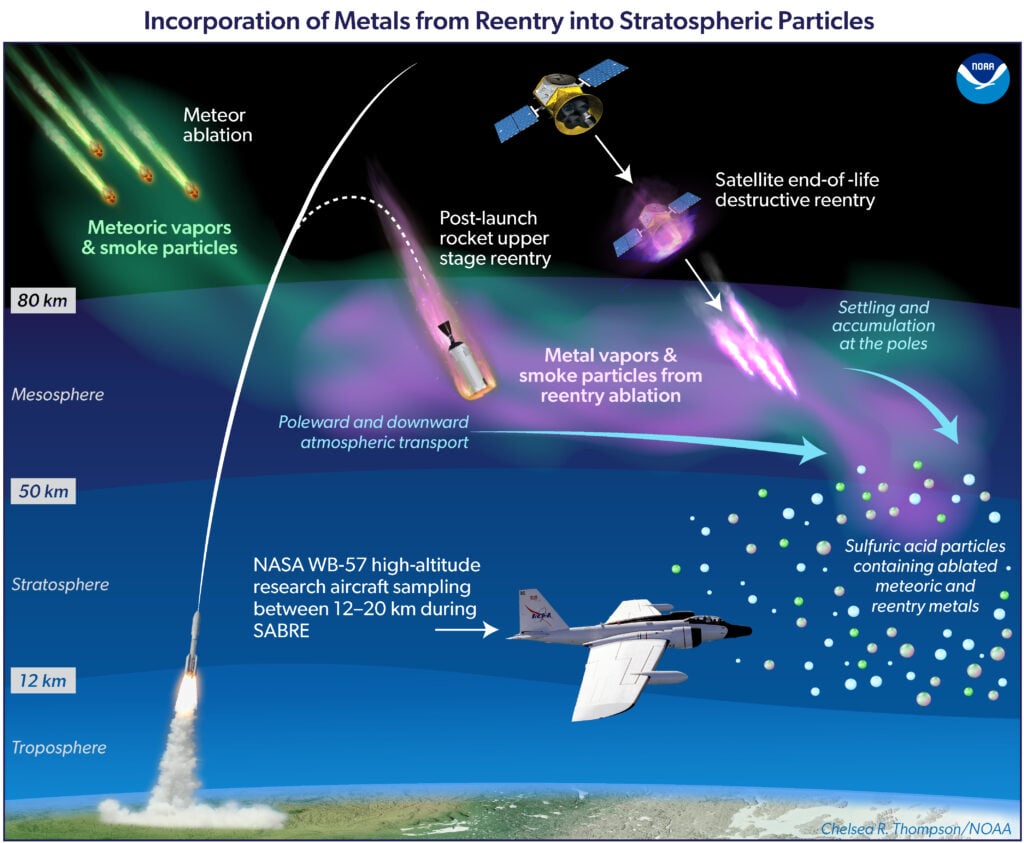
As thousands of aging commercial satellites re-enter Earth’s atmosphere and burn up, they deposit tons of aluminium oxide nanoparticles into the stratosphere, introducing a chemical threat that atmospheric scientists warn could undermine the hard-won recovery of the ozone layer achieved through the Montreal Protocol.
The Tech TL;DR:
- The Core Threat: Re-entering satellites are projected to dump roughly 3,500 tonnes of aerosols annually into the upper atmosphere by 2033, heavily increasing stratospheric aluminum oxide levels.
- Ozone Chemistry: Aluminum oxide particles serve as catalysts for chlorine chemistry, directly threatening the stratospheric ozone shield that blocks destructive ultraviolet radiation.
Decades after international treaties successfully prohibited chlorofluorocarbons to heal the ozone layer, a new orbital hardware crisis is taking shape. According to research cited by Space Daily, the explosive growth of commercial low-Earth orbit mega-constellations like SpaceX’s Starlink, Amazon’s Kuiper, and China’s Guowang means thousands of massive spacecraft are reaching the end of their operational lifecycles and executing controlled or uncontrolled atmospheric descents.
When these satellites strike the upper atmosphere at high velocities, extreme friction causes them to heat up and vaporize. As documented by researchers in The Conversation, this process releases thousands of tonnes of metal oxides and nitrogen oxides directly into high-altitude air columns. With the global active satellite count already exceeding 11,000 across a total orbital population surpassing 28,000 objects, the cumulative physical footprint of these hardware burns is beginning to rival natural meteoritic dust input.
Stratospheric Chemistry and the Return of Ozone Depletion
The danger lies in how these metallic aerosols interact with the stratosphere. Natural atmospheric balance relies on precise gas interactions between 10 and 50 kilometers above Earth. As detailed in historical NASA analyses from the Goddard Space Flight Center, ozone destruction occurs when compounds containing chlorine, bromine, or nitrogen catalyze reactions that strip single oxygen atoms from ozone molecules.

While chlorofluorocarbons were historically the primary culprits—producing long-lasting elemental chlorine that famously carved out the Antarctic ozone hole—the introduction of high volumes of aluminum oxide nanoparticles creates an alternative catalytic surface. Scientists explain that these particles can promote the exact chlorine reactions that destroy ozone molecules, effectively threatening to reopen or sustain depletion cycles just as the atmosphere was recovering from the 1989 Montreal Protocol restrictions.
# Simulated Stratospheric Aerosol Mass Loading
# Data baseline based on projections by academic researchers
year_target = 2033
projected_annual_aerosols_tonnes = 3500
active_satellites_projected = 60000

def evaluate_stratospheric_impact(tonnes, satellites):
    if tonnes > 3000 and satellites > 50000:
        return "CRITICAL: Aluminum oxide particulate threshold exceeds meteoritic baseline."
    return "NOMINAL: Within historical variance limits."

print(evaluate_stratospheric_impact(projected_annual_aerosols_tonnes, active_satellites_projected))
Thermal Balance and the Geoengineering Paradox
The crisis presents a complex atmospheric paradox. Beyond ozone depletion, aluminum oxide particles affect Earth’s thermal energy balance. Because light-colored aerosols reflect incoming solar radiation, some geoengineering proposals have historically considered injecting similar particles into the stratosphere to artificially cool the planet against global warming.

However, turning orbital incineration into an unregulated geoengineering experiment carries severe unknown risks. Uncontrolled release of aluminum and lithium oxides from disposable rocket boosters and satellite hulls alters atmospheric reflectivity and chemistry simultaneously. Without granular empirical data on the full elemental composition of vaporized spacecraft, predicting the net climatic feedback loop remains an ongoing challenge for atmospheric modelers.
As orbital congestion intensifies toward the 2030 projections of over 60,000 total satellites, aerospace operators must balance constellation density with atmospheric stewardship.
Disclaimer: The technical analyses and security protocols detailed in this article are for informational purposes only. Always consult with certified IT and cybersecurity professionals before altering enterprise networks or handling sensitive data.