
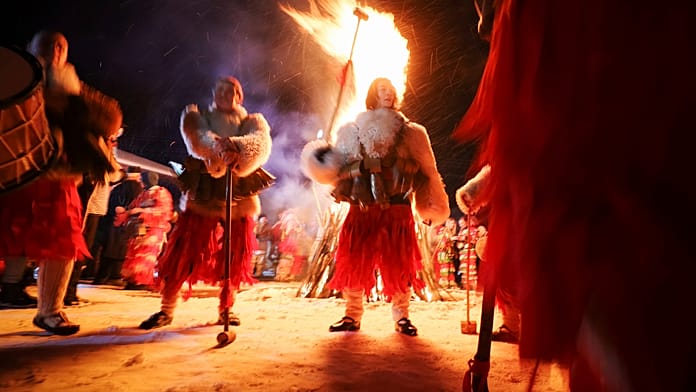
Teh Ancient Bulgarian Ritual of kukeri: Driving Away evil and Welcoming Spring
Each January, Bulgaria transforms as villages erupt with vibrant energy and the rhythmic sounds of bells. This isn’t a typical winter celebration; it’s the age-old tradition of Kukeri, a unique ritual performed by dancers dressed in elaborate costumes meant to scare away evil spirits and usher in a prosperous new year. More than just a performance, Kukeri is a deeply rooted cultural practice with origins stretching back millennia, blending pagan beliefs with christian influences.
Origins and History of Kukeri
The roots of kukeri are complex and debated, tracing back to ancient Thracian and Dionysian rituals honoring the god of fertility. These early celebrations focused on ensuring a bountiful harvest and protecting communities from misfortune. Britannica explains that the tradition likely evolved over centuries, absorbing elements from Slavic mythology and later, orthodox Christianity. The name “Kukeri” itself is believed to derive from the word “kuk,” meaning a type of wooden flute or horn traditionally played during the rituals.
Historically, Kukeri rituals were especially crucial in agricultural communities. The dancers, representing various characters – often including a king, a queen, a jester, and various animal figures – would roam the villages performing symbolic acts designed to cleanse the land and ensure fertility. The costumes and masks weren’t merely decorative; they were believed to embody the spirits themselves, allowing the dancers to act as intermediaries between the human and supernatural worlds.
The Kukeri Costumes: Symbolism and Craftsmanship
Perhaps the most striking aspect of Kukeri is the elaborate and often intimidating costumes. These aren’t store-bought outfits; they are painstakingly crafted by hand,often taking months to complete. Conventional Kukeri costumes are made from natural materials like animal hides, wool, and straw. They are heavily adorned with bells – sometimes numbering in the hundreds – which create a deafening cacophony as the dancers move.
each element of the costume carries symbolic weight:
- Masks: Often depicting fearsome creatures or human faces with exaggerated features, the masks are intended to frighten away evil spirits.
- Bells: The loud ringing of the bells is believed to drive away negative energy and awaken the land from its winter slumber.
- Costume Weight: The sheer weight of the costumes – some can weigh over 20 kilograms (44 pounds) – is symbolic of the burdens and hardships of the past year, which the Kukeri dancers carry away with them.
- Phallic Symbols: Frequently incorporated into the costumes, these symbols represent fertility and the promise of new life.
The craftsmanship involved in creating these costumes is a testament to the dedication and skill of the Kukeri participants. The tradition is often passed down through generations, with families preserving unique designs and techniques.UNESCO recognized Kukeri as an Intangible Cultural Heritage of Humanity in 2021, acknowledging its cultural significance and the importance of preserving this unique tradition.
The Ritual: A Performance of Purification
The Kukeri ritual typically takes place over several days, frequently enough around the Orthodox New Year (January 1st) and the feast day of St. Anthony (January 17th). The dancers move from house to house, performing a series of choreographed movements and dances.They jump, spin, and stomp their feet, creating a mesmerizing and energetic spectacle.
Key elements of the ritual include:
- the Dance: The Kukeri dance is not simply entertainment; it’s a symbolic portrayal of a battle between good and evil.
- The Blessing: The dancers often bestow blessings upon the households they visit, wishing them health, prosperity, and fertility.
- The Purification: The loud noise and energetic movements are believed to cleanse the village of negative energy and prepare it for the coming spring.
- The “Chasing Away” of Evil: The dancers actively “chase away” evil spirits with their costumes, bells, and movements.
In some regions, the ritual culminates in a symbolic “plowing” of the land, representing the hope for a bountiful harvest. The performance isn’t just *for* the villagers; it’s *with* them, a communal effort to ensure a positive future.
Regional Variations and Modern Kukeri
While the core principles of Kukeri remain consistent throughout Bulgaria, there are notable regional variations in costumes, dances, and rituals. Different villages have developed their own unique traditions, reflecting their local history and beliefs. For example, the costumes in the Pernik region are particularly renowned for their elaborate designs and the sheer number of bells used. The International Kukeri Festival in Pernik, held annually in January, is a major event that showcases the diversity of kukeri traditions from across the country and beyond.
Today, Kukeri continues to thrive as a vibrant cultural tradition. While its original purpose was rooted in agricultural beliefs, it now also serves as a source of national pride and a celebration of Bulgarian identity. The tradition is actively preserved by local communities and cultural organizations, ensuring that it will continue to be passed down to future generations.
Key Takeaways
- Kukeri is an ancient Bulgarian ritual performed to drive away evil spirits and welcome the spring.
- The tradition blends pagan beliefs, Slavic mythology, and Orthodox Christianity.
- Kukeri costumes are elaborate, handmade creations with deep symbolic meaning.
- The ritual involves energetic dances, blessings, and a symbolic purification of the village.
- Kukeri is a UNESCO-recognized Intangible Cultural Heritage of Humanity.
Frequently Asked Questions (FAQ)
Q: What is the purpose of the bells in Kukeri costumes?
A: The bells are believed to drive away negative energy and awaken the land from its winter slumber. the loud noise is a key element of the purification ritual.
Q: Is Kukeri a religious tradition?
A: Kukeri has roots in both pagan and Christian beliefs.While it originally stemmed from pre-Christian rituals honoring fertility gods, it has been influenced by Orthodox Christianity over time.
Q: Where can I see Kukeri performances?
A: Kukeri performances take place in villages throughout Bulgaria in January. The International Kukeri Festival in Pernik is a particularly large and notable event.
Q: are Kukeri costumes heavy?
A: Yes, Kukeri costumes can be very heavy, often weighing over 20 kilograms (44 pounds). this weight is symbolic of the burdens of the past year.
Looking ahead, the future of Kukeri appears secure, thanks to the dedication of Bulgarian communities and the recognition it has received from UNESCO. As tourism to Bulgaria grows, more people will have the possibility to witness this extraordinary tradition firsthand, ensuring its continued vitality and inspiring a deeper appreciation for Bulgaria’s rich cultural heritage.
