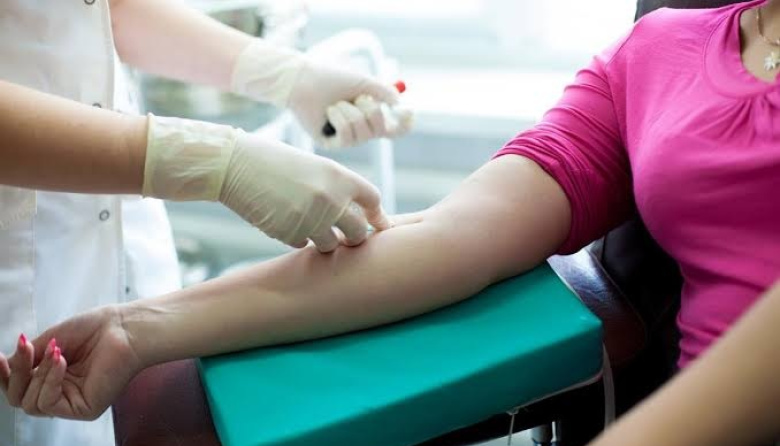
Buenos Aires Province Officials Report Blood Donor Shortage
Public health authorities in the Buenos Aires province face a sharp drop in blood donors, falling significantly short of the daily volume required to sustain hospital operations and emergency transfusions.
- The Centro Regional de Hemoterapia La Plata recorded a daily average of 64 blood donors during September, well below the required 100 to 120 donors per day.
- Seasonal respiratory illnesses, flu symptoms, allergies, and holiday long weekends contributed to a 22 percent year-over-year decrease in donor turnout at the La Plata facility.
- Health officials note that Type 0 positive blood reserves face the most acute shortages, prompting facilities to reschedule non-urgent surgical procedures.
The Ministry of Health in the Buenos Aires province issued warnings regarding a sustained decline in volunteer blood donations across multiple districts. The slump directly impacts surgical schedules, emergency care management, and routine medical treatments throughout the regional healthcare network. At the Centro Regional de Hemoterapia La Plata, September totals reached 1,674 donors across 26 operational days. This figure marks a steep 22 percent drop compared to the 2,150 individuals who donated during the same month in the previous year, leaving the center with a deficit of 476 donors.
Estela Campanaro, head of the donation ward at the La Plata regional center, explained that optimal operations require between 100 and 120 donors per day. Operating at an average of 64 donors daily forces clinicians to lean heavily on external mobile blood drives across the city to buffer the shortfall. Laura González, director of the Instituto de Hemoterapia, emphasized that while reserves have not reached a critical threshold, the ongoing reduction demands a renewed public mobilization to stabilize inventory levels.
Seasonal Infections and Type 0 Positive Shortages Drive Provincial Deficit
Dr. Marcelo Salvarani, head of hemotherapy for Región Sanitaria III, detailed how overlapping seasonal factors accelerated the drop in participation across eight provincial districts. Winter viral circulation, early spring allergy flare-ups, and subsequent temporary deferrals due to fever or malaise suppressed the pool of eligible candidates. Salvarani noted that the strain hits Type 0 positive supplies hardest because it represents the most common blood type in the population and undergoes rapid consumption during clinical interventions.
To preserve sufficient stocks for acute trauma and emergency medical cases, regional hospitals have begun postponing elective, non-urgent surgeries. Salvarani highlighted that approximately 8 to 9 out of 10 individuals will require blood products or derivatives at some point in their lives, meaning regular donation habits must be established rather than reacting solely to emergency family requests.
Health Authorities Update Donor Eligibility and Protocols
Health authorities reiterate that donors must meet specific clinical criteria to ensure safety for both the individual and the transfusion recipient. Eligible donors must fall between the ages of 16 and 65, weigh over 50 kilograms, and present a valid national identity document, passport, or driver’s license. Adolescents aged 16 and over may donate without parental consent following updates to civil regulations.
Contrary to persistent misconceptions, medical teams explicitly advise donors not to arrive in a state of fasting. A confidential pre-donation medical screening evaluates recent medications, surgical procedures, tattoos, and endoscopic exams.

In Junín, volunteers can access the permanent collection center at Pellegrini and Borges from Monday through Friday between 8:00 and 11:00 hours. In La Plata, collection services operate at calle 71 between 26 and 27 from Monday through Friday from 7:00 to 15:00 hours and on Saturdays from 7:00 to 13:00 hours.
Disclaimer: The information provided in this article is for educational and scientific communication purposes only and does not constitute medical advice. Always consult with a qualified healthcare provider regarding any medical condition, diagnosis, or treatment plan.