Buc-ee’s Trademark Lawsuit Against Ohio Mini Mart Sparks Backlash
Texas-based convenience store operator Buc-ee’s Ltd. has sparked widespread consumer backlash and a municipal resolution in Ohio after filing a federal trademark infringement lawsuit against Beaver’s Mini Mart, a small independent shop in Beavercreek, over its beaver logo. The legal conflict, initiated in late July 2026, centers on a commercial rivalry between a massive 74,000-square-foot travel center and a neighborhood convenience store.
For mid-sized retail operators and corporate entities managing regional expansion, aggressive intellectual property enforcement highlights the delicate balance between brand protection and public relations fallout.
The Anatomy of an Ohio Trademark Dispute
The legal confrontation began four months after Buc-ee’s opened its first Ohio location in Huber Heights, situated less than a half-hour drive from Beavercreek. According to federal court filings covered by the Associated Press, Buc-ee’s argues that the local shop’s mascot too closely resembles the corporate chain’s buck-toothed Bucky beaver.
The visual distinction between the two marks remains a central point of public debate. The Buc-ee’s logo features the face of a beaver with prominent front teeth wearing a red ball cap against a yellow backdrop. In contrast, Beaver’s Mini Mart utilizes a full beaver, unclothed, waving, and smiling against a white background, according to AP reporting.
Corporate expansion strategies often trigger friction with local incumbents.
Consumer Backlash and Municipal Response
The litigation quickly transcended the courtroom, generating a notable economic protest. Patrons traveling from multiple states have staged informal boycotts, while the hashtag #boycottbucees trended prominently on X. British comedian John Oliver also addressed the controversy on “Last Week Tonight with John Oliver,” launching a satirical website featuring a squirrel mascot named Mr. Nutterbutter.
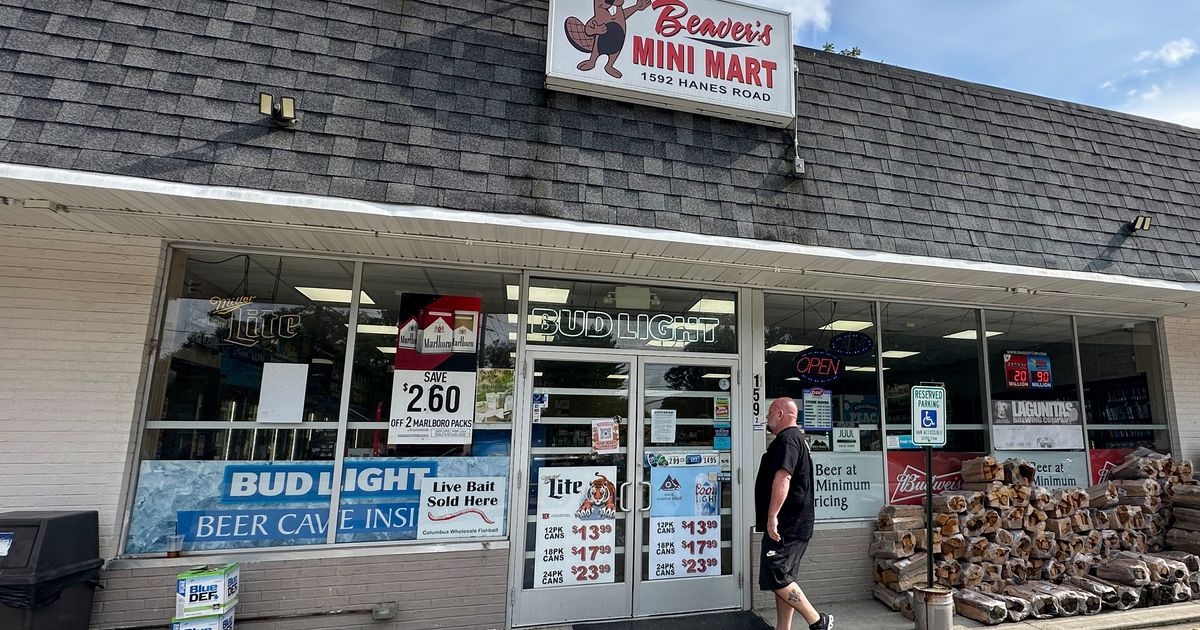
Local government entities have similarly pushed back against the corporate giant. On August 10, 2026, the Beavercreek City Council responded by passing a resolution establishing the beaver as a permanent and official part of the municipality’s history, as documented by the Associated Press.
Public relations crises of this magnitude directly impact foot traffic and brand equity.
Corporate Defense and Timeline of Events
Buc-ee’s has defended the litigation as a necessary measure to protect its valuable commercial identity. In a published corporate statement, the company stated it first identified Beaver’s Mini Mart when owner Vic Boparai filed a trade name registration on October 23. Public records indicate the small business, incorporated in 2017, transitioned its name from Hanes Road Carryout to Beaver’s Mini Mart in January 2025—approximately four months after Buc-ee’s broke ground near Dayton.

The convenience store chain asserted that after recognizing a potential brand conflict, multiple attempts were made to contact Boparai without success, ultimately necessitating federal legal action. Boparai subsequently issued a brief public statement expressing gratitude to the community for supporting small businesses, though the filing itself awaits further scheduling in federal court.
As retail portfolios expand through upcoming fiscal quarters, legal executives face mounting pressure to safeguard intellectual property without provoking regional animosity. Companies seeking to streamline portfolio growth while maintaining operational compliance must continually evaluate their litigation thresholds alongside long-term market valuation objectives.