
BTC gives up gains as WTI crude oil surges over $100 per barrel
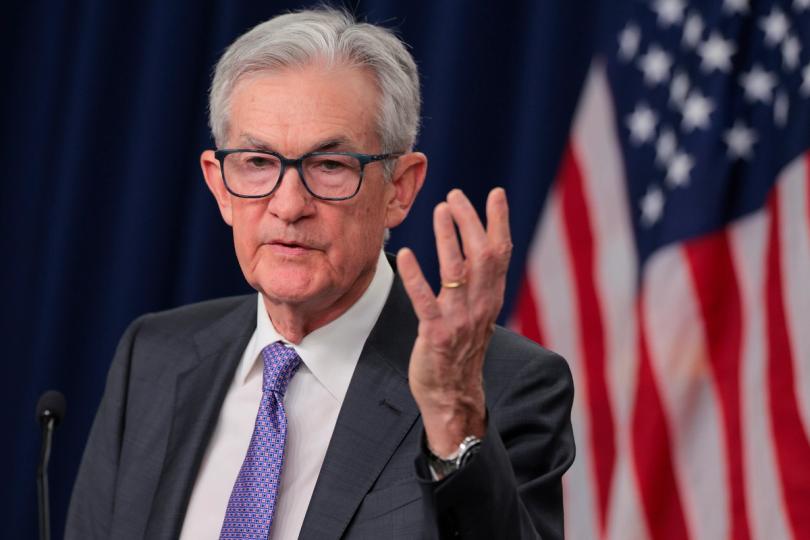
Jerome Powell’s measured response to rising oil prices – currently exceeding $100 per barrel – failed to fully quell market anxieties Monday, triggering a sell-off in U.S. Equities and a reversal of Bitcoin’s earlier gains. The Federal Reserve’s stance, while aiming to avoid overreaction, underscores the complex interplay between geopolitical events, inflation expectations and monetary policy, creating significant volatility for investors and demanding proactive risk management strategies.
The Oil Shock and the Fragile Bond Market
The surge in West Texas Intermediate (WTI) crude, fueled by escalating tensions in the Middle East, is not merely a pricing issue; it’s a systemic risk. WTI closed Monday at $104.78, a level not sustained since 2022, according to data from the U.S. Energy Information Administration (EIA). This isn’t a localized spike. It’s a cascading effect impacting transportation costs, manufacturing input prices, and consumer spending. The bond market, already jittery from concerns about persistent inflation, initially reacted with fear, briefly pricing in a higher probability of a rate hike. However, Powell’s comments at Harvard University – emphasizing a focus on “well-anchored” inflation expectations – provided temporary relief, pushing the 10-year Treasury yield down to 4.35%.
But the reprieve is likely short-lived. The core problem isn’t just the price of oil; it’s the uncertainty surrounding its duration and potential escalation. Supply chain disruptions, already a lingering issue from the pandemic, are being exacerbated by the geopolitical instability. Companies reliant on global logistics are facing increased pressure on EBITDA margins. Those unprepared for this level of volatility will find themselves quickly underwater. This is where strategic financial planning becomes paramount, and businesses are increasingly turning to specialized supply chain risk assessment firms to model potential disruptions and build resilient strategies.
Bitcoin’s Retreat: A Risk-Off Signal
Bitcoin’s inability to sustain its early gains – retreating to around $66,785 – is a clear indicator of a “risk-off” sentiment. While proponents tout Bitcoin as a hedge against inflation, its recent performance suggests it’s behaving more like a speculative tech asset, highly correlated with broader market movements. The crypto market’s sensitivity to macroeconomic factors is increasing, and the current environment of rising oil prices and uncertain monetary policy is creating headwinds. The narrative of Bitcoin as “digital gold” is being challenged, and investors are reassessing its role in a diversified portfolio.
“We’re seeing a flight to safety, and right now, that means cash and short-duration bonds. Bitcoin, while still attracting long-term believers, is being treated as a risk asset and sold off alongside equities.” – Eleanor Vance, Portfolio Manager, BlackRock Global Allocation Fund.
The volatility in the crypto space highlights the demand for robust regulatory frameworks and sophisticated risk management tools. Institutional investors are demanding greater transparency and security before allocating significant capital to digital assets. This demand is driving growth in the cybersecurity and blockchain auditing sectors, as firms seek to mitigate the risks associated with this emerging asset class.
Powell’s Tightrope Walk and the Fed’s Dilemma
Powell’s assertion that the Fed is “not really facing” the oil shock “yet” is a carefully calibrated statement. It acknowledges the potential for inflationary pressures without signaling an immediate policy shift. The CME FedWatch tool currently places the probability of a rate hike in 2026 at just 5%, a dramatic drop from 25% on Friday. However, this doesn’t signify the Fed is complacent. They are closely monitoring inflation expectations and assessing the impact of higher oil prices on economic growth. The central bank is walking a tightrope, attempting to balance the risks of inflation, and recession.
The Impact on Corporate Earnings
The oil price surge is already impacting corporate earnings. Airlines, transportation companies, and manufacturers are facing higher fuel and input costs. Consumer discretionary spending is likely to decline as households allocate more of their income to energy. According to a recent report by Goldman Sachs (Global Economic Outlook), a sustained $10 increase in oil prices could reduce U.S. GDP growth by 0.2 percentage points. Companies are responding by implementing cost-cutting measures, delaying investment plans, and raising prices. This environment favors businesses with strong balance sheets and efficient operations. Those burdened with debt or reliant on volatile supply chains are particularly vulnerable.
The need for proactive financial restructuring is becoming increasingly apparent. Companies facing liquidity challenges are seeking guidance from specialized corporate restructuring advisors to navigate these turbulent times. These firms provide expertise in debt management, operational improvements, and strategic repositioning.
Looking Ahead: Navigating the Uncertainty
The current market environment is characterized by heightened uncertainty and volatility. The combination of geopolitical risks, inflationary pressures, and uncertain monetary policy creates a challenging landscape for investors and businesses. The next fiscal quarter will be critical in determining whether the Fed can successfully navigate this complex situation. A sustained rise in oil prices could force the central bank to reconsider its dovish stance and implement further tightening measures. Conversely, a significant economic slowdown could necessitate a more aggressive easing of monetary policy.
The key takeaway is this: preparation is paramount. Businesses must proactively assess their exposure to risk, develop resilient strategies, and seek expert guidance. The World Today News Directory provides access to a vetted network of B2B partners – from supply chain consultants to cybersecurity experts – to help you navigate these challenging times and position your organization for long-term success. Don’t wait for the storm to hit; fortify your defenses now.