Broken Promises: How the MAHA Movement’s Frustration Helped Democrats Win the Midterms
Midterm Setbacks Test the Political Muscle of the MAHA Movement
Democratic candidates decisively took control of the House and Senate on November 3, 2026, winning seats in Republican strongholds including Texas, Kansas, and South Carolina. Activists within the Make America Healthy Again (MAHA) coalition told Time that frustration over unfulfilled campaign promises led voters aligned with the health movement to sit out the election or back Democrats.
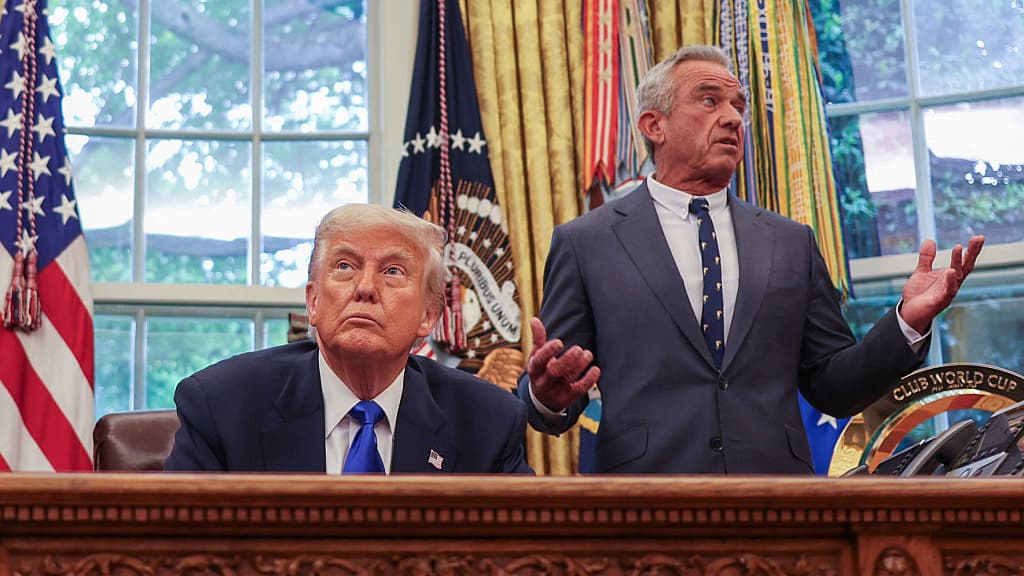
The MAHA movement gained national traction during the 2024 presidential campaign when Robert F. Kennedy Jr. endorsed Donald Trump and integrated his health coalition into the MAGA orbit. Trump subsequently appointed Kennedy to lead the U.S. Department of Health and Human Services. Two years later, a scorecard published by MAHA activists and reported by Yahoo alleged that the Trump administration broke more than 85% of its promises concerning food, agriculture, and environmental health.
Disillusionment Over Pesticides and Broken Pledges
Zen Honeycutt, founder and executive director of Moms Across America, stated that Trump failed to deliver on major campaign commitments regarding chronic illness, autism, and agricultural chemicals. Honeycutt pointed to a February executive order prioritizing U.S. production of glyphosate, a weedkiller linked to cancer by certain studies. The Environmental Protection Agency also approved five pesticide ingredients that environmental groups identify as PFAS, or perfluoroalkyl and polyfluoroalkyl substances.

Dave Murphy, a former fundraiser for Kennedy’s presidential campaign and founder of United We Eat, noted that the administration listened to party lobbyists instead of its base. Murphy helped draft a MAHA scorecard listing 42 administration promises, categorizing zero as kept, 5 as partially fulfilled, and 37 as broken. Former Kennedy campaign speechwriter Charles Eisenstein and former adviser Tiffany Cianci also helped develop the evaluation.
Tensions inside the administration intensified prior to the midterms. Calley Means, a top aide to Kennedy, resigned from his position on October 22, 2026, amid frustrations over neglected priorities such as ultraprocessed foods.
MAHA moms stayed home and it could’ve swayed some of these races that were unbearably close. Should’ve listened to our warnings on protecting glyphosate—but you needed Bayer for the war.
Weighing Electoral Impact Amid Divergent Priorities
Dr. Peter Lurie, president of the Center for Science in the Public Interest, observed that determining the exact electoral impact of MAHA voters requires more specific voting data. However, Lurie suggested the movement’s size means that even a fraction of its supporters could have shifted close contests. Meanwhile, White House spokeswoman Allison Schuster defended the administration’s record, citing overhauled dietary guidelines, actions against artificial food ingredients, and investments in regenerative farming.
Disagreements over vaccines continued to divide the broader coalition. While some members remain deeply skeptical of immunizations, other supporters advocate for their safety and efficacy. Several winning Democratic candidates, including pediatrician Dr. Annie Andrews in South Carolina, campaigned on pro-vaccine platforms. Honeycutt warned that any aggressive Democratic push on immunizations could trigger a strong counter-response from health activists.
The Road Ahead for 2028 and Legislative Realignment
Despite losses among several MAHA-aligned Republican candidates, Honeycutt expressed hope that bipartisan collaboration could yield policy changes under the newly constituted Congress. As politicians look toward the 2028 elections, organizers maintain that the voting bloc will continue pressing for federal accountability on food safety and chemical regulation.