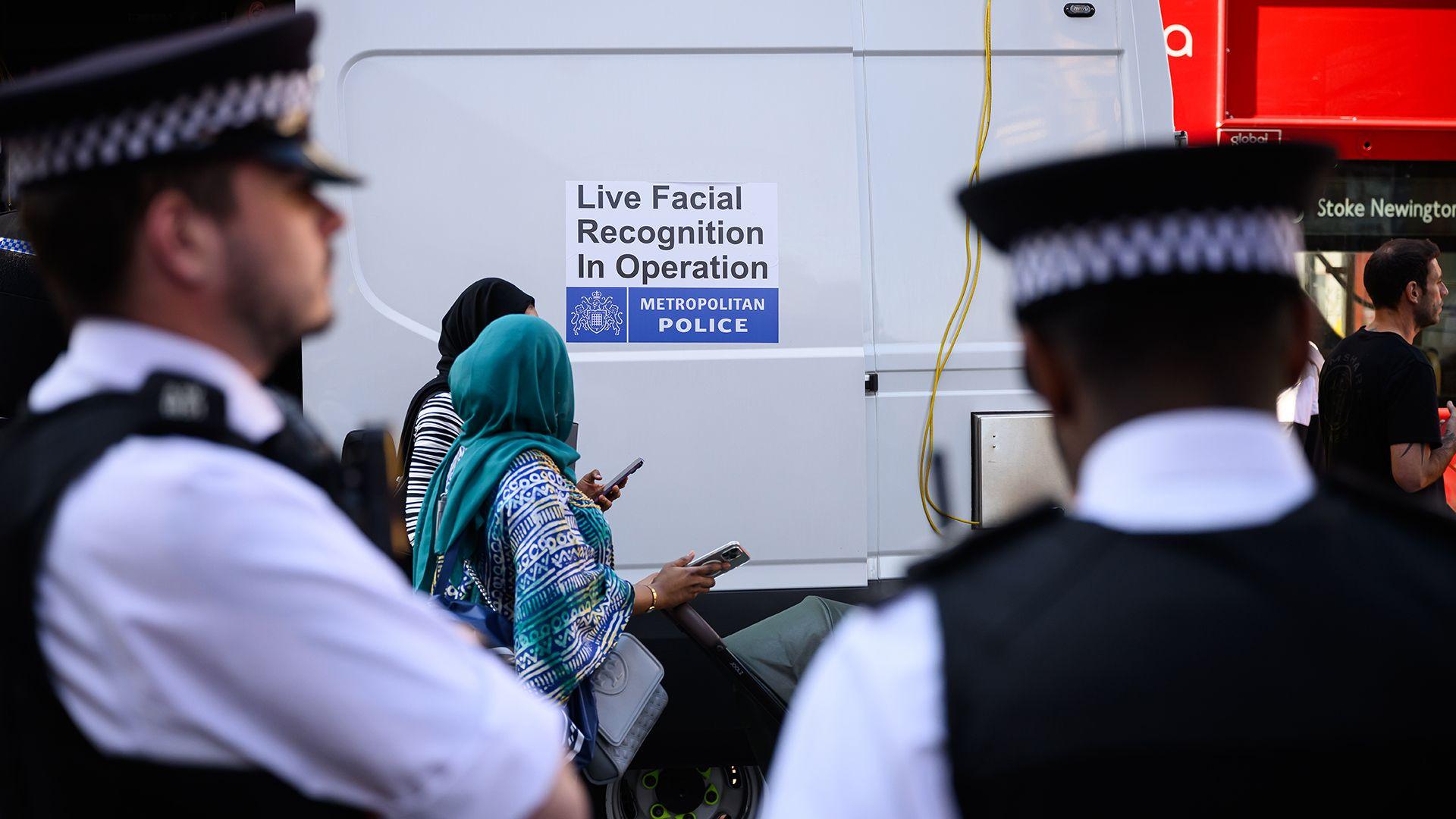
British Transport Police facial recognition trial leads to no arrests
A six-month trial of live facial recognition technology across London railway stations scanned more than half a million faces at a cost exceeding £320,000, resulting in a single false match and no arrests, according to freedom of information documents. Between February and July, the British Transport Police deployed the surveillance equipment across 18 deployments in major transport hubs to target offenders and individuals breaching court orders. Equipment hire and police staffing for the deployments totaled £320,786, while the sole watchlist alert generated during the initial phase proved to be an incorrect identification.
Expansion of the BTP Trial and Subsequent Alerts
Following the initial six-month pilot, the British Transport Police announced an extension of the trial for another four months, alongside an expansion into London Underground stations. Transport for London voiced support for the continued rollout, stating the technology would target individuals on police watchlists at key stations to tackle offenses such as sexual harassment and sexual offences that shape travel behaviors.
Since the extension took effect, the force recorded three positive confirmed alerts involving individuals complying with sexual harm prevention orders or other court-imposed conditions. A British Transport Police spokesperson defended the broader pilot, noting that officers executed associated arrests for offenses including assault, theft, weapons possession, and breaches of criminal behavior orders. Those arrests were excluded from formal live facial recognition performance data because they did not stem directly from a system alert.
Surveillance Oversight and Privacy Concerns
The deployment of live facial recognition has drawn scrutiny from privacy advocates and former oversight officials. Fraser Sampson, a former biometrics and surveillance camera commissioner, stated that police must demonstrate proportionality in deploying the technology. Sampson, now a non-executive director of Facewatch, noted that using surveillance in retail environments differs fundamentally from public transport operations, emphasizing that success for law enforcement requires apprehending suspects.
Data from Liberty Investigates indicates that more than half of police forces in England and Wales have deployed live facial recognition on British streets. The Metropolitan Police and the Mayor of London’s office announced plans to install fixed cameras in the West End, with Mayor Sadiq Khan confirming use on the pedestrianized Oxford Street.

Parliament’s joint committee on human rights recently classified the rollout of live facial recognition as a clear human rights risk, urging the government to introduce a law to address the threat of artificial intelligence to human rights. Bell Ribeiro-Addy, the Labour MP for Clapham and Brixton Hill, called for a suspension of the technology until stronger safeguards are implemented. Meanwhile, the British Transport Police confirmed that watchlist management remains aligned with internal policy as deployments continue.