Breakthroughs in Viral Immunotherapy and Brain Cancer Treatment: Trogenix Study in Nature
Glioblastoma (GBM) has long remained one of the most formidable challenges in clinical oncology, characterized by high morbidity and a relentless tendency for recurrence. New pre-clinical data published in Nature by Trogenix Ltd suggests a potential shift in the treatment paradigm, utilizing engineered genetic constructs to target the exceptionally stem cells that drive tumor growth.
Key Clinical Takeaways:
- A single-dose gene therapy achieved complete tumor elimination in 83% of treated cases in an aggressive brain cancer model.
- The treatment demonstrated no toxicity and zero tumor recurrence over an 11-month observation period.
- Patient dosing in the first human clinical trial for glioblastoma is scheduled to begin in Q2 2026.
The Pathogenesis of Glioblastoma and the Therapeutic Gap
The primary obstacle in treating glioblastoma is the presence of glioblastoma stem cells, which possess a unique transcriptional machinery that allows them to resist standard of care treatments. This resilience often leads to the inevitable recurrence of the tumor, as traditional therapies fail to eradicate these progenitor cells entirely. The clinical gap is not merely a lack of potency, but a lack of precision; therapies often struggle to distinguish between malignant stem cells and healthy neural tissue.
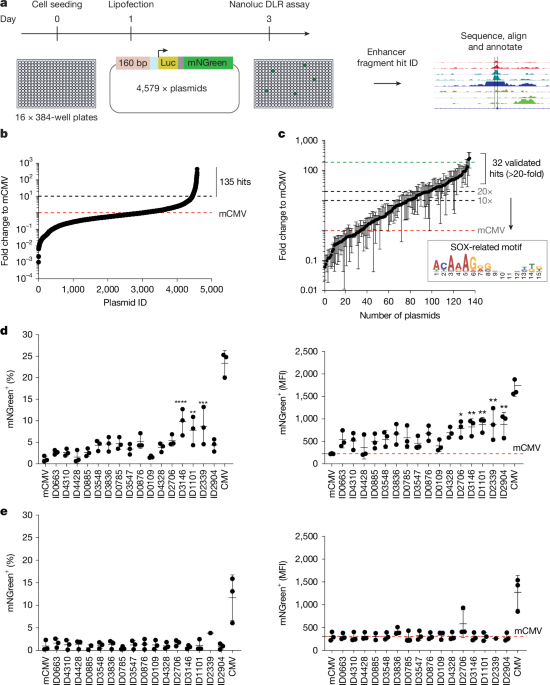
Trogenix Ltd has addressed this by developing Synthetic Super-Enhancers (SSEs). These are not traditional drugs but engineered genetic constructs that function as selective transcriptional switches. By harnessing the tumor’s own internal mechanisms, these SSEs specifically target the SOX2 and SOX9-driven gene networks. Because these networks are highly activated in patient glioblastoma stem cells, the therapy can isolate and attack the most aggressive elements of the cancer while sparing healthy cells.
For patients currently navigating a GBM diagnosis, the complexity of these emerging therapies highlights the necessity of specialized care. It is critical to coordinate treatment through board-certified neuro-oncologists who can integrate cutting-edge genomic insights with traditional surgical and radiological interventions.
Analysis of Pre-clinical Efficacy and Safety
The study, authored by researchers from the University of Edinburgh, UCL Cancer Institute, and The Royal Infirmary of Edinburgh, utilized a state-of-the-art aggressive brain cancer model designed to closely mimic human glioblastoma. The delivery mechanism employed adeno-associated virus (AAV) vectors, a gold standard in gene therapy for their ability to deliver genetic payloads efficiently to target cells.
The Trogenix platform utilizes a dual-payload approach. Rather than relying on a single mechanism of action, the therapy combines direct tumor killing with the activation of the patient’s own immune system. This synergy is designed to create durable protection, preventing the tumor from returning after the initial eradication.
The following data summarizes the outcomes of the pre-clinical model as reported in the Nature publication:
| Clinical Parameter | Pre-clinical Outcome | Clinical Significance |
|---|---|---|
| Tumor Elimination Rate | 83% of treated cases | High proof-of-concept for curative potential |
| Observation Period | 11 Months | Demonstrates long-term stability of response |
| Toxicity Profile | No toxicity observed | Suggests a favorable safety window for human trials |
| Recurrence Rate | 0% recurrence | Indicates durable immunological protection |
| Delivery Method | AAV Vectors (Single Dose) | Reduced burden of repeated invasive procedures |
Transitioning from Bench to Bedside
The publication of this data marks the formal transition of Trogenix Ltd from a research-focused biotech company to a clinical-stage oncology entity. Moving a therapy into human trials requires rigorous adherence to regulatory frameworks and a precise scale-up of manufacturing processes. The company has indicated that patient dosing for its first glioblastoma clinical trial is expected in the second quarter of 2026.

This transition involves significant regulatory hurdles, particularly regarding the safety of viral vectors and the precision of transcriptional switches. As the company moves toward clinical implementation, the need for stringent oversight increases. Many biotech firms in this phase are engaging healthcare compliance attorneys to ensure that trial protocols meet the evolving standards of global health authorities and to manage the complexities of intellectual property and patient safety mandates.
The focus on SOX2 and SOX9 gene networks is particularly noteworthy. By targeting these specific drivers, Trogenix is attempting to bypass the “off-target” effects that often plague immunotherapy, where the immune system attacks healthy tissue. The goal is a precision strike that transforms the tumor’s own growth signals into a trigger for its destruction.
Future Clinical Trajectory
While the pre-clinical results are compelling, the move to human subjects will be the definitive test of the SSE platform. The primary objective of the upcoming Q2 2026 trials will be to determine if the 83% elimination rate observed in models translates to human patients and whether the absence of toxicity holds true across diverse genetic backgrounds.
If successful, this dual-payload gene therapy could redefine the standard of care for GBM, moving the goalpost from palliative management to durable eradication. The integration of immune activation ensures that the body remains vigilant against any residual malignant cells, potentially solving the recurrence problem that has haunted neuro-oncology for decades.
As these therapies move closer to availability, early detection and precise molecular profiling become paramount. Patients and providers should seek out advanced diagnostic centers capable of performing the high-resolution genetic sequencing required to identify the SOX2 and SOX9 expressions that make a patient eligible for such precision immunotherapies.
The transition of Trogenix’s research into the clinic represents a calculated leap in precision medicine. By turning the cancer’s own machinery against itself, we are seeing a shift toward therapies that are not just potent, but intelligent.
Disclaimer: The information provided in this article is for educational and scientific communication purposes only and does not constitute medical advice. Always consult with a qualified healthcare provider regarding any medical condition, diagnosis, or treatment plan.