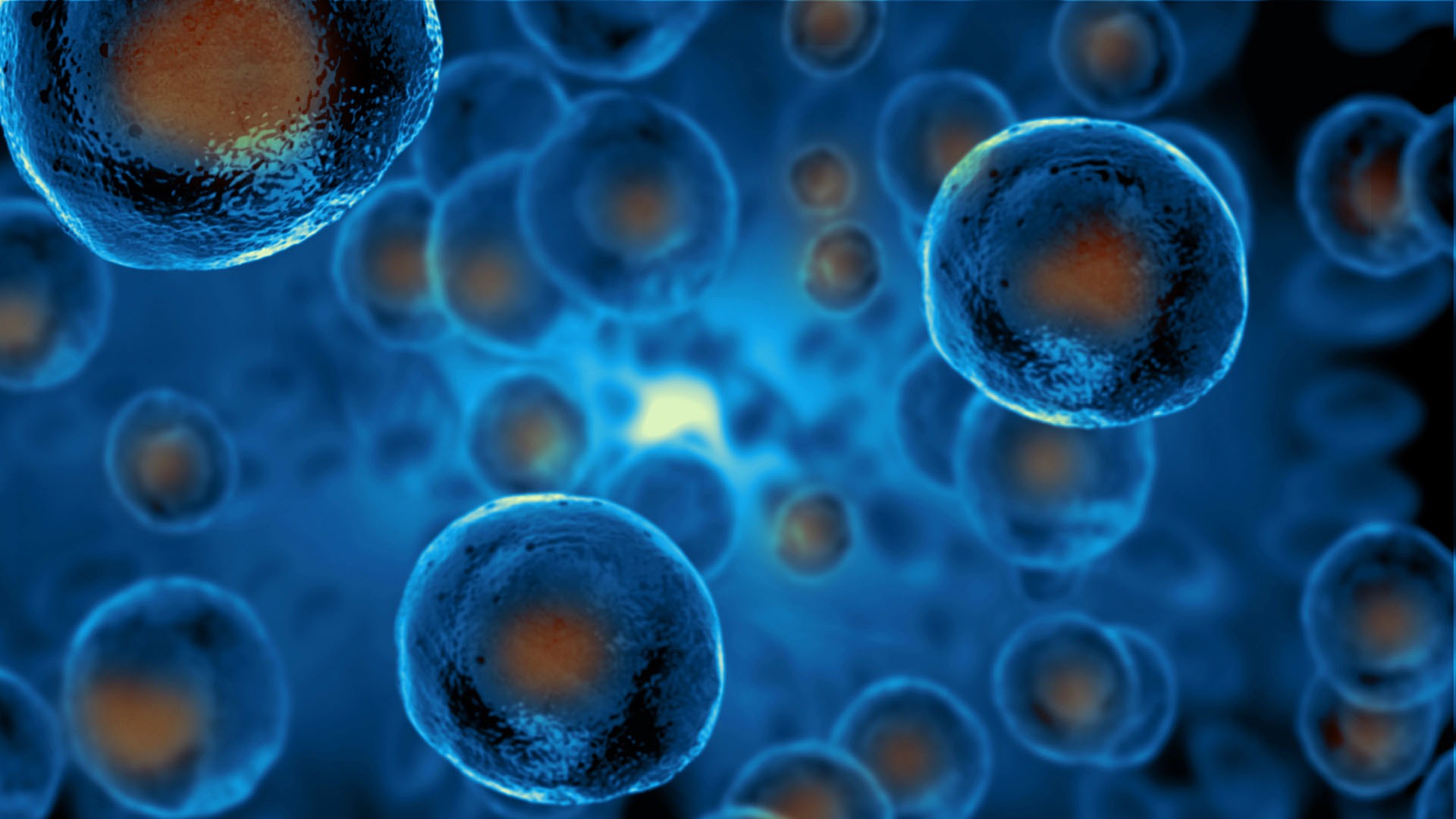
Breakthroughs in Type 1 Diabetes Stem Cell Therapy
Recent advances in stem cell therapy for type 1 diabetes represent a pivotal shift from lifelong insulin dependence toward potential functional cures, with clinical trials now advancing into pivotal Phase II and III stages following promising immunomodulatory and beta-cell regeneration outcomes. This progress addresses a critical unmet need affecting over 8.4 million people globally living with type 1 diabetes, a condition marked by autoimmune destruction of pancreatic beta cells requiring constant glucose monitoring and exogenous insulin administration.
Key Clinical Takeaways:
- Stem cell-derived islet transplants show promise in restoring endogenous insulin production in early-phase trials, reducing hypoglycemic events and insulin requirements.
- Ongoing Phase II trials are evaluating encapsulation technologies to protect transplanted cells from immune attack without lifelong immunosuppression.
- Integration with immunomodulatory therapies aims to prevent recurrent autoimmunity, a key barrier to long-term graft survival in type 1 diabetes.
The latest research highlighted by Forskning.se and Via TT underscores a multi-pronged strategy combining stem cell-derived beta-cell replacement with targeted immunomodulation to reestablish glucose homeostasis. At the Karolinska Institutet, researchers led by Dr. Anna Falk have demonstrated in preclinical models that pancreatic progenitor cells derived from human embryonic stem cells can mature into glucose-responsive insulin-secreting cells when transplanted into diabetic mouse models, achieving normoglycemia for over 200 days in 60% of subjects. This work, published in Nature Medicine, lays the foundation for current human trials.
Building on this, the ongoing clinical trial sponsored by Vertex Pharmaceuticals (VX-880) and funded in part by the Juvenile Diabetes Research Foundation (JDRF) and the National Institutes of Health (NIH) under grant U01DK127755, has enrolled 17 participants across two cohorts receiving varying doses of stem cell-derived islets alongside short-term immunosuppression. Early results presented at the American Diabetes Association’s 83rd Scientific Sessions showed that 63% of high-dose recipients achieved insulin independence within six months, with sustained C-peptide levels indicating endogenous insulin production. Notably, severe hypoglycemic events decreased by 78% compared to baseline.
“We are witnessing a paradigm shift where regenerative medicine meets precision immunomodulation. The goal is not just insulin independence, but durable immune tolerance to prevent graft loss — a challenge that has hindered prior islet transplant efforts.”
A critical barrier remains the host immune response, which can destroy transplanted cells just as it did the native beta cells. To address this, researchers are testing immunoprotective encapsulation devices — such as those developed by Sigilon Therapeutics and Sernova Corp — that physically shield grafts while allowing nutrient and insulin exchange. In a parallel Phase I/II trial (NCT04786262), Sernova’s Cell Pouch™ system combined with allogeneic islets showed measurable C-peptide production in 5 of 6 participants after 12 months, with no graft-related serious adverse events.
Further innovation comes from combining stem cell therapies with antigen-specific immunomodulators like teplizumab (approved by the FDA in 2022 for delaying stage 3 type 1 diabetes in at-risk individuals). A 2023 pilot study in Diabetes Care investigated whether short-course teplizumab could prolong graft survival in a murine transplant model, finding a 40% extension in insulin independence when administered peri-transplant. This synergy is now being explored in a Phase Ib trial at Uppsala University Hospital, where Dr. Erik Lindgren notes:
“Teplizumab’s mechanism of modulating T-cell activation without broad immunosuppression makes it an ideal companion to cell therapy. We’re testing whether this combination can create a niche of immune tolerance that allows stem cell-derived islets to persist long-term.”
These developments carry significant implications for clinical practice and patient quality of life. Children like 7-year-old Nora, featured in NWT’s coverage, who currently require round-the-clock glucose monitoring and parental oversight, could benefit from therapies that reduce hypoglycemia unawareness and alleviate the psychosocial burden of constant disease management. For adults, sustained insulin independence lowers risks of long-term complications including nephropathy, retinopathy, and cardiovascular morbidity.
From a translational standpoint, successful integration of these therapies will require specialized infrastructure. Patients undergoing evaluation for stem cell-based interventions need access to board-certified endocrinologists with expertise in autoimmune diabetes and transplant eligibility assessment. Post-transplant monitoring demands sophisticated metabolic monitoring centers capable of frequent C-peptide assays, continuous glucose tracking, and immune surveillance. Navigating the complex regulatory and reimbursement landscape for advanced therapies necessitates guidance from healthcare compliance attorneys familiar with FDA biologics licensing agreements and EU advanced therapy medicinal product (ATMP) frameworks.
As the field moves toward larger pivotal trials, key questions remain: What is the optimal cell dose for durable engraftment? Can we eliminate systemic immunosuppression entirely through localized tolerance induction? And how will manufacturing scalability and cost-effectiveness impact equitable access? Addressing these will determine whether stem cell therapy transitions from a promising intervention to a widely accessible standard of care for type 1 diabetes.
While challenges persist in scaling production, ensuring long-term safety, and achieving immune tolerance without chronic immunosuppression, the convergence of regenerative biology, immunomodulation, and clinical innovation offers a tangible path toward transforming type 1 diabetes from a lifelong dependency into a potentially reversible condition.
*Disclaimer: The information provided in this article is for educational and scientific communication purposes only and does not constitute medical advice. Always consult with a qualified healthcare provider regarding any medical condition, diagnosis, or treatment plan.*