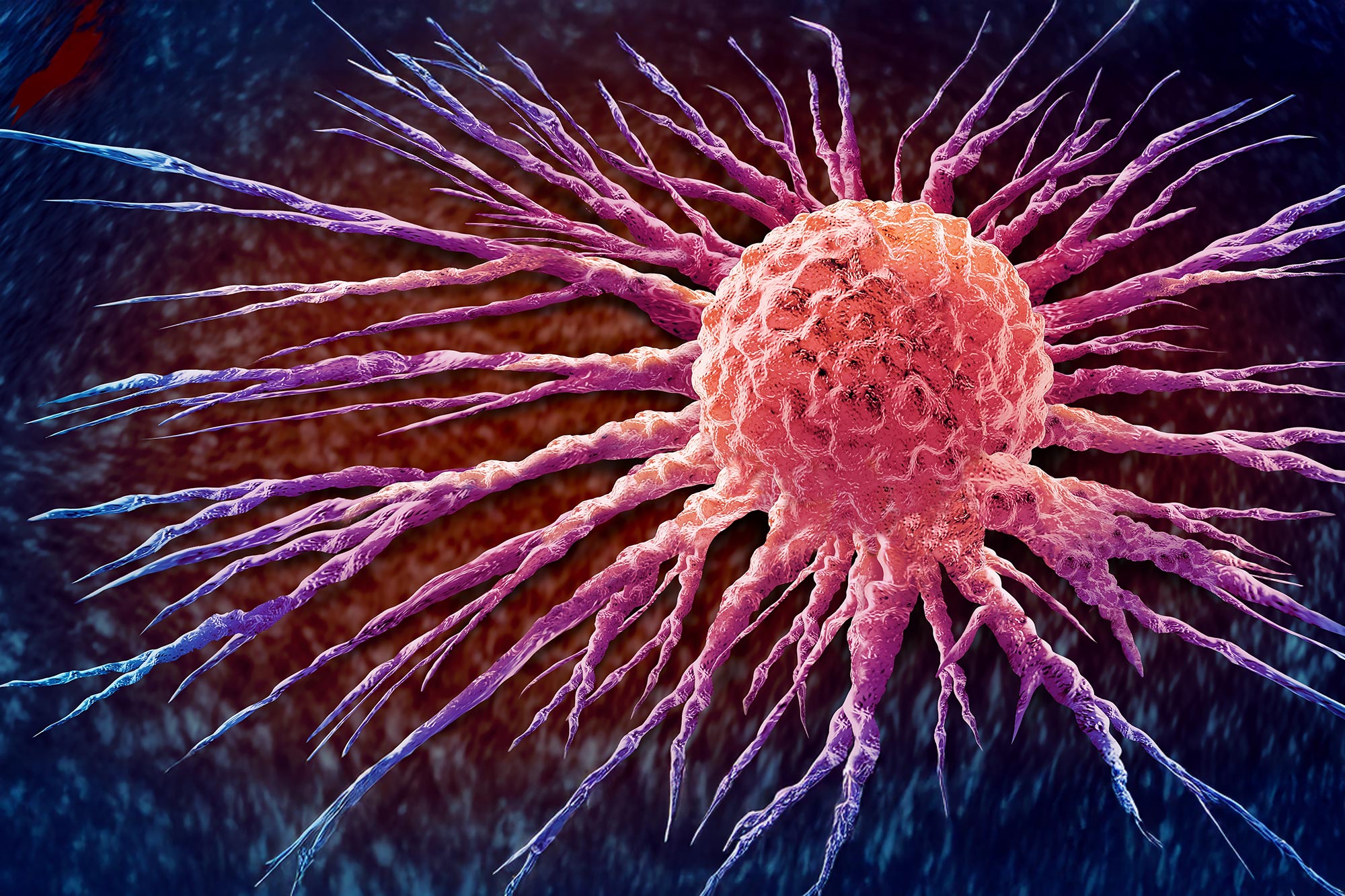
Breakthrough Therapy: Fighting Cancer With Its Own Bacteria
We’ve spent decades trying to brute-force oncology with chemical toxins—essentially running a “delete all” command on rapidly dividing cells and hoping the OS doesn’t crash in the process. The latest shift, as detailed by SciTechDaily, moves away from systemic saturation toward a targeted “payload delivery” system, utilizing the remarkably bacteria that colonize tumors to execute a precise biological strike.
The Tech TL;DR:
- Biological Targeting: Leverages anaerobic bacteria that naturally migrate to hypoxic (oxygen-poor) tumor environments, acting as a living delivery vehicle.
- Reduced Toxicity: By confining the therapeutic action to the tumor site, the “blast radius” of side effects is minimized compared to systemic chemotherapy.
- Programmable Therapy: This approach treats bacteria as biological agents that can be engineered to release toxins or trigger immune responses only upon reaching the target endpoint.
The fundamental bottleneck in cancer treatment has always been the signal-to-noise ratio. Traditional chemotherapy lacks a sophisticated addressing system; it attacks any cell with a high metabolic rate, leading to the systemic instability we recognize as severe side effects. The “breakthrough” here is essentially an architectural pivot. Instead of trying to force a drug into a tumor—which often has a high-pressure interstitial fluid “firewall” that repels external agents—researchers are leveraging the existing “backdoor” used by opportunistic bacteria.
The Biological Architecture: Engineering the Payload
From a systems engineering perspective, the tumor microenvironment is a hostile, low-oxygen (hypoxic) zone. Most aerobic organisms cannot survive here, but anaerobic bacteria thrive. By utilizing these organisms, scientists are effectively creating a “Trojan Horse” deployment. The bacteria serve as the transport layer, while the therapeutic agent—be it a toxin, a cytokine, or a modified protein—serves as the payload.
The real technical lift occurs at the genetic level. To ensure the bacteria don’t trigger a systemic inflammatory response (a biological “kernel panic”), they must be precision-engineered. This involves using synthetic biology tools to create “genetic switches” that only activate the payload when specific environmental triggers—such as low pH or specific metabolite concentrations—are detected. This is not unlike a conditional if/then statement embedded in the bacterial DNA.

Because the genomic mapping and metabolic modeling required for this are computationally intensive, many research labs are now outsourcing their pipeline optimization to specialized bioinformatics consultants to ensure the synthetic circuits are stable and don’t mutate during deployment.
# Mock-up of a Synthetic Biological Logic Circuit for Payload Release class BacterialPayload: def __init__(self, oxygen_level, ph_level, target_biomarker): self.oxygen_level = oxygen_level # Hypoxia threshold self.ph_level = ph_level # Acidity threshold self.target_biomarker = target_biomarker self.payload_deployed = False def evaluate_environment(self): # The 'Logic Gate': Only deploy if conditions match tumor microenvironment if self.oxygen_level < 0.05 and self.ph_level < 6.5: if self.target_biomarker == "TUMOR_SPECIFIC_PROTEIN": self.deploy_payload() else: self.maintain_dormancy() def deploy_payload(self): self.payload_deployed = True print("Status: Target endpoint reached. Releasing therapeutic payload.") def maintain_dormancy(self): self.payload_deployed = False print("Status: Environment mismatch. Payload suppressed to prevent systemic toxicity.") # Simulation: Tumor Environment (Low O2, Low pH) tumor_site = BacterialPayload(oxygen_level=0.02, ph_level=6.2, target_biomarker="TUMOR_SPECIFIC_PROTEIN") tumor_site.evaluate_environment() Tech Stack Comparison: Bacterial Therapy vs. Legacy Modalities
To understand where this fits in the current oncology "stack," we have to compare it against existing high-precision methods like CAR-T cell therapy and traditional small-molecule inhibitors. While CAR-T cells are the "gold standard" for liquid tumors (leukemias), they often struggle to penetrate the dense physical architecture of solid tumors. Bacterial agents, however, are evolved to navigate these exact environments.
| Metric | Traditional Chemotherapy | CAR-T Cell Therapy | Bacterial-Mediated Therapy |
|---|---|---|---|
| Targeting Precision | Low (Systemic) | High (Antigen-Specific) | High (Environment-Specific) |
| Toxicity Profile | High (Off-target) | Moderate (Cytokine Storm) | Low (Localized) |
| Solid Tumor Penetration | Moderate | Low (Physical Barrier) | High (Active Migration) |
| Deployment Complexity | Low (Infusion) | Extreme (Patient-Specific) | Moderate (Engineered Strain) |
"The transition from systemic chemical attack to programmable biological agents represents a paradigm shift in how we view the tumor microenvironment. We are no longer fighting the environment; we are using the environment as the trigger for the cure."
This shift requires a massive increase in data throughput. Sequencing the bacterial genomes and monitoring their behavior in real-time requires an infrastructure that most hospitals simply don't possess. This is driving a surge in demand for high-performance data analytics firms capable of handling proteomic and genomic datasets at scale.
The Latency of Clinical Adoption
Despite the elegance of the architecture, the path to production (clinical approval) is fraught with "edge cases." The primary concern is the immune system's response to the bacterial vector. If the body recognizes the delivery vehicle too quickly, the payload is neutralized before it reaches the endpoint. Conversely, if the bacteria replicate too aggressively, they could induce sepsis.

Solving this requires a "versioning" approach to the bacteria. Early iterations focused on attenuation (weakening the bacteria), but the current "build" focuses on strict control circuits. The goal is to create a "kill switch"—a secondary genetic trigger that allows clinicians to terminate the bacterial population instantly using a specific antibiotic if the system becomes unstable.
For the enterprise healthcare provider, the implementation of these therapies will necessitate a complete overhaul of pharmacy and administration protocols. We are moving toward a world where "drugs" are actually living software, requiring specialized storage and handling that mirrors the requirements of high-end server hardware more than traditional medicine.
As we move toward a future of programmable medicine, the line between biotechnology and software engineering will continue to blur. The ability to treat a tumor as a targetable endpoint in a biological network is the ultimate expression of the "code-first" mentality. Those who can master the biological compiler will define the next era of human health, likely supported by the same custom software development agencies that currently build our most complex AI architectures.
*Disclaimer: The technical analyses and security protocols detailed in this article are for informational purposes only. Always consult with certified IT and cybersecurity professionals before altering enterprise networks or handling sensitive data.*