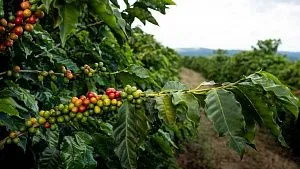
Brazil’s Coffee: A Tradition of Quality
Brazil maintains its position as the world’s leading coffee producer, leveraging a combination of favorable climate conditions and long-standing agricultural traditions to supply approximately one-third of the global market. The country’s coffee sector, which spans major producing states like Minas Gerais, Espírito Santo, and São Paulo, relies on a diverse infrastructure ranging from small-scale family farms to large, mechanized plantations.
Agricultural Infrastructure and Production Standards
According to data from the Brazilian Ministry of Agriculture and Livestock, the country’s output is driven by two primary species: Coffea arabica and Coffea canephora (conilon). Arabica production is concentrated in higher-altitude regions, where the specific microclimates contribute to the bean’s flavor profile. Conilon is primarily cultivated in lower-altitude areas, particularly in Espírito Santo, and serves as a major component for both the soluble coffee industry and domestic consumption.
The sector utilizes advanced processing techniques, including natural and semi-washed methods, to ensure quality consistency. Brazilian producers have increasingly adopted "Precision Agriculture," which involves using satellite imagery and soil analysis to optimize water usage and nutrient application. These technical upgrades are designed to mitigate the impact of climate variability while maintaining the yield volumes required by international buyers.
Global Trade and Export Logistics
Brazil remains the largest exporter of coffee globally, with the United States, Germany, and Italy serving as top destinations for its shipments. Institutional support for the industry is coordinated through entities such as the Brazilian Coffee Exporters Council (CECAFE), which tracks export performance and trade barriers.
Market analysts at the International Coffee Organization (ICO) note that Brazil’s influence on global pricing is significant, as any disruption in the country’s harvest cycles often triggers volatility in international commodity exchanges. The industry’s ability to sustain production levels has been tested by recent weather patterns, including periods of drought in the Cerrado region, forcing producers to adapt irrigation strategies to protect crop health.
Sustainability and Certification Initiatives
In response to increasing demand from international markets for sustainable sourcing, Brazilian growers have implemented various certification programs. These initiatives, such as the Rainforest Alliance and Fairtrade, require producers to adhere to strict environmental and labor standards. According to the Brazilian Agricultural Research Corporation (Embrapa), these practices include the protection of native vegetation near water sources and the reduction of chemical inputs.

The focus on sustainability has become a central element of Brazil’s diplomatic and trade strategy. The government continues to promote the "Brazil Coffee" brand at international forums, emphasizing both the scale of production and the ongoing transition toward carbon-neutral agricultural practices. The success of these initiatives remains a subject of review by the European Union’s upcoming deforestation regulations, which will require exporters to provide precise geolocation data for their coffee crops.